My Top 5 of My Own Books
A question I get a lot: Which of your books is your favorite? I usually say “That’s like trying to choose your favorite child.” It’s an impossible question, but it’s also a fair one. Each book requires something different, a little more joy in some ways, a little more work in others. Sweat and tears in different ways that inform the process. So, because of that, there are special nooks and crannies in my heart where stories get placed.
So here are my top 5 books ranked from 5 to 1 and why I put them in this order.
#5 Swimming Sideways.

What it's about: Abby Kaiaulu is hiding a secret that a quick internet search has the power to uncover. Since she’s starting over in a new town, she thinks hiding it is the best option. Except secrets never stay hidden, and when she finds herself in between the It Boy at school, Seth Peters, and the school Freak, Gabe Daniels, Abby discovers she’s at the center of a different secret that will unravel the ordinary world of them all.
This is number 5 on my list because something has to be number 5, right? What I love about it: Abby is Hawaiian. That factor alone makes this story appear in the top 5. I love all of the cultural inclusion. I also love how Abby’s story factors into the other two in this series serving as a catalyst. When I think about the 3 Act structure, Abby’s story is an excellent Act 1.
Why is it number 5? Because I wish I’d been a stronger writer. Abby is great, but I’ve gotten better at writing, character development and narrative structure. I think first books are probably like that for a lot of writers—you see all the ways you can make things better.
#4 The Ugly Truth.
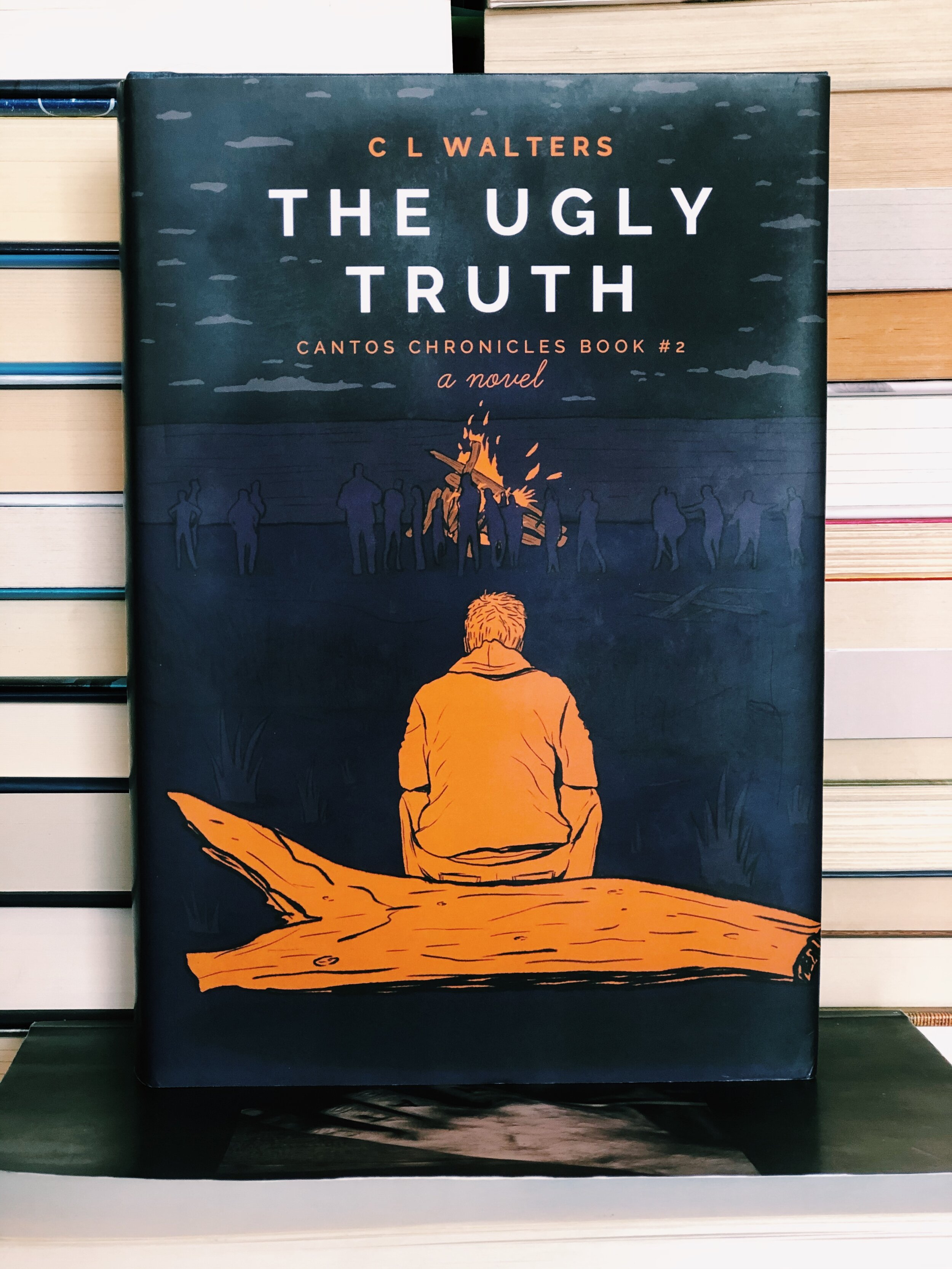
What it’s about: Seth Peters, It Boy at Cantos High School, has been in an accident, or was it? As he fights for his life, he relives the past to make sense of his present, and learns that facing the ugly truth of who we are might be the only way to live an honest future.
This is number 4 on my list because the Cantos Chronicles was always about Seth and Gabe and their friendship. I love how this book sets that up. When I wrote this series, it was always for Seth, which is a weird thing to say. Gabe was always heroic, but Seth wasn’t but I didn’t want him to be a “villain” for the sake of it. I kept thinking about how no one wakes up and thinks: how can I be awful today. There’s always a story. So after writing Swimming Sideways, I wanted to think about why Seth was the way he was. It broke my heart.
#3 The Bones of Who We Are

What it’s about: Gabe Daniels has had a tough life. It got better for a while when he was adopted and had a great best friend, Seth Peters, who understood him. But then it broke apart and he can’t seem to put it back together even with therapy and amazing parents. He’s pretty sure because of the trainwreck his bio-parents started, he was always going to crash. So he walks into the woods with a plan to end it. It’s just that life has other plans…
This was the hardest story I’ve ever written for so many reasons. First of all, the story was so hard. It starts off in a dark place. Second, it moves backward through a timeline which makes it complicated. As a reader we start in the valley with Gabe and as he relives his journey, we vacillate through the highs and lows with him. But I am so freaking proud of this story.
#2 The Stories Stars Tell

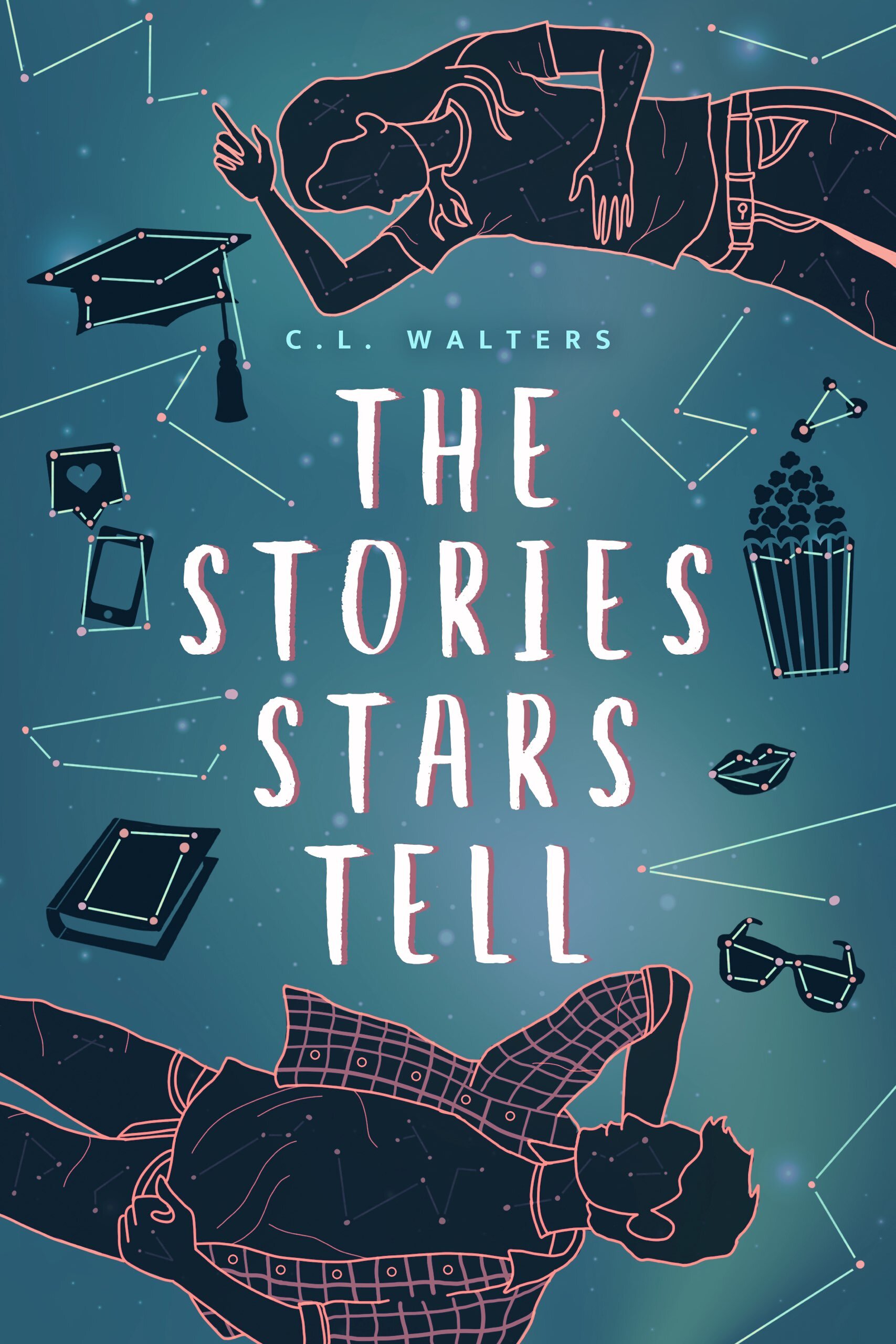
What it’s about: Emma Matthews and Tanner James are each on a journey to redefine who they are based on the boxes they built for themselves in high school. Together, they learn what it means to break down the walls they built to fall in love, to discover who they are, and to decide who they want to be.
If Gabe’s story was one of the most difficult I’ve ever written, this one was the most fun. Emma discovering her own sexual empowerment despite the purity culture message and Tanner discovering his own emotional empowerment despite the toxically masculine culture he’s been living was magical to write. These characters jumped off the page and that was such a fun place to be as a writer.
#1 In the Echo of this Ghost Town

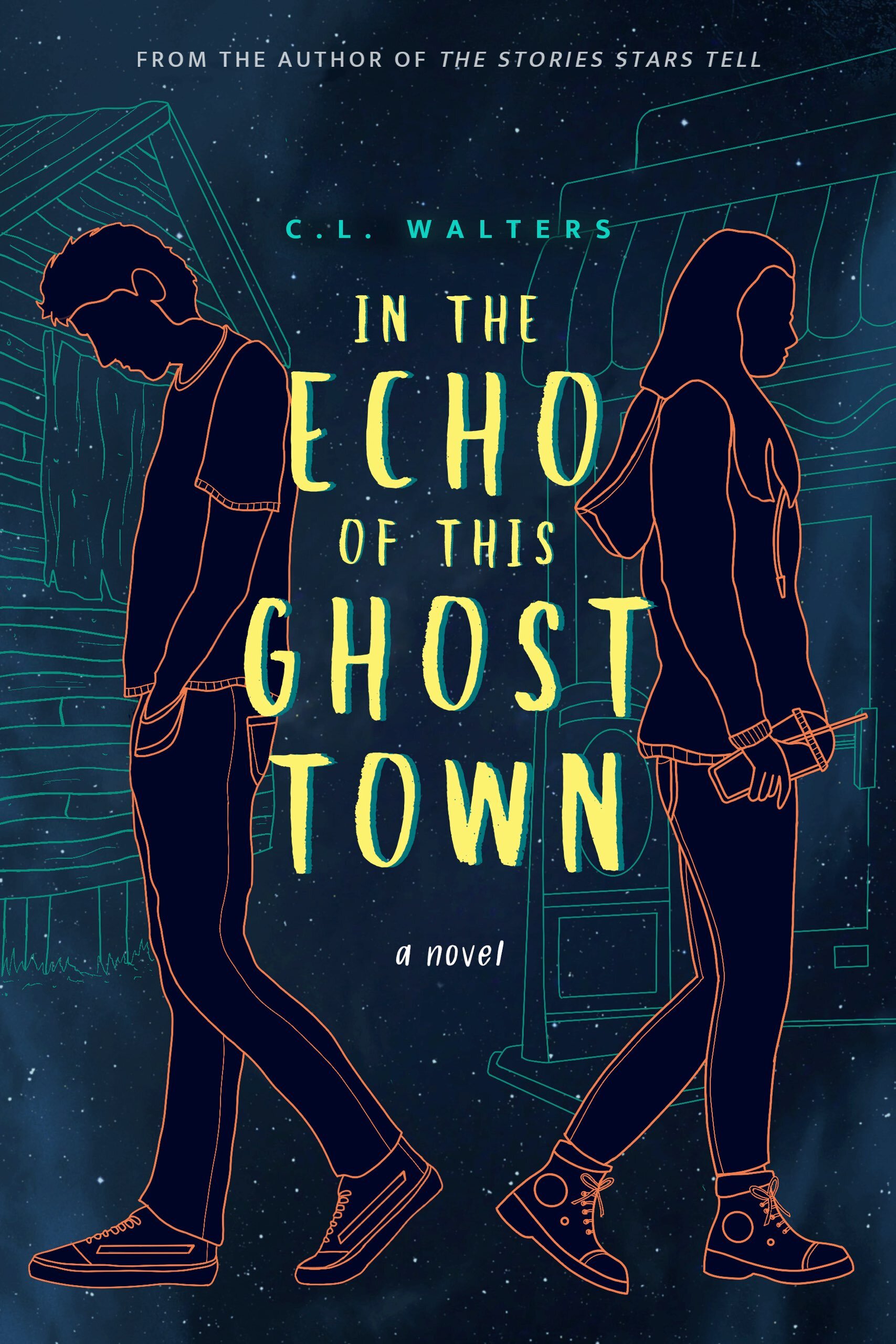
What it’s about: Griffin Nichols has lost everything since graduation, including his friends, but rather than look at himself, he blames everyone else. Until he meets Maxwell Wallace and she holds up a mirror. When Griffin finally begins to look at himself, the truth of who he was and what his choices have been make him realize he needs to decide who he wants to be.
Why it’s number one on my list: It’s the newest release, yes, but I think in terms of my writing, this one demonstrates the most growth. I am so proud of how I was able to take this flat character from The Stories Stars Tell, and create this dynamic character with depth and complexity. Even better, I was able to find all the ways we could like him, when he wasn’t very likeable. I am so proud of this book. When the Echo Answers didn’t make the list because it’s a companion to this story, but I am really proud of Max’s version of events as well.
Road to Echoes: 8 Tips for Using NaNoWriMo to Write Your Novel
National Novel Writing Month, which happens in November every year, is a massive community of creatives using the time like one giant writing sprint. Millions of people start it, thousands of people finish. What sets those who complete it with those who don’t. No idea. This isn’t that kind of post. Instead, I wanted to examine how using NaNoWriMo 2020 helped me to kickstart In the Echo of this Ghost Town which publishes next month (October 12, 2021).

Look, full transparency, I’ve “won” NaNoWriMo four times (and by “won” I just mean met the 50,000 words written in November goal). So far, though, I haven’t published any of those works. In the Echo of this Ghost Town. with be the first. The other 3 projects need so much more work that I have them in the publishing plan queue for the next few years. This is the first time I met the word count goal and used the momentum to finish the book. Interested in learning more about NaNoWriMo books that have been published? Here’s a blog about it and here’s a reel I made.

So how did I do it?
Choose a project
First, I had a project in mind before November even rolled around. I started playing around with Griffin’s story in July 2020. I had a general sense of his character, I had a sense of the conflict and the inciting incident (i.e., the fight with Tanner from The Stories Stars Tell), so when I looked ahead at my schedule, I saw the opportunity to commit to writing forward on the draft in November.
Set an overall goal
The next thing I did was set an overall goal. NaNoWriMo already has a built in goal of 50,000 words for the month. It’s a great milestone to shoot for it you find that motivating. Word counts are cool and I love recording them and seeing the graph climb each day, but it wasn’t the 50K word count I was shooting for, it was a completed first draft of In the Echo of this Ghost Town. So while NaNoWriMo offers a common finish line for everyone, don’t hesitate to set your own goal based on your needs and the best practices within your own process.
Prepared
Next, I started November prepared. How prepared? I had done some heavy lifting on my character work (completed a template I made and use for getting to know characters and explore their motivations as well as character interviews of each of the characters I knew). I had several scenes written, a rough understanding of what I thought the story structure would be, and the ability to identify mini goals to help me move forward. Finally, I did some research. For Griffin’s story this meant looking closer at abandonment and male culture. Was I finished with the research by the time I got started in November? No, but I’d gotten started.
Set a daily goal
Next, to hold myself accountable to the daily grind of writing, I set daily goals. NaNoWriMo does this for us. 1,667 words each day over 30 days to make the 50K mark. So, here’s my truth, I don’t find word counts motivating. Sure, I love watching that graph climb when I enter my word count, but truthfully, when I’m writing to a number, I feel sort of paralyzed and boxed in. What motivates me even more, is making my own visual accountability chart to record and color in my progress filled in with my own personal goals.
As part of my preparation, I set the first week with goals. These goals are related to story and scene work rather than word counts. So for example, the first day, I might identify “Griffin & Mom” as the goal. I know that means I need to work on developing a scene that explores the dynamic between these characters. So I sit down that day and write to complete that scene. As I write forward, I adjust and modify the daily goals as necessary to keep the forward momentum. And because characters always surprise me, I need to leave room for adaptation.
Sat my butt in the seat and wrote
This takes commitment and self-discipline. Again. I love to color in my chart., so there’s that for the discipline. But I also know it can be too easy to be like, “Oh I’ll just I write more tomorrow.” I did that for a lot of years (which I think comes down to not having done the preparation). I DO schedule in a few days of non writing (I.e., my birthday [which falls in November], Thanksgiving and the day before are bonus writing days). Just sit down and write.
Having a finished project as my goal (I.e., Griffin’s story) made it easier. I had an endgame in mind. I had a sense of how to get there. Sitting down everyday to write toward that end didn’t feel so painful.
I am kind to myself
Sometimes there are horrible writing days. There was a day I only wrote 800 words. It felt like every word I typed were droplets of blood oozing through my fingertips. On those days, it is important to be kind to yourself. There are things I try to jumpstart the creativity. Sometimes I change location; sometimes I change medium (I.e., computer to a handwritten journal) , but there are days NOTHING works. Be kind, set a goal for the next day, and give yourself permission to walk away WITHOUT the negativity.
Wrote forward rather than looking backward
It is always tempting to reread what I’ve already written. I try to avoid this unless I need to to get started or reacquaint myself with a specific plot point. But usually I avoid this during NaNoWriMo. Instead, I focus on the daily goal and if I’m not sure I write that into the draft and then keep moving forward. That is what revision is for.
There is one caveat to this: I will reread what I have written each day in order to allow myself the opportunity to flesh out and develop what I started. I tend to underwrite for NaNoWriMo. So I might write an 800 word scene. When I go back through it and add details and find opportunities to add flesh to the page, it becomes clearer (and adds to the word count, obviously).
Celebrated the milestones
Finally, it’s easy to be negative with ourselves. It’s easy to think, “I wasn’t good enough today,” or “I’m not good enough to do this.” I know these thoughts will happen. They happen to all of us, but when you achieve a goal—whether its one you set for a day, or one you set for the week, or one you’ve asked your CP to hold you accountable to meet—celebrate it! A glass of wine, a night out with your friends, whatever it is, celebrate your writing wins!

An example of handwriting to change my perspective and jumpstart the flow when I’m stuck.
Ultimately, NaNoWriMo is a personal endeavor. It isn’t a competition with anyone else but rather a chance to face yourself, which is why I say use your strengths and what you find motivating to get to that finish line! If you’re planning on participating, good luck, and come find me so we can be Nano friends (CL Walters). I’ll be working on the second book of my fantasy and will need all the moral support I can get.
Road to Echoes: 4 Lessons I Learned Writing Maxwell Wallace
I learned a lot about myself writing Maxwell Wallace. I’ve mentioned before that my ability to write female characters has been difficult and why that is (here), but Max is the first female character I’ve written fully formed without having to do much of anything. That was new for me, and I think a testament to the power of who she is as a character. So real. So alive.

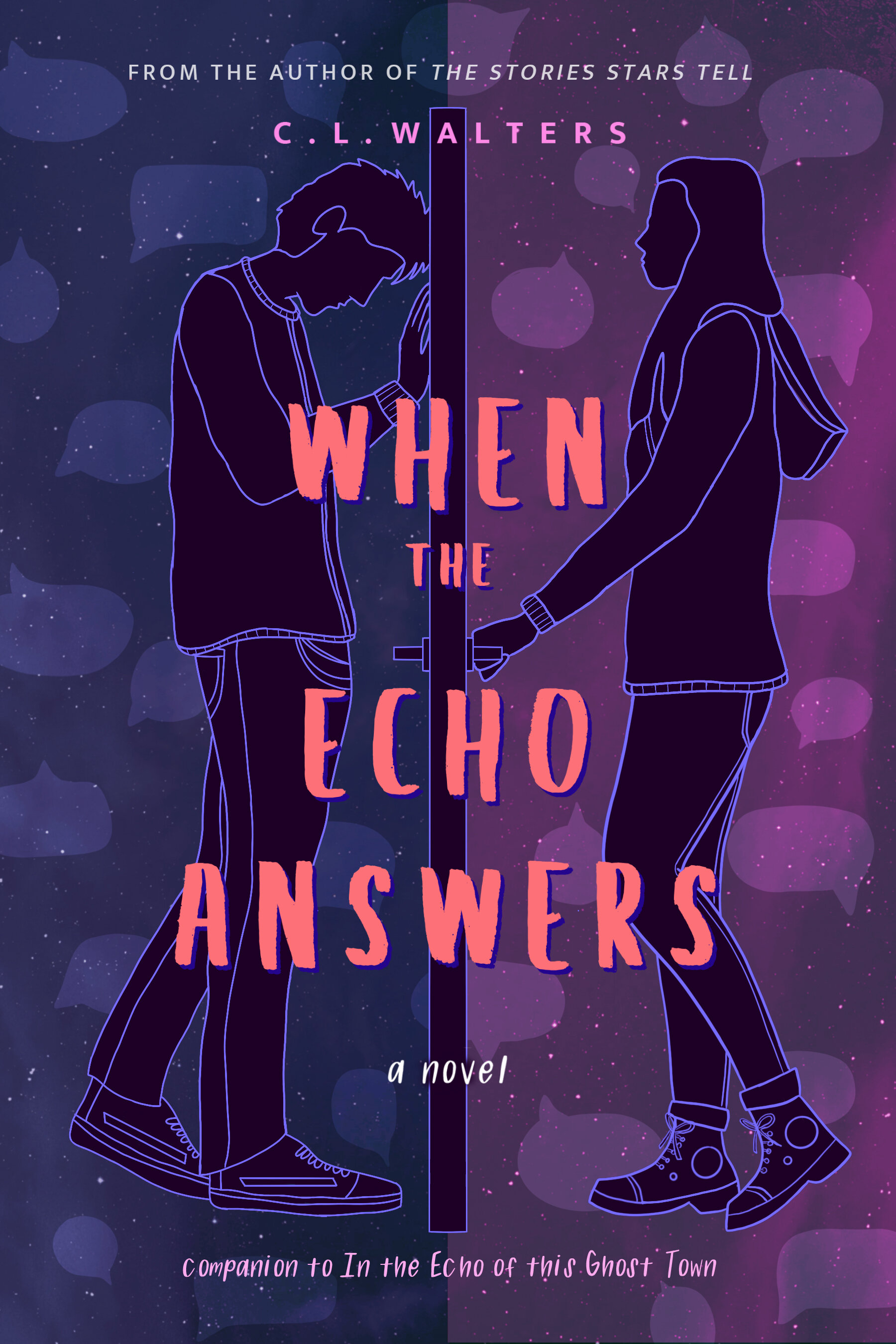
When the Echo Answers is a companion novel to In the Echo of this Ghost Town
In honor of her, here are 4 things I learned from Max while writing this book:
Speak your mind
I grew up with the “be a good girl” lessons rooted in white, patriarchal, Christian home. I’m not disparaging my experience. I had a wonderful childhood with amazing parents and family, but this “good girl” expectation didn’t serve me when I walked out into the world without the safety net of my loving family. My naivety opened doors to major mishaps. If I’d been taught that my voice mattered equally, I wonder how things might have been different.
Cal, Maxwell’s dad, has taught her that her voice matters. That her voice is equal to everyone else and she doesn’t have to be “the good girl” but instead just a smart one. Maybe, on some level, this is the kind of girl I’d wished I’d been. Maybe Max can empower a young woman to find her voice, know her worth, and speak up (even when the expectations are to be a “good girl”). What I would tell that girl: You are still a good girl even when you speak up. SPEAK UP!
Don’t Apologize
Asking forgiveness is a good thing. That’s not what I mean when I say “don’t apologize.” Instead, this is referencing those apologies for existing, for having an opinion, for being different, or using your voice to care for yourself. It goes back to speaking up, but not feeling like your voice matters so you need to somehow disparage it by offering the “I’m sorry…”
Max doesn’t apologize unless she should. Goodness. Cal has taught her that she matters. And as she says in the book, “My father has shown me that everyday.” This!
Be Rude
One of my favorite podcasters—Crime Junkies—say this all the time. “It’s okay to be rude. Be rude. Stay alive.” Max is “rude” but maybe it isn’t so much as rude as assertive, confident, and self-assured. She knows her worth (even if she struggles sometimes, because don’t we all), but the lessons from her father lead her to the path of trusting herself. She says, “One of dad’s lessons: trust your instincts.”
I’ve gotten better at this, especially when it comes to my art. There’s this really great book I HIGHLY RECOMMEND to all creatives and especially women, and for women in general. Women Who Run With the Wolves: Myths and Stories of the Wild Woman Archetype by Clarissa Pinkola Estes, PhD. It’s a dense read, but ultimately, the idea is that as women we have shut down our intuition (due to all sorts of cultural and societal factors), but we need to reconnect to it. It is in our innate knowledge that we find the truth of our identity, our power, ourselves. It’s beautiful.
Don’t Hesitate. Just sit down
In the scene at the beginning when she sits down with Griffin outside the convenience store, Max says, “I leave the confines of the store and approach moody boy like he’s a wild animal in the zoo. Okay, too tentative. I actually just sit down. I don’t do too much with hesitancy and never have. Hesitancy hasn’t gotten me much, and besides, there isn’t time for it. Lessons from my father haven’t been about hanging back or blending into the background.”
I love this.
This lesson has so many applications. Whether it’s putting myself out there as an author with local bookstores, submitting that query to an agent, offering insight on my latest blog, or teaching a webinar, I can’t be hesitant. Sure, there’s a time to ponder and reflect to find the best plan of action, but then it’s time to commit. To step forward. To put myself on the line.
Max does this. I love it. I love her.
I hope you do too.
Road to Echoes: Tropes

Examples of the Love-Triangle trope
Tropes—or the plot-situational cliches found in stories—are unavoidable and don’t equate to “bad writing.” It’s more accurate to recognize that tropes exist because every story has already been written. Tropes are a product of the human condition, or our own journey to understand it, so as readers we cling to these familiar and comfortable constructs. The chosen one trope allows us to explore our own journey, grappling with our own self worth and importance to our own narrative; the authoritarian government who steals freedom trope offers readers a place to wrestle with the constraints in their own lives; the love-triangle trope creates the opportunity to understand our own needs for our own various relationships. The trick for writers is to recognize the trope, discover a way to retell it to make it new again, all while remaining truthful.
In the Echo of this Ghost Town and When the Echo Answers (both available for preorder) are full of familiar tropes. I thought I’d take this blog to explore four of the tropes you’ll find in these two stories, and explore how I tried to twist the device to make it fresh.

The Misfit
As a trope, the misfit (the “I’m not like other girls” or the “I’m so misunderstood”) has been overdone. Is it a surprise that it comes up over and over with YA fiction? Seriously. Didn’t we all feel like we didn’t quite belong as teenagers and were working overtime to try and find our tribe. It isn’t a shock to me to see this one come up over and over. All people, especially teens, are working through their sense of identity in relationship to others. But this trope has worn reader patience thin (I have some theories about this) but guess what, it's in both In the Echo of this Ghost Town and When the Echo Answers.
The good news is that you won’t see the phrases “I’m not like other guys/girls”, or “I’m so misunderstood” in either novel. Rather, the trope is in the circumstances and the emotional baggage of it that both Griffin and Maxwell carry. Griffin’s friends have abandoned him—at least that’s how he sees it—so he’s alone. Not only that, his friends have broken the bro code which makes Griffin see his perspective as the “right one.” On the other hand, Maxwell, by necessity, hasn’t ever had the opportunity to find her tribe. Instead, she’s moved so much with her single dad, that her misfit status has been an act of geography and situation instead of carting around the perceived social stigma. Her understanding of herself has been developed in her relationship with her father and a myriad of temporary relationships she’s had a long way.

2. Friends to Lovers
Friends to lovers is rather obvious. As a trope it hits the mark of realizing that through friendship, stronger and deeper feelings have the potential to develop. A great classic example of this trope is Emma by Jane Austen. I love to write the friends-to-lovers trope, and I suppose it is because it adheres to the nature of relationships in my brain. So in both Ghost Town and the Echo Answers, this trope takes center stage. It is situational to Griffin and Max’s experience. They begin as strangers (more on that later), become proximity acquaintances, develop a tentative camaraderie, until that deepens into friendship and then crosses into love. The journey to that happening in opposition (or reinforcement) to both character’s wants is what is at stake.

3. The Dysfunctional Family & the Absent Parent
A common (and legitimate) complaint about YA books is the “missing family”, the “orphan”, and the “dysfunctional family” tropes that are common in the category. My theory about the pervasiveness of this trope is because there is a need for the protagonist to develop a sense of self. An easy way to put them into a vacuum is to make them an orphan, remove the family, or create a family that is nonexistent in their lives. This choice, however, isn’t consistent with real life. Adults exist in teens’ lives, and they are formative in the development of a teen’s identity. This has created a need in the book category to characterize families (of all kinds). Thankfully, I’ve seen a lot more of this in recent years.
In both Griffin’s and Max’s stories, families are important. While In the Echo of this Ghost Town does explore the idea of a “dysfunctional” family, rather than keeping them removed from Griffin’s life, the story explores how one might rebuild relationships rather than keeping them distant. In Max’s case in When the Echo Answers, her dad, Cal, is integral to her life. He hasn’t been absent and instead has been a wonderful mentor, but Max will have to face the emotional consequences of her mother leaving them when she was a child. My hope, then, wasn’t to keep the family removed, but rather explore the ways these relationships impacted the characters, and then how the characters face these relationships as they form their identities.

4. A Meet-Cute
The Meet-Cute is a common romance trope in which the couple will meet for the first time by being thrown into a “cute” or interesting situation. An example is in the Adam Sandler movie 50 First Dates with Drew Barrymore. The entire movie is based on the idea of a meet-cute over a stack of pancakes. This trope is often a favorite. It’s the idea of being forced into a situation that raises the stakes often with obstacles and allows the protagonist(s) of the story to showcase their personalities.
I wouldn’t call the face-to-face meeting of Griffin and Max so much a meet-cute as I would a meet-weird. Griffin is sulking and Max calls him out on it by calling him a serial killer. They never exchange their names thinking they will never see one another again, but of course another meet-cute occurs, though meet-cute might be too sweet. Maybe a meet-surprise!
So there they are, four tropes you’ll find in my upcoming releases In the Echo of this Ghost Town and the companion novel When the Echo Answers. Are there more? Yes. (One of my favorites: the “there’s only one bed” situation. Hahahaha).
Next Week: When the Echo Answers
The Road to Echoes: Loud Characters
Sometimes there are characters that pop off the page. I call these “loud” characters which perhaps mischaracterizes them. I’m referencing those characters that connect to the audience in a way that in many respects is intangible. But we know people like this, right? People who feel larger than life. Those humans that somehow speak to our hearts without saying a word, or those souls who seem to connect with us in a way that is powerful beyond words. That’s the kind of character I’m referencing.

Tanner in The Stories Stars Tell was like this for me. I had assumed Stars would be Emma’s story (and half of it is), but then Tanner jumped off the page whenever Emma interacted with him, and I wasn’t able to keep him from telling his version of events (and is the reason The Stories Stars Tell became a dual perspective story). It’s also why he’s an important part in Griffin’s story. Tanner is just… is it weird to say that when I think of Tanner my heart does a little dance in my chest? Yeah. Probably. But it’s the truth.
Maxwell in The Echo of this Ghost Town did the same thing. She’s freaking amazing!! Every time I think about her, I grin. She’s strong and opinionated. She’s gutsy but vulnerable. She doesn’t have it all together, but she’s trying to figure it all out. Plus she’s got Cal (who is another of those amazing characters). When she showed up in Griffin’s story (completely unplanned and randomly stopped to talk to Griffin), I did a double-take (just like Griffin). Here’s that scene that took me by surprise:
“Hey.”
I look up at the sound of a voice, grateful to be jerked from the train of my thoughts.
The girl. She’s standing on the other side of the table in her dark t-shirt and cutoff shorts, her back to the gas pumps and road. The light from the store illuminates her, and I think she’s cute, but obviously not all there if she’s talking to a stranger.
“Yeah?”
She sits down with a Slurpee, and I look at it longingly but also wish I had some vodka to spike it with. I conjure Danny’s words from the night before. I’d told him I’m always drunk. What had he said back? “Yeah. Maybe that’s the fucking problem. It’s time to grow up, Griff.” What if I do have a problem? Then I’m annoyed by the stupid thought—of course, I don’t. What the fuck? Can’t this weird girl tell I’m busy sulking?
My face must screw up because she says, “I’m not carrying any diseases.”
I take a sip of my water, not sure what to do about this stranger who’s sat with me at a table outside of Custer’s. I glance to check if someone is playing a joke on me, but all my friends have abandoned me. So yeah, there’s that. I look at her. She’s got a round face, but it’s smooth and pleasant looking. Brownish hair, I think, because it’s pulled back in a bun or something off her face. Black eyeliner. Black T-shirt with the words Def Leppard inside a Union Jack.
She pinches the straw and moves it around the slushy. It squeaks. “Decide I’m not a serial killer?” She smirks, and my eyes are drawn to her blunt black nails at the end of her long fingers holding the red straw.
“Jury’s out.” I look away and take a sip of my water, annoyed but kind of curious.
“Why’s that?”
I shrug. “What if I’m the serial killer?” I can’t look at her, though I’m not sure why. It isn’t like I’m nervous, even if she’s a little unnerving. Why have I said that? The idea of being compared to a killer takes me backward. Griff Nichols, son of a murderer, when I’d been alone, but I’d shed that persona with my crew. I shove the reminder aside.
“It’s a distinct possibility.”
When Maxwell arrived on the page of Griffin’s story with her powerful character voice, I anticipated that I would write another dual perspective tale. So, as is part of my methodology, I took the above scene and wrote it from her perspective:
Ignoring all the lessons my dad has given me that translate to talking to strangers outside of convenience stores in the middle of the night, I leave the confines of the store and approach moody boy like he’s a wild animal in the zoo. Okay, too tentative. I actually just sit down. I don’t do much with hesitancy and never have. Hesitancy hasn’t gotten me much, and besides, there isn’t time for it. Life lessons from my father haven’t been about hanging back or blending into the background. His lessons are, “go after what you want.”
Do I want this boy? Hell no, but I wouldn’t mind helping him smile. Maybe if I pay it forward, I’ll receive it in the future, you know? Like Cassie in fifth grade, who approached my lunch table where I sat alone. She sat down with me.
“Hey,” she’d said and smiled.
I’d smiled back, and it was like kismet.
I channel that moment when I sit down across from wild-animal guy. “Hey.”
He looks at me like I have two heads, his upper lip curling, and his eyebrows scrunching together. He has really nice eyes, a mix up of colors: green, gray, gold, brown. “Yeah?” Even as unattractive as that sneer is, he’s actually cute.
“I’m not carrying any diseases,” I say and draw an incredibly sweet pull of Slurpee through my straw. Strawberry, my favorite, though in a pinch I’ll drink cherry. I hate any other flavor. This delicious goodness is my secret vice. Since I’m always harping my dad about his soda habit, I can’t let him know I’m being a hypocrite with this diabetes slushie.
The guy looks around like someone might be pranking him, which makes me smile around the straw. Then he looks down at his water bottle and swirls it around a little, as if he isn’t sure what’s happening, and the water is the one place where reality exists.
I’m wondering why I haven’t done this before. His reaction is super entertaining. Then again, I don’t know him, and he could be a serial killer in training or something.
I move the straw around in the Slurpee cup so that I can sip up more of the magical unicorn goodness. It squeaks loudly, and I look at the guy. He’s just watching my movements and maybe assessing if I’m safe, which makes me say, “Decide I’m not a serial killer?”
He lifts the water bottle to his mouth, and is it terrible that I think he has a very attractive mouth? God. Upper lip has this beautiful bow shape, and the bottom is full. I imagine he’s probably a good kisser and realize I’m being creepy.
“Jury’s out,” he says.
I like his voice. Full, kind of melodious, like a ballad with one of those amazing kitschy pop riffs, but deep. Not baritone or bass deep. More like a low tenor. I wonder if he sings.
“Why’s that?” I ask.
He shrugs his sharp shoulders under his dark t-shirt. “What if I’m the serial killer?”
“It’s a distinct possibility.” I smirk at my cup.
Max’s voice on the page was so flamboyant and powerful that it was a joy to write scenes for her, but when the narrative of In the Echo of this Ghost Town swelled to 190,000 words, I knew I had to cut, and the easiest answer was to create Max’s own story. That is how When the Echo Answers, as a companion came to be. While there are scenes common to both stories, the narrative is uniquely Max’s because Max was a unique character with her own story to tell.
The Road to Echoes: Putting the Story Together
I don’t know about other authors, but I don’t walk into a draft of a story knowing how the narrative is going to go. I start with skeleton pieces: a random scene, a character, an image I need to explore and understand. Then, as I continue writing, the narrative develops, sort of exploding outward. Another metaphor: It’s like a developing polaroid. I know there’s a story and I’ve snapped a picture, but it’s taking time (and processing) to develop.

When I started drafting In the Echo of this Ghost Town, it started with the fight scene between Tanner and Griffin. This scene is in The Stories Stars Tell, but I rewrote it from Griffin’s perspective. When I’d finished it, I knew I had the beginning of Griffin’s story and a really good question that needed answering: What happens when someone reaches rock bottom?
This pushed me to continue writing. The deeper I got into telling Griffin’s story, however, the more I struggled with him. I knew that structurally, if I were to pick up Griffin’s story as a reader, wading through the darkness with him without any light would be terrible! To combat that, I added Maxwell’s voice. I thought the story would follow a similar pattern to The Stories Stars Tell, dual, alternating perspectives. Pretty early on, however, I knew this wasn’t going to work, Especially when Griffin’s story swelled to 190,000 words.
This meant (besides cutting), I needed to determine how this story was going to fit together.
My other books have varied structures. Swimming Sideways is told chronologically. The Ugly Truth is told with a present timeline of “now” that branches into flashbacks of “before.” The Bones of Who We Are is told backward with a forward dream state thread. The Stories Stars Tell is told mostly chronologically with a few flashbacks peppered in to make sure the relationship and characterization were established. These choices weren’t made beforehand but were sort of born from the organic development of the story, hence the polaroid.
Griffin’s story and Max’s companion story When the Echo Answers weren’t any different. Both are chronological. For Griffin’s journey, however, I broke it up by months. It felt like a natural fit for his story to demonstrate the way someone might be able to change over time.
How do I know this is “right”? I don’t. Not really. To claim it's instinctual isn’t helpful for you, so here’s another tip that might be more concrete and useful. I’ve studied narrative structure for years, so when considering how to tell the story, it’s important for me to use the three act structure and Vogler’s Hero’s Journey work based on the work by Joseph Campbell (some might suggest Save the Cat! which is a great resource as well). For example, many years ago when I was writing The Ugly Truth, I had the story set up chronologically. I couldn’t get the narrative structure to work even though I knew I had the pieces I needed. Using the Hero’s Journey, I plugged in the pieces and realized that the story was out of order, hence the shift to employing the flashbacks interspersed throughout. Being willing to try something different with the structure worked and solidified for me the practice of being willing to let go of how I think it should be for how it is.
Next Week: Character’s that won’t shut up.
The Road to Echoes: Research to Understand Griffin

The picture of this young man is a photo I took from a fragrance ad (I wish I could remember which one. Maybe one of you know?!?). I saw him and thought: He could be a Griffin. I’d love to know who this model is so that I could give him credit.
I write about young men a lot: Seth, Gabe, Tanner, and now Griffin. For some reason I connect to male characters more thoroughly. I have a theory about this. First, I was raised among boys. My sister and I were the only two girls in a family full of boys, and since my younger sister is special needs, my boy cousins were my playmates. This gave me access to boy culture and the inner workings of boy life. A second factor is the patriarchy, and I don’t mean this in a political sense but a cultural one. The boys in my family had full access: sports, attention, time, fun. I remember hearing: “Leave the boys alone. They don’t want you around.” In my formative, childhood mind, this meant that boys must be better than me—a girl— which began the journey of shutting down my femininity (Yes. I know this is tragic; don’t be too worried for me, I’ve spent my adulthood reconnecting). This factor has led to me writing much better male characters than female ones because I have had to rediscover and re-empower the feminine part of me. So there you have my theory about why.
But I can’t say that my personal experience with male culture and my anecdotal understanding meant that I’m equipped to write male nuances. I am still a woman, after all, and we all know how awful lots of men write women. I sure as hell didn’t want to do that. When Griffin’s character insisted that I write his story, I knew I was going to have to fill in some gaps in my knowledge. I needed a better grounding in the why of Bro Code (which is introduced in The Stories Stars Tell).
Why take the time? I have lots of reasons, but ultimately, I think it comes down to being a responsible storyteller. I don’t want anything I write to mischaracterize, nominalize, or misrepresent another group of people.
So to the experts I went… Here’s a list of books I read on the topic.
Boys and Sex: Young Men on Hookups, Love, Porn, Consent, and Navigating the New Masculinity by Peggy Orenstein
The Man They Wanted Me to Be by Jared Yates Sexton
A Better Man: A (Mostly) Serious Letter to My Son by Michael Ian Black
Masterminds and Wingmen: helping Our Boys Cope with Schoolyard Power, Locker-room Tests, Girlfriends, and the New Rules of Boy World by Rosalind Wiseman
Raising Cain: Protecting the Emotional Life of Boys by Dan Kindlon, Ph.D., and Michael Thompson, Ph.D.
There were other topics important to this story that I had to research which I can’t identify here because... spoilers…
Next week: The Story’s Structure — Putting the Narrative Together
The Road to Echoes: Secondary Characters Primer

Available October 12, 2021
Since Griffin was initially so unlikeable in The Stories Stars Tell, I knew I was going to have to balance him out with a cast of secondary characters readers would like. There’s only so much drudgery many of us are willing to take as readers and keep us engaged, so I knew that in order to move through Griffin’s difficult journey, he was going to need some help and some light. Enter, then, the secondary characters. These characters are necessary to support or hinder the protagonist’s growth.
When writing secondary characters, I approach it the same as when I write a protagonist. I dive deep into who they are to learn the details. I want to know everything I can about them to understand how those characters' motives might impact the protagonist. My goal: make them feel alive and real.
With that in mind, here’s the primer on who you’re going to meet when you open In the Echo of this Ghost Town:
Maxwell Wallace—in a sort of meet-cute but it really isn’t—walks into Griffin’s life at his low point and she pushes his buttons. Her humor is something I love about her. Another thing I love about her: she doesn’t take anyone’s crap, especially Griffin’s, which pushes him off balance.
Initially, I thought In the Echo of this Ghost Town would be a dual perspective story like The Stories Stars Tell that would vacillate between Griffin and Max, but well, it didn’t work out that way. I’ll write more about how Maxwell got her own story in a couple of weeks, and the why of how In the Echo of this Ghost Town is structured, but I think this is a great example of how secondary characters can take a narrative and create their own.
Callum “Cal” Wallace, Maxwell’s dad, is so freaking great that I want to meet this man (he has jumped up to Atticus Finch status for me and I might be crushing...hard). This secondary character is a co-mentor to Griffin’s growth. When this story went through beta reads and ARC reads, so many readers have said: I WANT MORE CAL! I completely agree (hmmmm - adult romance possibilities?)
Griffin’s family: Kat, his mom, Jaxon, his dad, and Phoenix, his brother, are very important to Griffin’s journey. They aren’t the healthiest of families having experienced a lot of trauma, but isn’t that the nature of things? People work through their own stuff often side by side, and it isn’t always easy or pretty. Of course, if you have read my work, you know I can’t leave them there, so we’ll see how these three characters push and scrape against Griffin to make him more whole. Head’s up: Phoenix has become a reader favorite, too (possible spin off?)
Bella Noble: We met Bella as a very static character in The Stories Stars Tell. She was hitting on Tanner poolside the last time we saw her on the page. She is back in Griffin’s story, and if you recall, Griffin was hyper focused on “getting with” Bella in The Stories Stars Tell. Now, In the Echo of this Ghost Town, she’s far more fleshed out, an important part of Griffin’s journey, and I’m not sure we’ll like her any better than we did when we first met her. Or—let me drop this here—maybe we will. You’ll have to let me know.
Griffin’s friends (yes! They are back): Tanner, Josh, and Danny are really important to Griffin’s growth. Whether it’s calling him out, pushing his buttons, setting a boundary, or offering support, Griffin’s friends are very important to his growth as a person.

Available now!
So there you have it. The primer. If you are so excited about reading this book and need it ASAP, you have a couple of options. First, read The Stories Stars Tell. It will set you up perfectly for In the Echo of this Ghost Town. Been there and done that? There are review copies available on Reedsy-Discovery if you’re a reviewer. Copies will be on Netgalley in September (that’s only 8 weeks away!), and if you just need the book ASAP and are willing to drop a review, I’ve got some eBook ARC’s available. Send me an email. ;) I also have four other books already published, so The Cantos Chronicles is a great place to start. Swimming Sideways is the first book in that series. Happy reading.
Next week: Researching Male Culture (because… ahem… I’m not male)
The Road to Echoes: Writing Difficult Characters
I had a conversation with my friend Misty early in the drafting stage for In the Echo of this Ghost Town during one of our writing sessions. Note: she’s been a huge advocate for The Stories Stars Tell from the beginning and even featured me in a lovely conversation for her podcast Rainy Day Collective where we discussed purity culture (here’s a link if you’d like to listen to it).
During that writing session she asked what I was working on, and when I revealed I was writing a book about Griffin, she said “What the hell for?!?!” I laughed at the time because I understood her incredulity. Seriously. Griffin was horrible in The Stories Stars Tell. Toxic as toxic can be. Now, I feel warmth in my bones because she’s read In the Echo of this Ghost Town and asked me “I don’t know how you can get me to go from hating a character to loving him. How do you do that?”
I’m not sure. I remember telling her during that same writing session that I was really struggling to develop Griffin because he was so freaking unlikeable. Look, I know this isn’t selling you on his story, but please stick with me. I think you’ll fall in love with Griffin as much as I have. And ultimately, this is a post about how sometimes we have to look closer at those difficult characters.
While I don’t have a magic bullet, here are five things I did to excavate Griffin as a difficult character.
First, I had to let go of my bias. I hated him. In The Stories Stars Tell he was such a jerk and so disrespectful to… well, everyone. There’s a scene in that book that solidified my dislike of Griffin. Tanner wrote a poem about Emma in his notebook, and Griffin makes fun of him for it. Not only did it break my heart for Tanner, but it sealed my dislike and informed every other scene moving forward with Griffin.
I had to use what already existed in The Stories Stars Tell to begin to understand Griffin’s perspective. While these clues were superficial at best, they offered some perspective about Griffin’s world view. For example, Tanner mentions Griffin’s dad being in prison. He also indicates that his older brother has left. There’s a scene when Tanner arrives at Griffin’s house at noon, and Griffin is just getting out of bed. Then there are all of the moments Griffin opens his mouth and tears things apart.
I started with a pivotal moment for both Tanner and Griffin—the fight. It was already drafted from Tanner's perspective, so I changed it to Griffin’s to see what would happen. My understanding of him began to shift. It made me wonder about hitting rock bottom and what would happen to someone who’s lost everything?
Next I had to dig a little deeper. I started with asking questions about his family. Who were his mom and dad and brother? What was their family dynamic, and if the father was in prison, why was he there? How did that impact the family? Griffin? And what about his brother? What would it feel like to think he felt like he’d been abandoned by both his dad and his brother? How might that inform his behavior? His motives? His wants? And if his mom was never around because she was trying to hold the family together financially, how might that impact his teenage perspective? What did Tanner mean to Griffin, and how might the fight have impacted him? This exploration made me begin to see Griffin in a new light, one that made me empathize with—though not excuse—his choices.
Next, because I saw a theme emerging in the character development, I began doing research about male culture, toxic masculinity, and abandonment. I’ll write more about my research in a future post, but for now, I knew I needed to ground myself in being respectful about these topics.
Developing characters is already challenging, but I find it always comes down to the question: why? The more you’re willing to ask that question of your characters, the deeper they will take you into their motives, the roots of their own why. For the author, this only helps writing their stories. Difficult characters are no different, as long as we’re willing to ask those questions. If you’re familiar with The Cantos Chronicles, you know that I’m not a stranger to writing the difficult, morally gray character. Seth from The Ugly Truth was a villain in Swimming Sideways and The Bones of Who We Are. So, I guess I find difficult characters interesting and challenging.
Next time: Writing Secondary Characters
The Road of Echoes: What Inspired Griffin's Story?
I can imagine your incredulity when learning that the hero of my new book was Griffin Nichols, especially if you’ve read The Stories Stars Tell. He is, after all, a villain. Except there was this moment, a single slice of something that gave me pause.
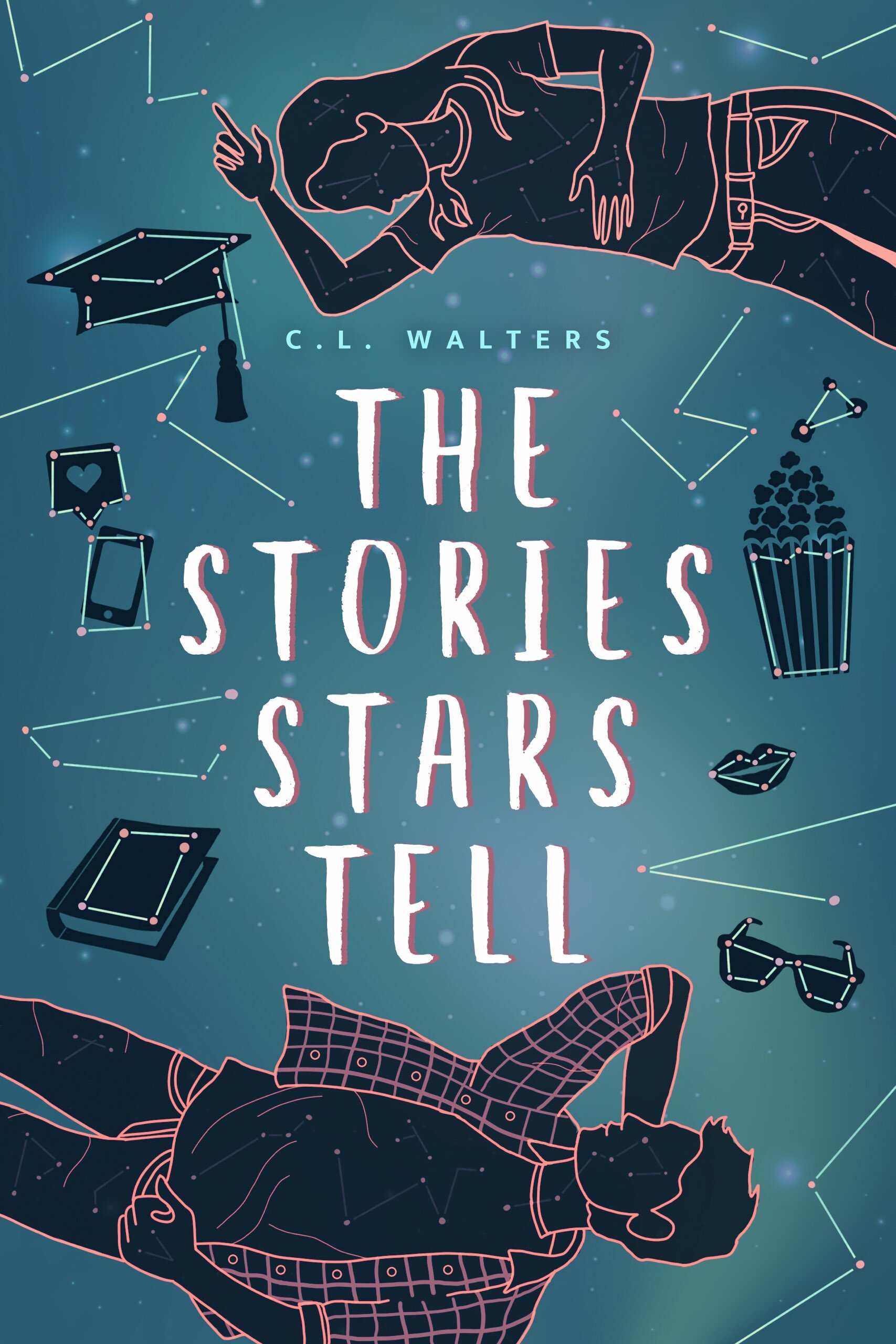
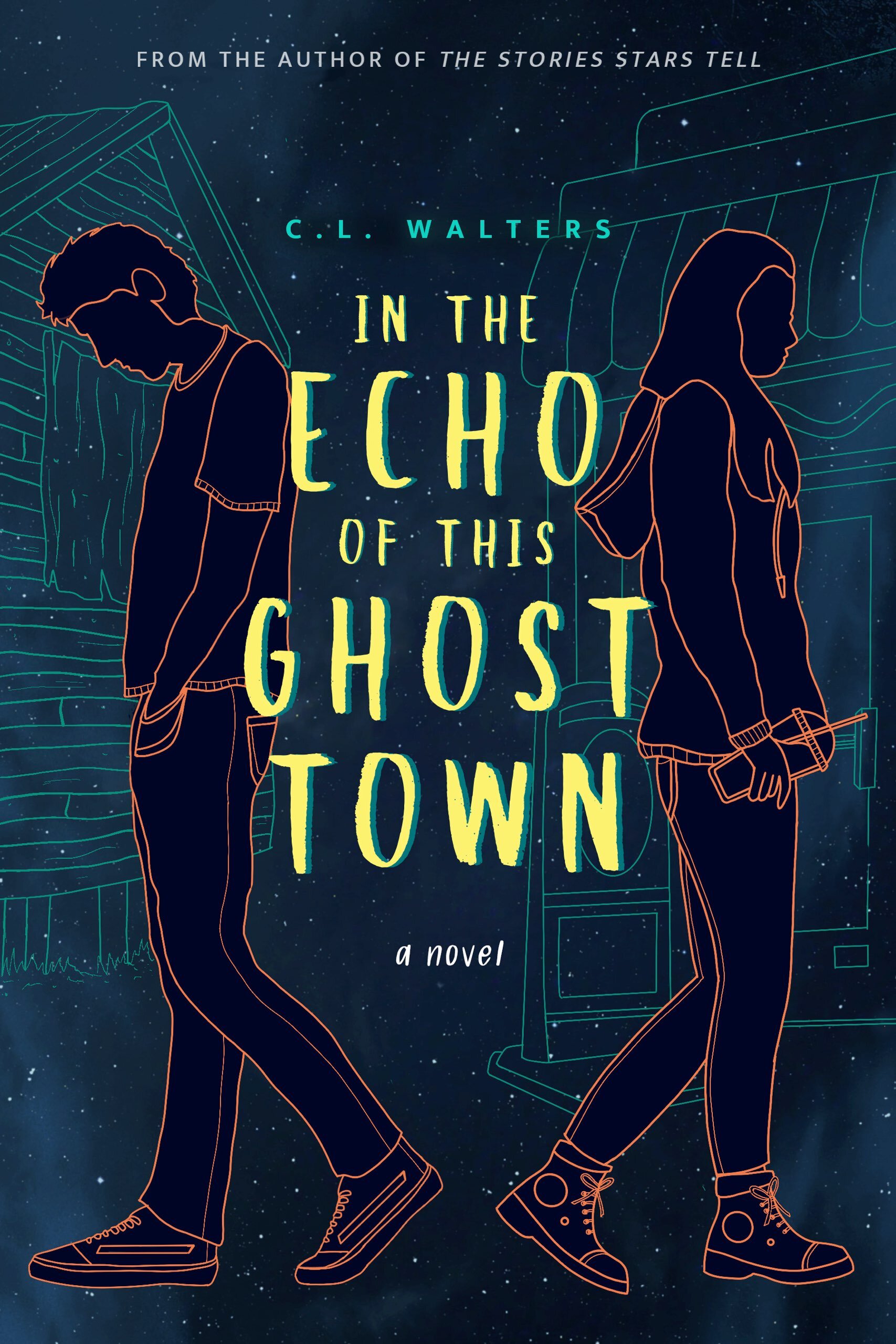
Here. Let me show you. This is a scene from The Stories Stars Tell from Tanner’s point of view. Keep an eye on Griffin (fair warning - lots of strong language):
An hour later, Griff and I are still killing shit with video game remotes from his couch. This feels normal with the stupid, meaningless banter and helps me forget what happened the night before graduation with him, with my mom, with my dad for a little while. The moment I realize it, however, I recognize the truth. Griff makes me forget, helps me run away. This feeling is temporary, because the moment I get back into my truck and drive home, it will all come rushing back.
“Dude! What the fuck. I said to go right!” His phone chimes. He looks at it, sets it down, and resumes playing. “Danny texted there’s a party at the Quarry Friday night. Bonfire. Wanna go?”
I do. I don’t. I think about Emma and wonder if she’d want to go. “Maybe.”
“Fuck, Tanner. You didn’t even show up at Marcus’s. What the fuck is up with you? You’re acting like a bitch.”
“Stop, Griff.” I press the controller and take out a sniper.
Griff’s character moves in front of mine on the screen and uses a wall to shield him from enemy fire. My character is behind his. The character steps out and gets shot.
Then he says, “I’m not the one who’s trailing after smarty-pants like she’s a bitch in heat. I’d never drop my boys for a chick.”
I slam the control onto the table and stand. “Shut the fuck up.” My fists are clenched.
Griff glances at my hands and leans back on the couch. “Why are you being so effin’ sensitive?”
I turn and walk to the door, afraid if I don’t put more distance between him and me, I might throw punches. Pinching the bridge of my nose, I turn around and look at him. “I thought we were friends. You were the closest thing I had to a brother.”
“That hasn’t changed.” He crosses his arms over his chest. The action strikes me as insecure, but I don’t get caught on it, too focused on what is on my mind.
“Yeah. It has.” It’s my turn to cross my arms over my chest. “You’ve been acting like a dick for months.”
“Well if I’d known you’d get your panties in a wad, I would have talked to you more like a lady.” He laughs.
I turn away and slam out of the house.
Did you see that?!?! “...he crosses his arms over his chest…” A moment!!! A flash image of Griffin with a stronger, close-up lens. It was just an obscure line, but I wasn’t the only one who picked up on it. Lavinia (instagram friend @instaraygram), an amazing beta reader and friend, noted after reading The Stories Stars Tell, that she was curious about Griffin. “I feel like there’s a story there,” she’d said. I couldn’t shake her observation. The more I read that line (because I had to read it so many times as I edited), the more curious I became. It was as if Griffin burrowed into my brain.
The truth, however, I didn’t want him there. I was resistant to the idea of writing Griffin’s story because I didn’t like him. How was I ever going to write a story about a character I didn't like? If I didn’t like him, neither would readers. Except there was that moment, that tiny portrait of his insecurity. Then the questions began: Why is Griffin insecure? What is he hiding behind all that douchiness?
And suddenly, I was thinking about answering those questions…
So, thanks to Lavinia, In the Echo of this Ghost Town and When the Echo Answers were born.
Next week: Writing Griffin Nichols
Latest Posts




-
September 2023
- Sep 25, 2023 Tanner's Story: The Bro Code Crew Sep 25, 2023
- Sep 25, 2023 The Thanksgiving Scene: Griffin and Maxwell Sep 25, 2023
-
August 2023
- Aug 13, 2023 In the Echo of this Ghost Town: Facing Fear Aug 13, 2023
- Aug 13, 2023 In the Echo of this Ghost Town: Choices and Consequences Aug 13, 2023
- Aug 13, 2023 A Letter from Maxwell (When the Echo Answers) Aug 13, 2023
- Aug 13, 2023 A Letter from Griffin (In the Echo of this Ghost Town Aug 13, 2023
- Aug 13, 2023 In the Wait: Matt Aug 13, 2023
- Aug 13, 2023 In the Wait: Jack Aug 13, 2023
- Aug 13, 2023 In the Wait: Carter Aug 13, 2023
- Aug 13, 2023 In the Wait: Sara Aug 13, 2023
- Aug 13, 2023 In the Wait: Gabe Aug 13, 2023
- Aug 13, 2023 In the Wait: Abby Aug 13, 2023
- Aug 13, 2023 A Letter from Gabe (The Bones of Who We Are) Aug 13, 2023
- Aug 13, 2023 A Letter from Seth (The Ugly Truth) Aug 13, 2023
- Aug 13, 2023 A Letter from Abby (Swimming Sideways) Aug 13, 2023