My Trek...Journey...Quest to O'ahu Independent Bookstores
I love bookstores. LOVE THEM! It isn’t surprising for a bibliophile and writer, but for this Oʻahu resident—especially one that lives on the south shore—access to bookstores is problematic. With the closure of Borders in 2011, it left Oʻahu with a single, big-chain bookstore, Barnes & Noble located in Honolulu, and a smaller Japanese conglomerate called BookOff. So I decided to go on a trek…a journey… a quest (FYI, this must be said like Peregrin Took from Peter Jackson’s Lord of the Rings, the Fellowship of the Ring) around Oʻahu to look for independent bookstores. There is something magical about walking into an independent bookstore done right. They are imagination bottled between four walls with the possibility of discovering buried treasure.

So before you go on the quest with me, a comment on island living for context. Though everything as the crow flies seems close and the mileage between cities on an island like Oʻahu sounds manageable, the reality of trekking those miles is a production. During peak traffic, for example, to get the 20 miles from my home to Honolulu would take a minimum of an hour, give or take an extra 30 minutes, which means that a quick trip to a bookstore isn’t happening. There aren’t any bookstores in my area of the island, which means traveling to a bookstore is a necessity—including the single Barnes & Noble.
But this intrepid explorer was committed, and so off I went . . .
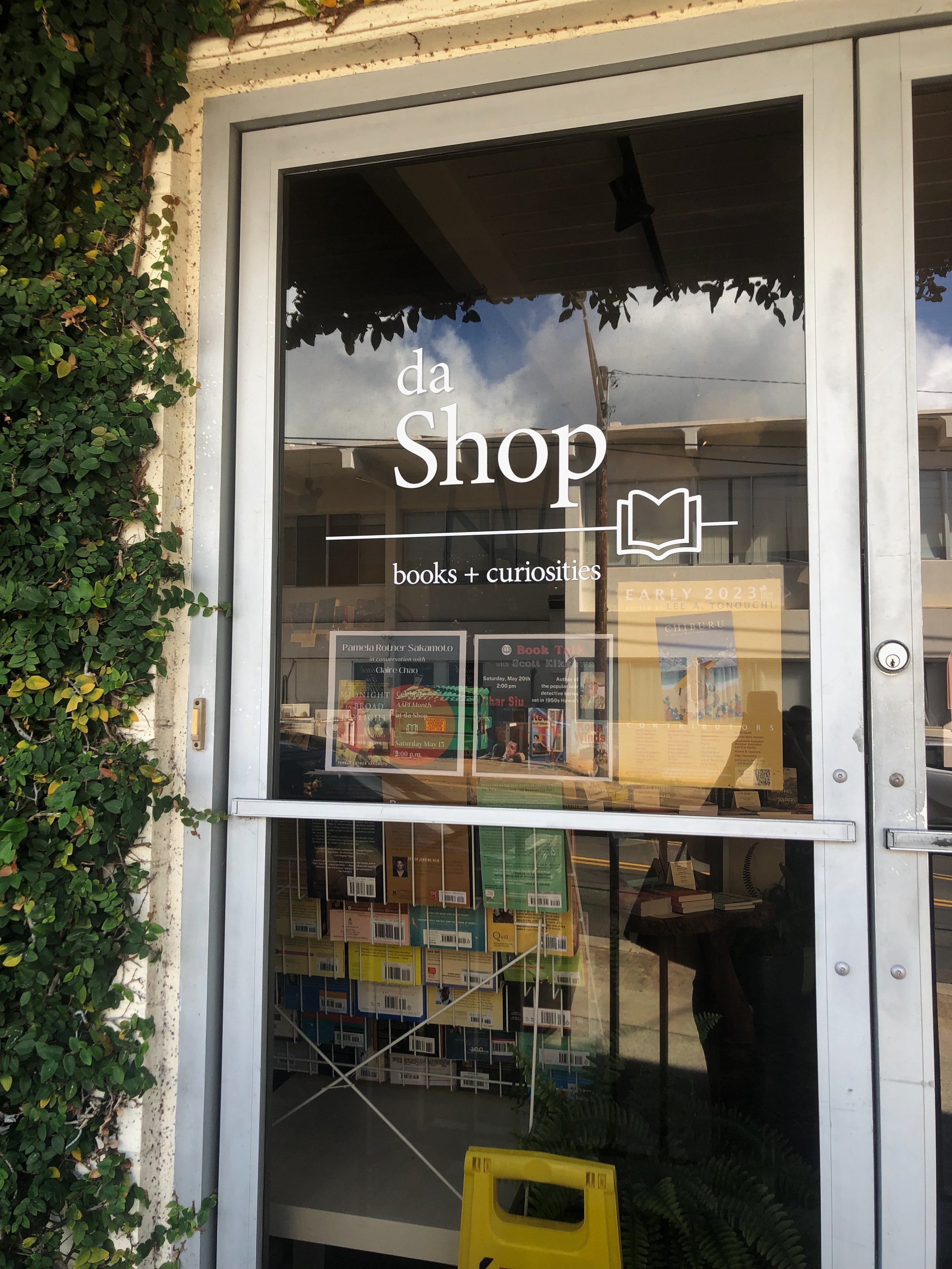
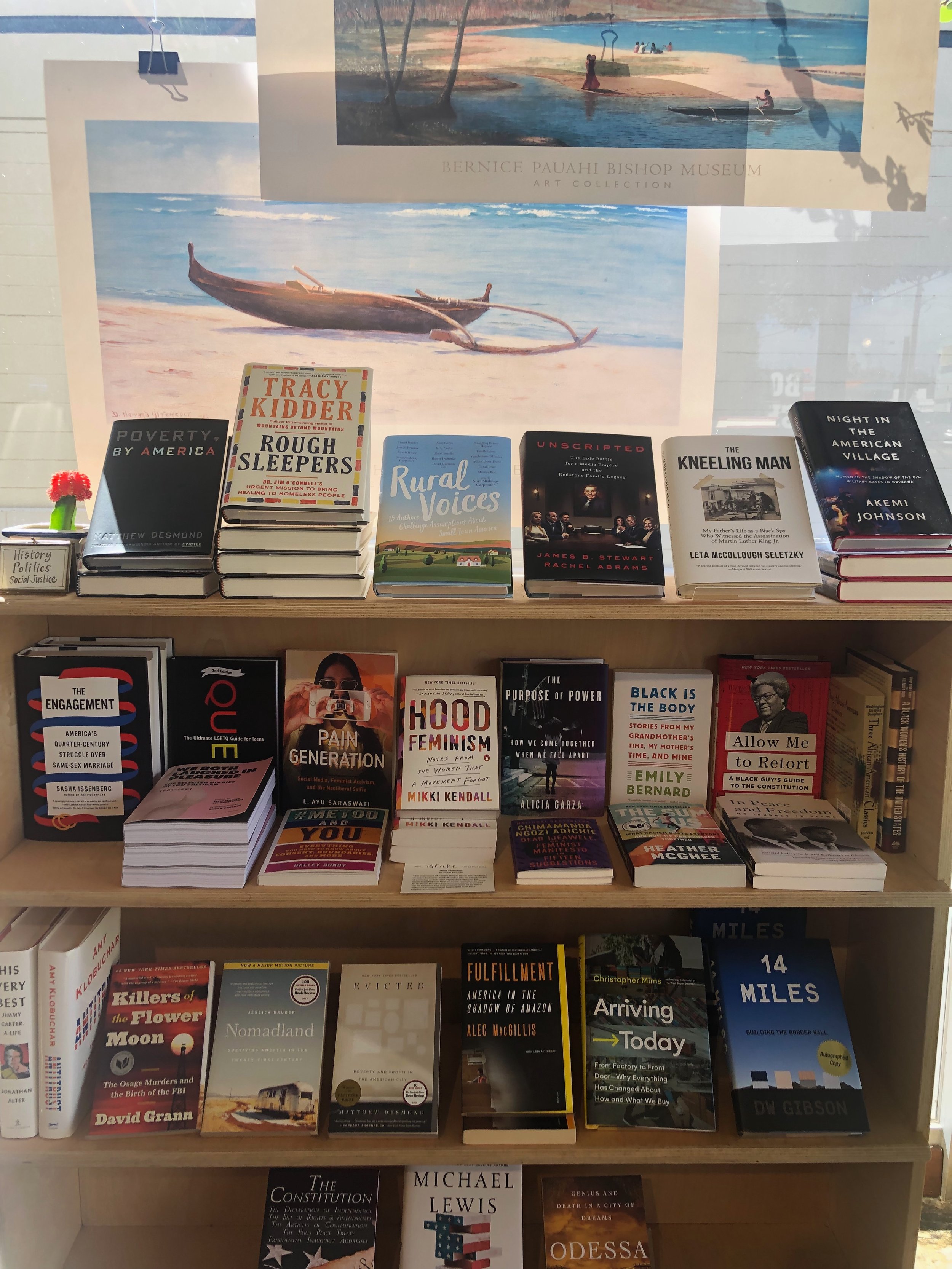
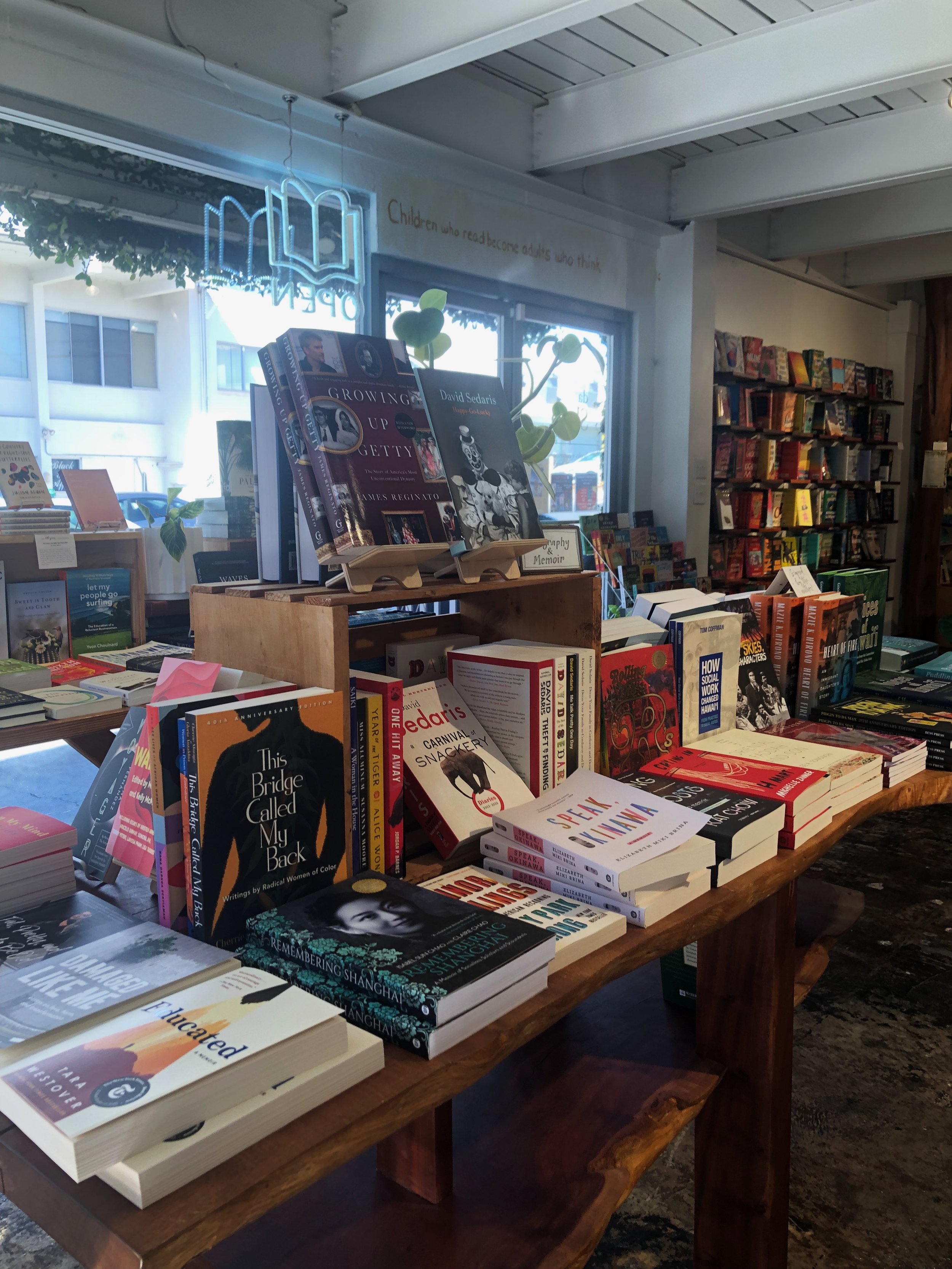
The first store I visited was Da Shop: Books + Curiosities located in Honolulu. An independent bookstore operated by small, independent publisher, Bess Press Publishing, it caters to Bess Press titles—mostly local and Hawaiian—with some niche national publications thrown in. It is a small shop, with a very curated front face along with a back warehouse for clearance titles. I loved that they have a true adherence to Asian Pacific Islander voices with a smattering of mainstream voices, all thematically connected to truly diverse author options. I enjoyed walking in the small shop and seeing so many AAPI authors.
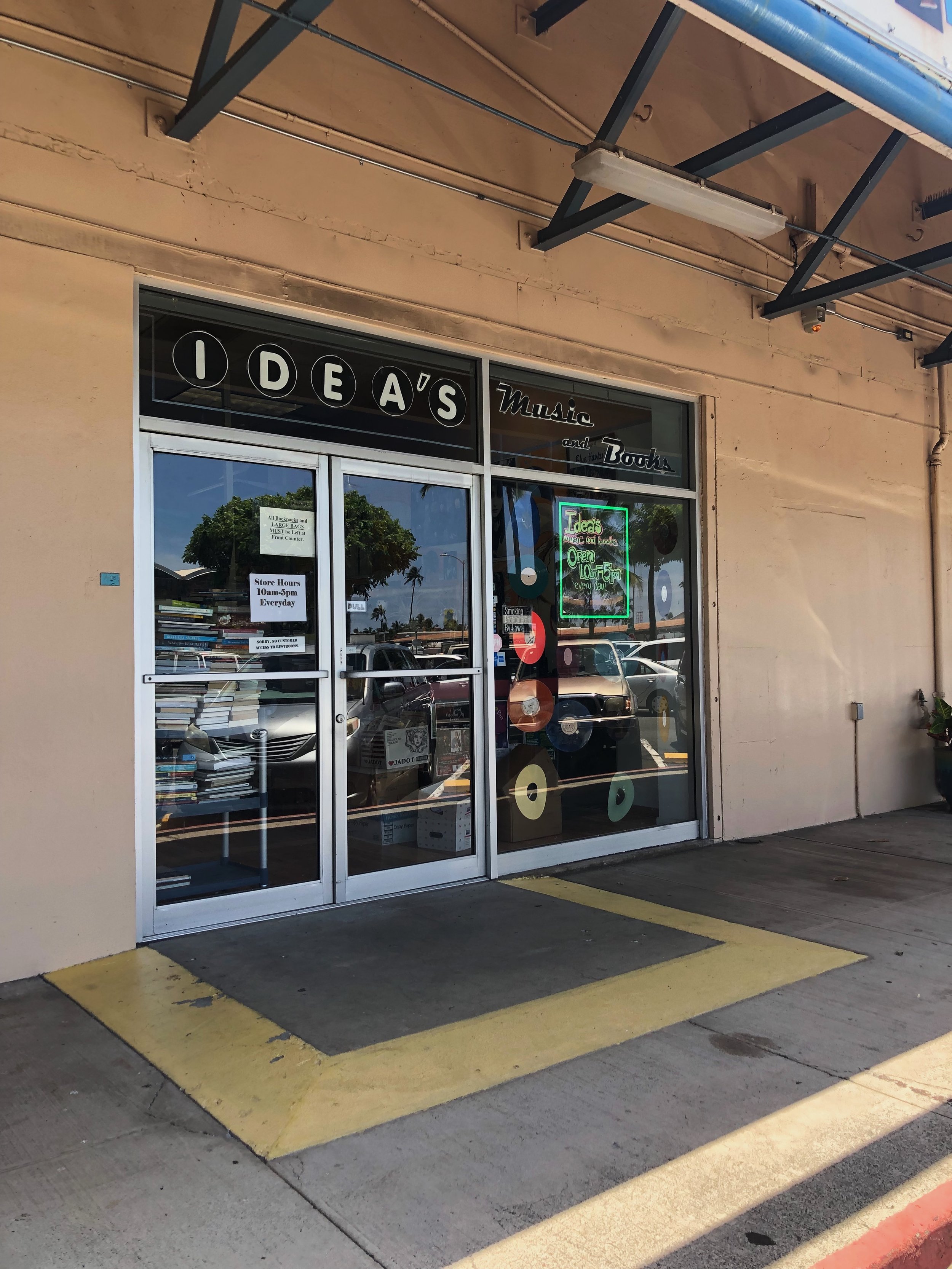
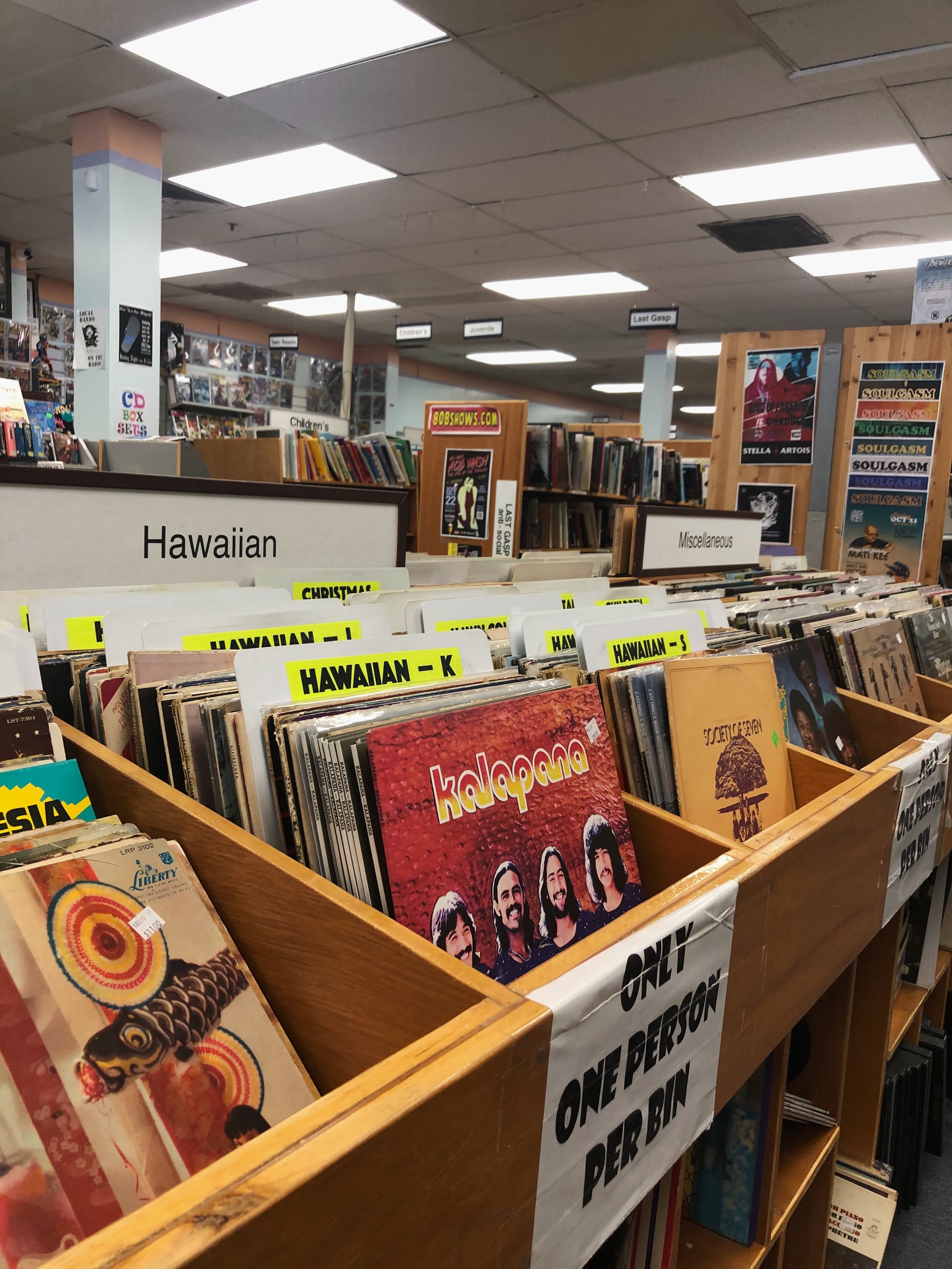
Idea Music and Books was the next location I visited. Also in Honolulu, Idea has been in business since 1976. The space is split into two sections: the front portion of the store caters to the new-and-used music with a plethora of vinyl in stock. Idea seemed like a dream for the music lover. It was organized and clearly marked. The back portion of the location is filled with books, mostly used titles with a smattering of new books. While they are shelved by categories, the organization is haphazard. If one is willing to dig for buried treasure, Idea had a treasure trove of older titles, and I found a stack of difficult-to-find titles on a particular subject I’m interested in researching.
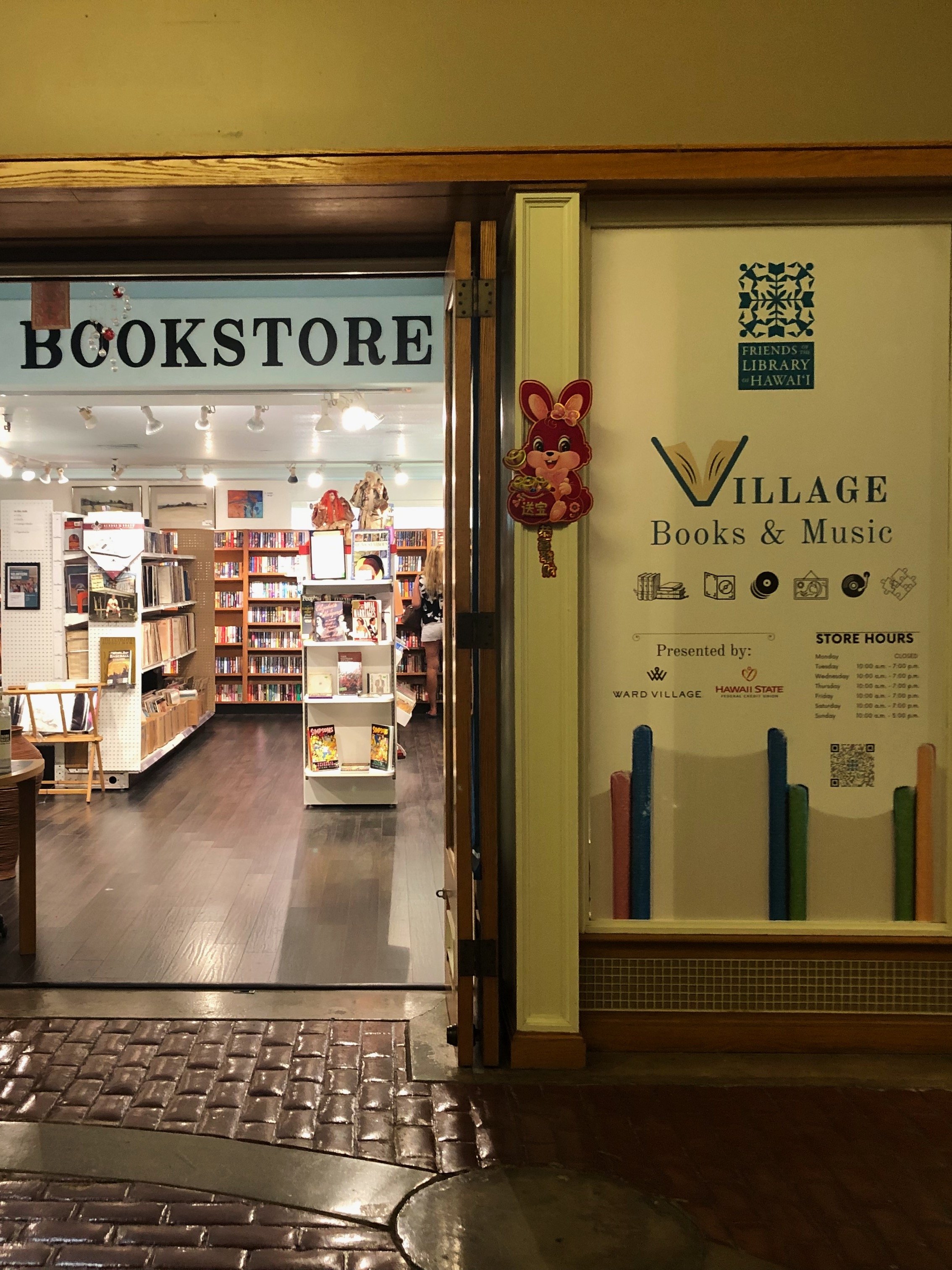
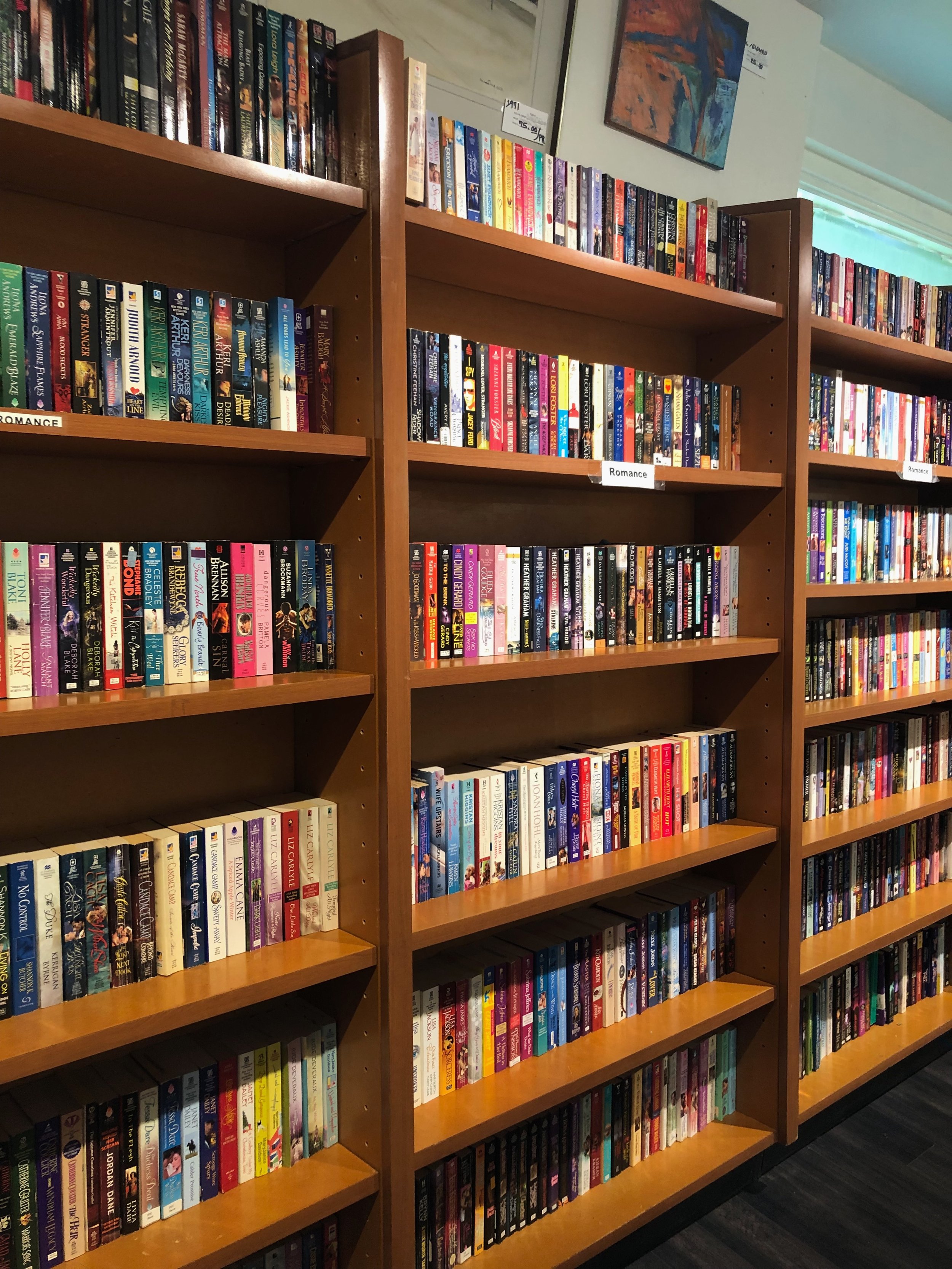
Deep in the hallways of an older mall with limited foot traffic is a hidden treasure, Village Books & Music, a “friends of the library” bookstore that supports Hawaiʻi libraries. As bookstores go, this one was the most “mainstream” offering all kinds of titles and organized nicely by category and author. I could have looked over the shelves for hours. The quality of the books are exceptional and the prices (at $3-$4) economical. I found a few newer YA titles to add to my collection (Nic Stone’s Chaos Theory, for example) and some nostalgic adult titles (Lavyrle Spencer, who was a favorite of mine in high school) to add to my collections. When I took my books to the cashier, I noticed she was reading The Count of Monte Cristo and we had a fun chat about reading as I checked out.
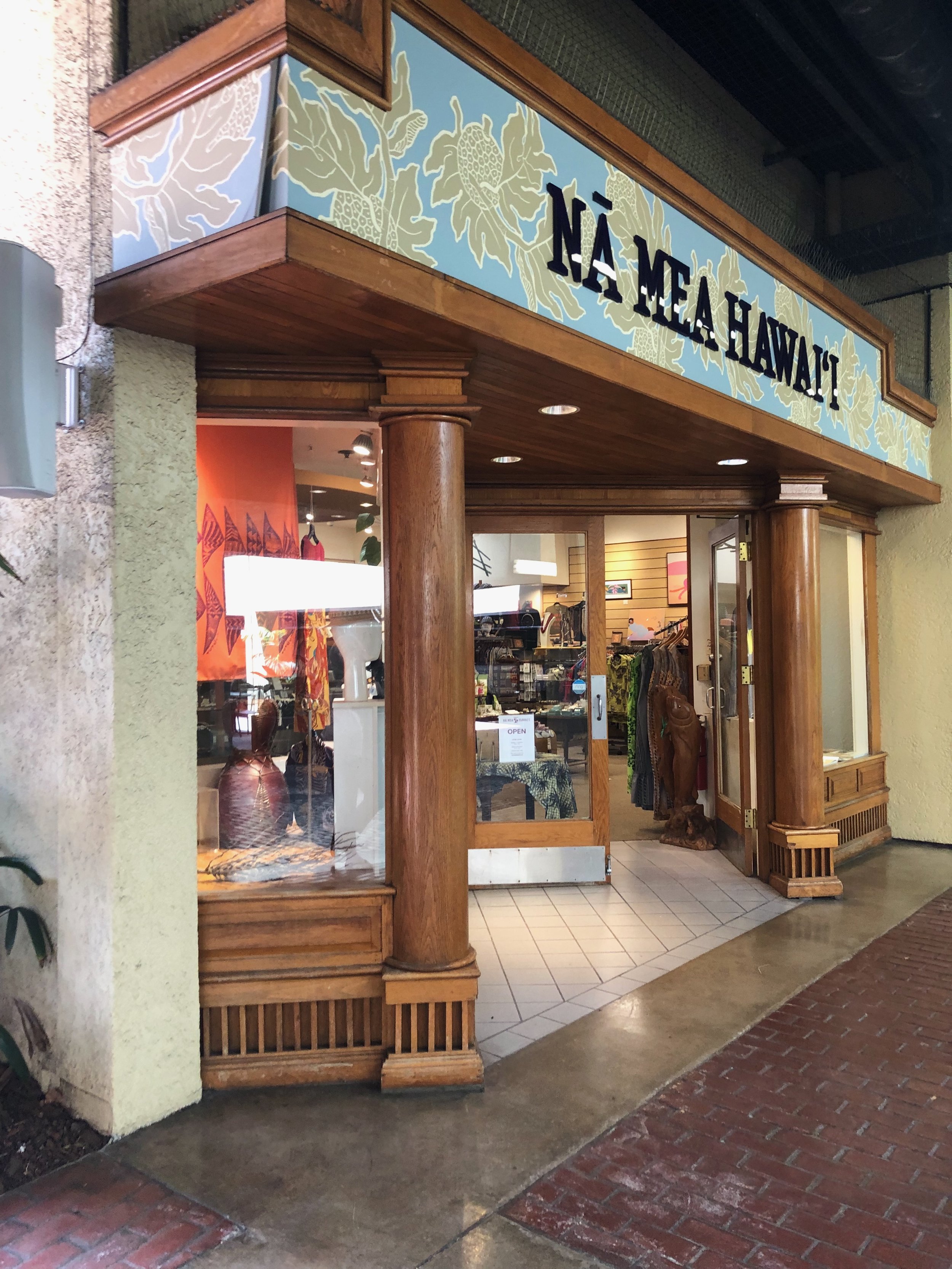
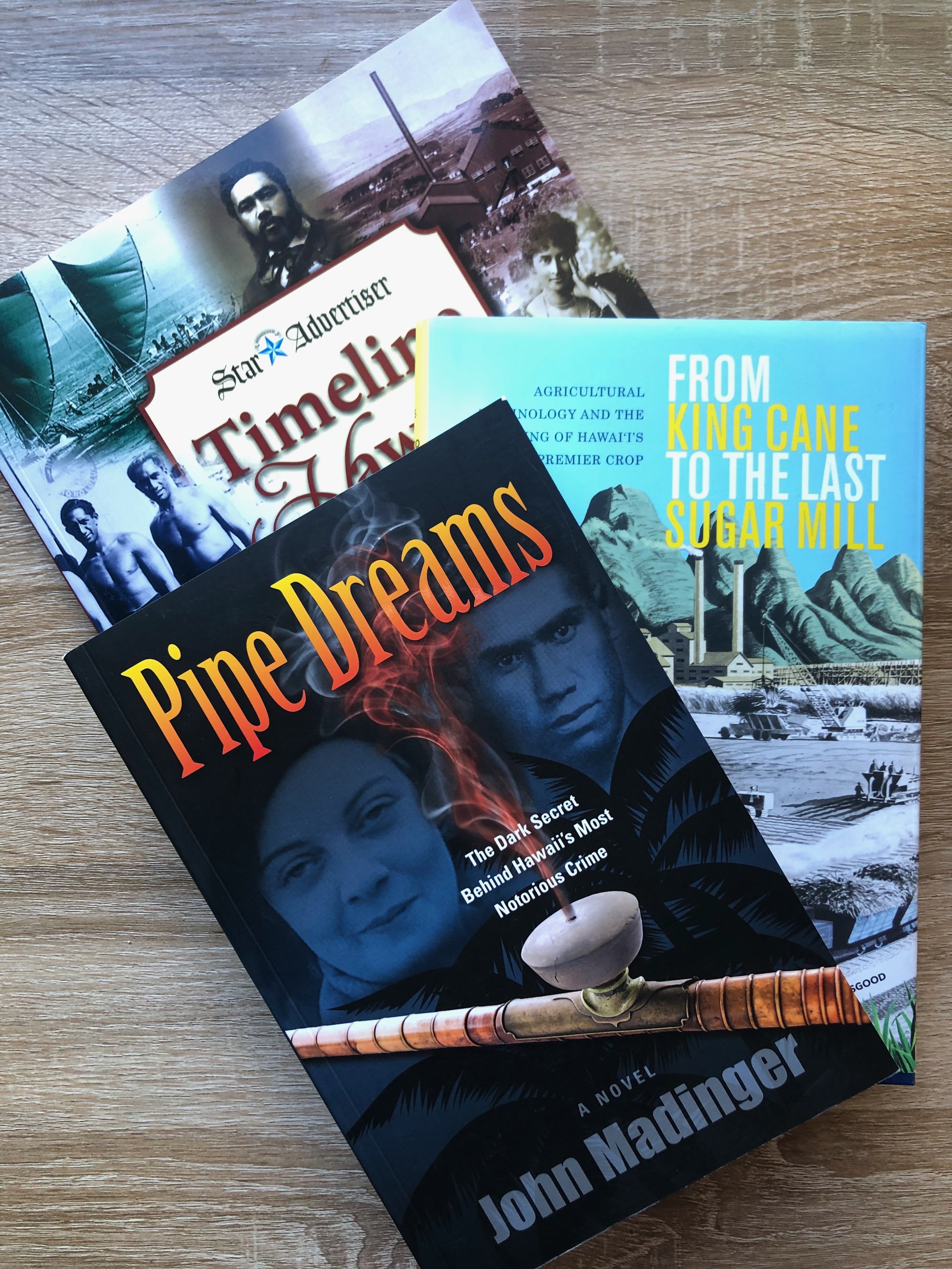
Next, I went to Na Mea Hawaiʻi, a Hawaiian culture shop that carries a curation of Hawaiian artisanal merchandise from art, to clothing, to beauty goods, to food items, and finally books that cater to a Hawaiian perspective of place and people. I had a wonderful chat with a salesperson who helped me look over the book selection, and we found a few titles to add to my growing Hawaiian collection. A beautiful independently owned shop, this wasn’t specifically a bookstore, but it had a lovely book section.

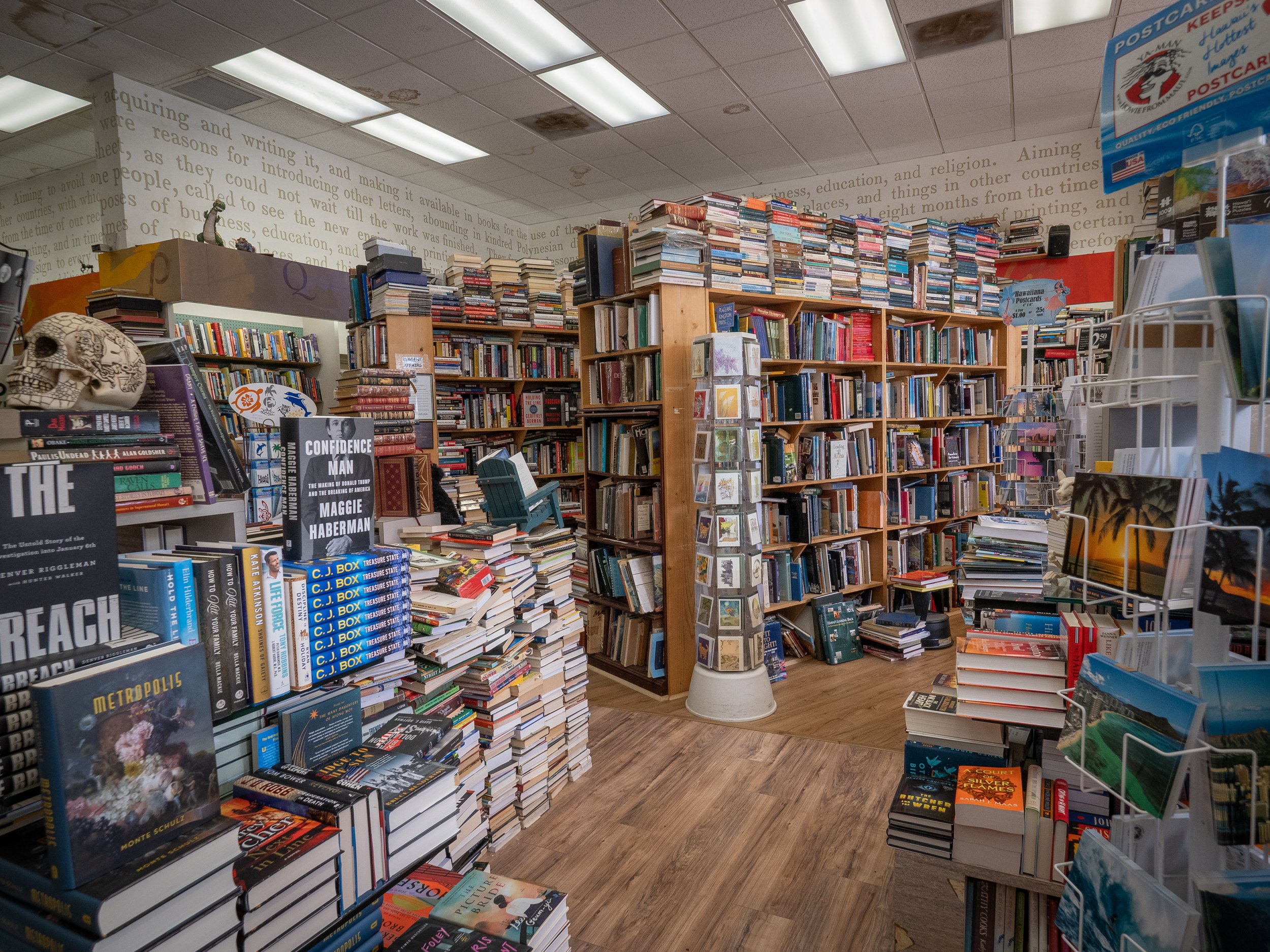
Please note: these images were taken from two previous articles written about Bookends: Here & Here
Located the farthest on my quest was BookEnds in Kailua. Independently owned and operated since 1998, BookEnds was voted the Best Neighborhood Bookstore by Honolulu Magazine. It’s a tiny shop filled to the brim with a new-and-used collection, offering a diverse collection of titles. I found a lovely, first US edition, signed copy of Witi Ihimaera’s Whalerider here. Boy, did I feel lucky! (And for kicks, this was the first independent bookstore on the island that supported me as an indie author by stocking my books).
There were a few more places I discovered but haven’t had time to visit in person yet. Skull-Face Books is a new independent bookstore catering to new-and-used books and vinyl, Arts & Letters Nuʻuanu offers native books and art, Logos Books of Hawaiʻi, niched to Christian reading, and BĀS Bookshop is niched to art and design. Additionally, I found there are a plethora of shops that carry books, though not exclusively, and several comics and manga shops on the island. Of all the bookstores I visited, only Da Shop, Na Mea Hawaiʻi and BookEnds specialized in selling new books.

As an average human, who really loves convenience (and whatever taxes my time and wallet the least), I made some observations about the experience of shopping at local, independent bookstores.
First, as much as I loved walking into these bookstores and enjoying the unique vibe of each, they didn’t always carry what I wanted. This isn’t surprising when the bookstore offers niched merchandise or is more focused on the “used” rather than the new. And of the stores that did carry the “new” books, they didn’t always have a book either. Of course, it’s unrealistic to think that a small, independent bookstore can carry every title. While I could have used the trip as an opportunity to order that special title from the bookstore, the reality that I would have to make a “trek” out to the bookstore again, using time and resources to do it was off-putting.
While digging for buried treasure is fun, I don’t always have the time for it. Sometimes, I just want to walk into the bookstore, find a book I’m looking for, and walk out. Books are already chaotic, so when it’s difficult to find books, it can make the experience overwhelming.
Finally, there was very little diversity between traditionally published books over independent titles. Aside from the niche stores, the new-and-used stores adhered strongly to old mainstream offerings of bestsellers being resold. Besides Na Mea Hawaiʻi, which offered new independently published Hawaiian titles, I didn’t see any independent authors offered in the other shops.

Signing my books at Barnes & Noble, Ala Moana
Here’s an interesting fact for you: I didn't find any of my 11 titles on the shelves in any of my local, independent bookstores. As an independent author, I have contacted most of these bookstores to share that I am a local author, sent flyers with new releases, have offered to send the purchaser some books, and expressed interest in taking part in any author events. Two of these bookstores responded to my queries. One—Village Books—invited me for an author talk and the other—BookEnds—purchased my books for their bookshelves. Interestingly enough, it was my local Barnes & Noble bookstore that reached out to me interested in carrying my titles and invited me for a signing. Granted, this is just one author’s experience, so keep that in mind. And it is important to remember, bookstores are businesses trying to turn a profit, so taking risks on books with no guarantee to move is risky… but that’s an entirely different post.
My Life as an Alien Invader
And all the Oversimplified Gists
Before I met my husband or moved to the Kingdom of Hawai’i, my knowledge about it was rooted in the gifts my grandparents would bring back from their visits: the touristy plastic lei and the “hula” girl doll that rocked back and forth decorated in the grass skirt and coconut bra. I knew it was really far away and that my grandparents had to take an airplane to visit. My young brain understood it by the exotic perpetuation of stereotypes reflected in the media. I remember Magnum PI (the Tom Selleck version), the Brady Bunch visiting Hawaii, and Saved By the Bell: Hawaiian Style, for instance. These stereotypes shaped my understanding about Hawaiʻi.

The first time I ever visited, technically, I didn’t journey here as a tourist. Instead, I visited Hawaiʻi as a guest of my boyfriend to stay with his family. Though he took me to see some “touristy” things, I got to experience Hawai’i immersed in the reality of living and working in this place. After getting married to that boyfriend, I moved here, but it didn’t connect that I was moving to a place illegally occupied by the United States. Truthfully, in 1997, I didn’t think much about it at all. I had just married my Hawaiian husband, who I just assumed lived in the fiftieth “state”. It had only been 100 years earlier that Hawaiʻi’s Queen Lilioukalani was held prisoner in her own home and forced to sign a “treaty” which eventually led to Hawaiʻi’s annexation as a US Territory in 1898 and was ratified as a “state” in 1959.
But this isn’t what we’re taught about Hawaiʻi on the mainland.
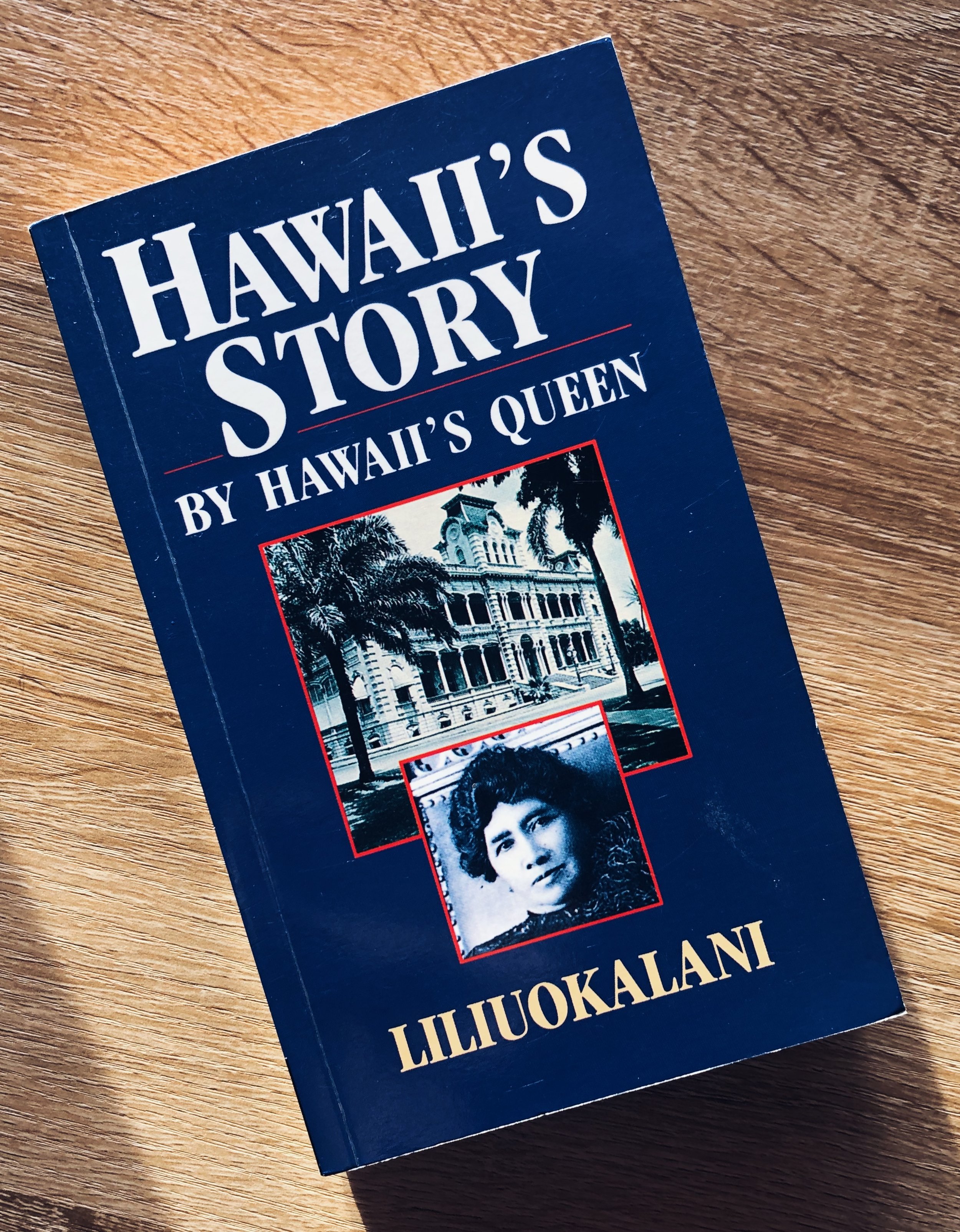
The oversimplified gist of those events is that a group of white, American businessmen descended from the white, American missionaries, who settled in the kingdom—in order to protect their business interests—leaned heavily on the queen to sign control of the kingdom over to the American government. When she refused to kowtow to their demands, she was seized and held prisoner in her own home until she signed the “treaty”. There are a ton of books written out there about it by people much more knowledgeable than me [and if you're interested, I would highly recommend starting with Queen Lilioukalani’s journal Hawaiʻi’s Story (1990)].
Unfortunately, there are more people like that 1997 version of me. Many people in the contiguous United States are unaware of the political history of the Kingdom of Hawaiʻi—it’s geographic isolation is just one reason it might not show up in a US history lesson, but let’s be real, that isn’t the only reason. I didn’t learn about it in school. Considering my own education in a rural area of Oregon, I barely learned about the native First Nation people indigenous to my own area (which I now know to be the Klamath, Modoc, and Yahooskin Tribes). My education about nonwhites (and keep in mind this was the late 1970s and 1980s—I graduated from high school in 1992) was filled with what I know now to be unbalanced content that perpetuated all the stereotypes, reinforced white bias, and the heroic propaganda of the Mein Kampf . .. oops, I mean, US History textbooks: Colonialism? What is that? Like settling the first 13 colonies to get away from religious persecution? Here’s the definition: Colonialism is when a country sends settlers to a place and establishes political and cultural control over it. So those missionaries that turned into land holders that turned into business men pushing their own religious and political agenda onto the indigenous population. Yeah. Colonialism.
I had this epiphany the other day that colonizers are like invading aliens. Now, please don’t align my use of the word “alien” with the way the United States right-wing has used the term to identify undocumented people trying to seek asylum and better conditions in the US. Not the same thing. My use of the word alien should conjure more of the War of the World sucking up human bodies as fuel connotation. And we love those movies right? Mars Attacks!, The Edge of Tomorrow, Independence Day, A Quiet Place to name a few. Each of these stories offer the premise that the human world is being infiltrated by an extraterrestrial, alien species bent on colonizing the planet (stealing resources, but same difference) and the people rise up and heroically fight against the monsters.
You see the irony right?
But know that this isn’t an essay on white guilt, but instead an acknowledgement of the reality of the state of things in Hawaiʻi. Nor is it an essay meant to perpetuate a xenophobic ideology. I wanted to offer a perspective of someone outside that indigenous perspective who IS the alien invader—albeit a welcome one, because there is power in sharing the truth of things. I am not Hawaiian. I’m a guest on this land (ʻāina), and it’s very important that I understand it, just as I hope I would of any place I visit.
Just as I hope that you, too, would understand Hawaiʻi on a deeper level when you visit.
I’m sorry to say there is no one more entitled than a tourist. On one hand, they’ve spent a lot of money on a “dream vacation” so they want their idealized dream, but on the other, they are occupying someone’s home where that dream isn’t real. A common thing I always hear from tourists is: People should be happy we visit. Tourism creates jobs and puts money in the economy. Okay. Get that, but let’s take a closer look. If you were to just take in the Hawaiʻi Tourism Authority data, you’d think tourism makes Hawaiʻi a boomtown. But just like my oversimplified gist earlier, that’s an oversimplified argument filled with unaccounted for nuance and context.
Here are some numbers for you:
The median income in Hawai’i is around $37,000.
The cost of living in Hawaii—in order to make ends meet—is listed at *$70,000 *though other sites have cited “to be happy in Hawai’i,” a household would need to bring in $195,000 (this is more reflective of an income with the ability to contribute to savings and retirement).
The median rent is $2,300
The median home price is $810,000 (which with a 20% down means financing $648,000) Do the math. Even making the $70,000 dollars isn’t going to get you a home.
Hawaiʻi’s minimum wage: a whopping $12.00/hour.
The average tourism job starts at $12 - $17/ hour. And you know . . . come on, you know… most corporations aren’t hiring workers full-time in order to avoid paying benefits, so people are working double, triple jobs to afford living and health care.
Those abysmal numbers highlight the average means for a resident of Hawaiʻi. While the Hawaiʻi Tourism Authority cites collecting upwards of $2.6 billion dollars in tax revenue, this money doesn’t impact the day-to-day lives of the average person in Hawaiʻi struggling to make ends meet. Then their resources (water, sewage, air quality, sea quality, food costs, housing costs) are tapped by the massive influx of invaders—the tourist—whose tourism dollars would have to be spent in Hawaiʻi owned business—Hawaiian owned shops, in Hawaiian owned restaurants, in Hawaiian owned boutique hotels, to actually benefit the people with their tourism money—but this isn’t the case. Most tourism dollars are spent supporting the conglomerates (chain hotels, chain restaurants, chain stores) who pay their workers minimum wage.
There’s the argument that assumes someone living in Hawaiʻi can find a job outside of tourism. Except it's a machine which means every family in Hawaiʻi is impacted by this industry. Even if the local population wanted to boycott tourism, they couldn’t. Do you think it’s the dream of those hula dancers to dance at the Hotel Luʻau? Case in point: my oldest child has a college degree and the only position that seems to be open after months of looking for full-time employment is a position at a hotel.
So here’s another oversimplified gist: tourists and non-Hawaiians accessing the land and resources are benefiting the bankroll of the businessmen. And those businesses are protecting their business interests—not aligned with Hawaiian ideals—and leaning heavily on the working-class of local and indigenous people who live here, who benefit very little in the day-to-day of their lives. I know Hawaiians have a lot more to say on this topic and I won’t presume to speak for them, but I know many who have gone so far as to say, “don’t come here without an invitation from someone who lives here.” If you think about it, that’s actually a great practice—that was my first visit to Hawaiʻi, remember? How much more do you appreciate and take care of a place when you visit knowing you’re guests of friends?
A few years ago—pre-2020—my husband and I had the opportunity to travel to Europe on a river cruise down the Danube. One stop in particular sticks out in my mind. It was in a small river village in Austria, and it was clear that the village was reliant on tourist dollars, but also that there was more to the town than what we could see in the six or seven hours of our stop. Most of the tour group—fifty or sixty of us—decided to go to a local winery. We sat in the tasting room and listened to the vintner tell us about his products, then we were given samples of the wine. It was a picturesque location vibrant with local flare. What stood out to me, however, was the way several members of our American group were behaving. They were loud, interrupted the man speaking, laughed loudly (and since there was a language barrier, one might assume they were being laughed at). I was mortified by their behavior, so ashamed.
Having been in Hawaiʻi now for nearly thirty years, I have witnessed this kind of behavior by alien invaders. The trash left on beaches, the entitled attitude about space because “do you know how much I paid for this vacation?”, the lack of regard for the real people taking care of them in service jobs. One time my husband and I took my visiting mother for breakfast on the beach. When we arrived at the restaurant, my husband approached the host podium to get on the list for seating when a tourist looked him up and down, then sneered as she said, “I was here, first,” to which my mother replied, “I think he’s been here longer.” The tourist didn’t get it.
And that is where the problem lies. Invaders and occupiers take. And even in spite of that, Hawaiian culture is all about hospitality and generosity. Nana Veary, Hawaiian spiritualist wrote in Change We Must, My Spiritual Journey (1989) about a lesson she learned as a young girl when her grandmother invited a stranger to come in and dine. She didn’t understand why her grandmother would feed him to which her grandmother replied in ʻōlelo Hawaiʻi, “I want you to remember these words for as long as you live, and never forget them. I was not feeding the man; I was entertaining the spirit of God within him.”
That gracious hospitality still exists in Hawaiʻi and is inspiring. I would argue that for that generosity to continue, there needs to be a reciprocal nature to the host-tourist relationship. Do you show up at your friend’s house empty handed? Your parent’s house? What about the brand new neighbors to the neighborhood? So here’s some food for thought: As an alien invader… ah hem…I mean as a tourist to Hawaiʻi (or any other place for that matter) what are you giving to the space that you occupy? Are you bringing anything other than your entitlement and your trash? Take some time and learn about the real place, the home, the land you’ll be occupying rather than fetishizing it and snagging the cheap, plastic hula doll you’ll stick to your car dash so you remember lying on Waikiki Beach that one week that one summer.
You can find this post and others on my SubStack.
How I Got to Hawaiʻi, My Hawaiʻi Story
In Honor of Pacific IslanDER Heritage Month
There are quite a few stories about people coming to Hawaiʻi to visit, then never leaving. Hawaiʻi is an amazing place, so I can understand the attraction (though I do have mixed feelings about it). My story, however, is a little different…
When I was eighteen, I went off to college. Ah hem. Okay fine. I didn’t even leave my hometown. I enrolled at my local college, started going to classes, and was well on my way to flunking out—yeah. I had no idea why I was there— when I met a guy. In hindsight, that exact reason was probably why I was initially there (which is a completely different story). His name was Vince, he played football for our college, and he was *Hawaiian from **Hawaiʻi.
*Quick lesson No. 1: I’m from Oregon. And as with most states in the United States, we tack on an -ian at the end of the world to indicate our state of origin. I was born and raised an Oregonian, for example. The same isn’t true for Hawaiʻi. People who live in Hawaiʻi aren’t indicatively Hawaiian, even those who were born and raised here. Hawaiians are a native group of people who are indigenous to Hawaiʻi. It’s disrespectful, then, to say that just because I’m from Hawaiʻi that I’m Hawaiian. I am not. The proper term would be to say I am “local”. For an interesting take on the origin of being a “local” in Hawaiʻi pick up John Rosa’s book: Local Story: the Massie-Kahahawai Case and the Culture of History.
*Quick lesson No. 2: I used to pronounce Hawaii as (Hah-why-ee). That, my friends, is incorrect. The correct way to pronounce this amazing place is Hawaiʻi (Huh-vī-ee—making sure that second sound—vī—is short and sturdy).
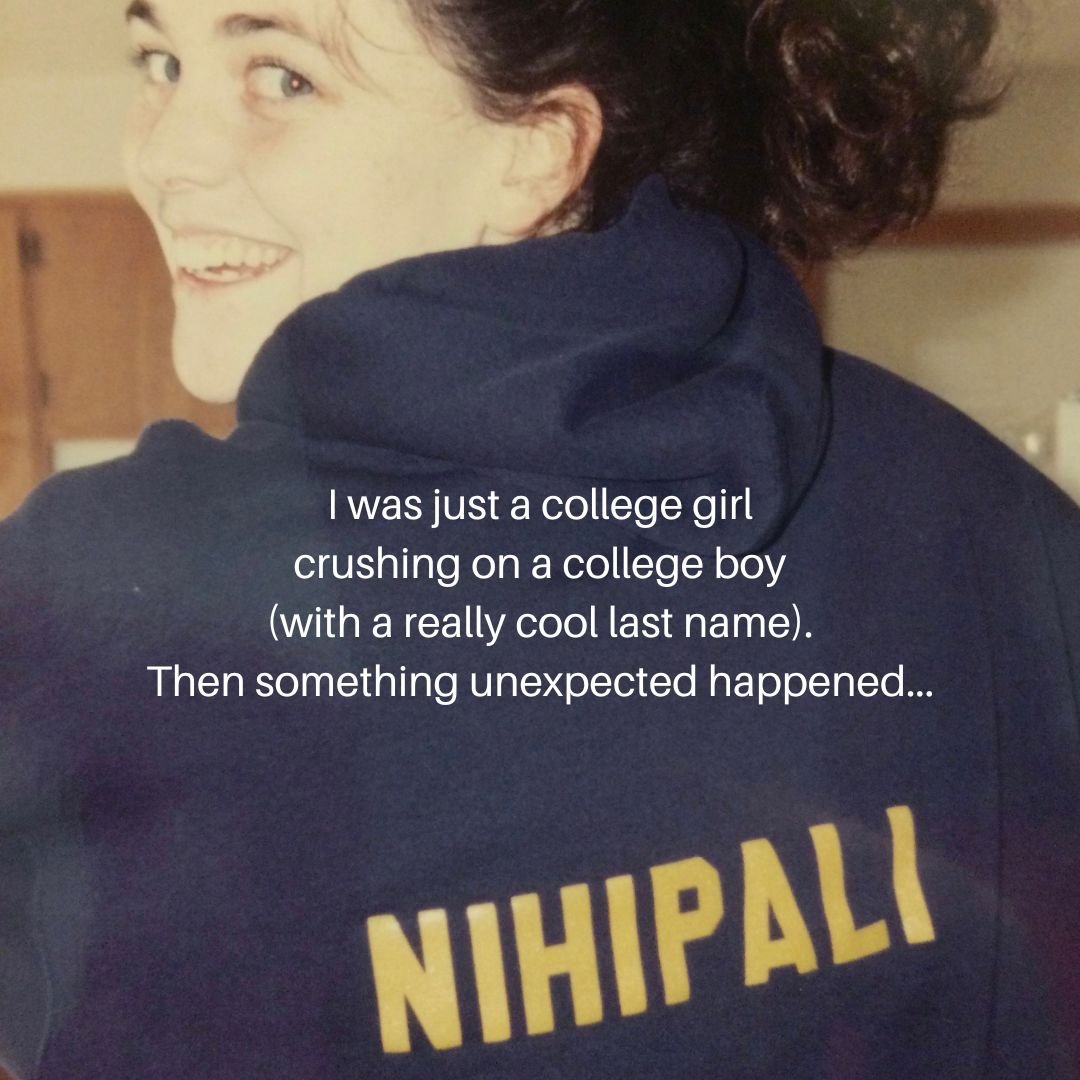
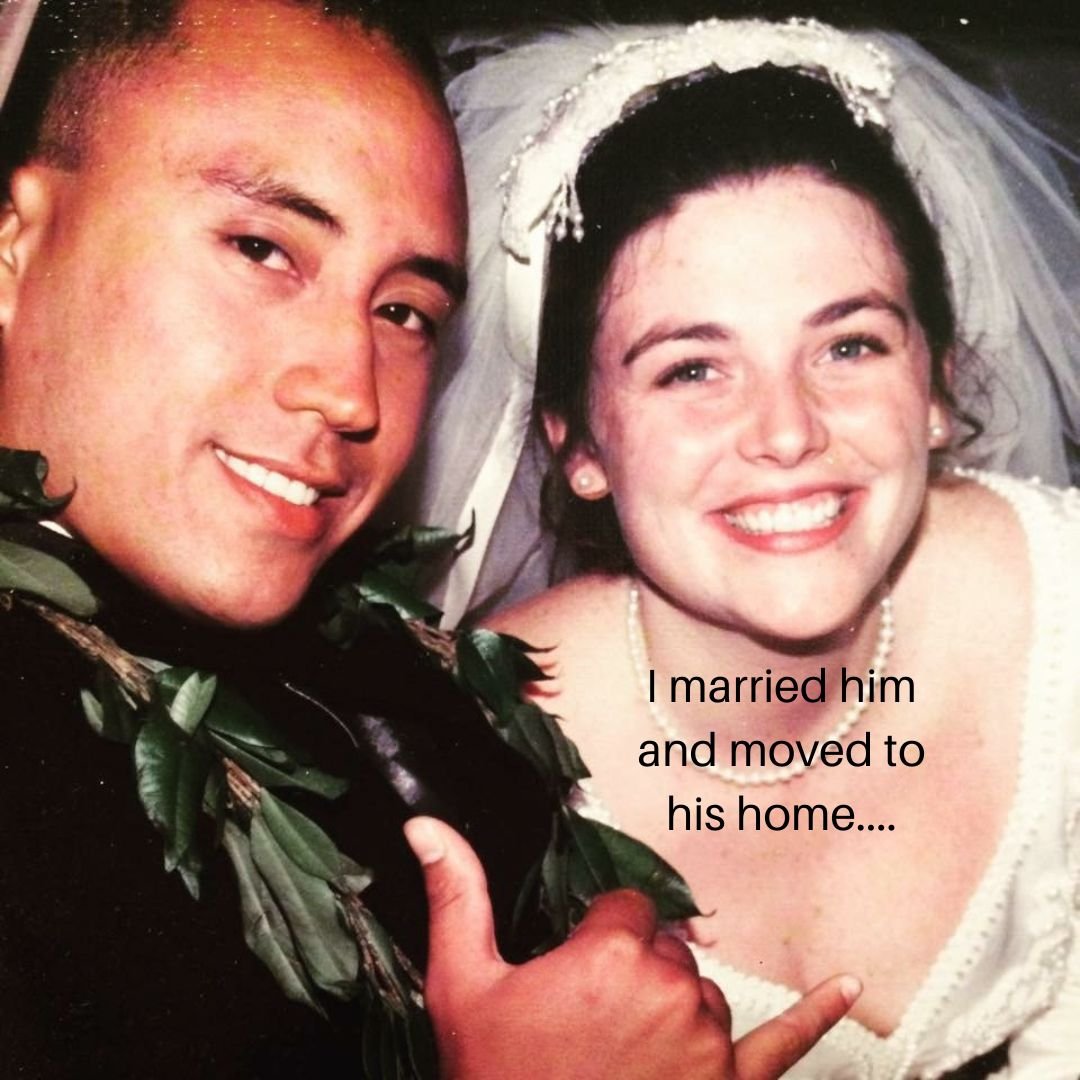
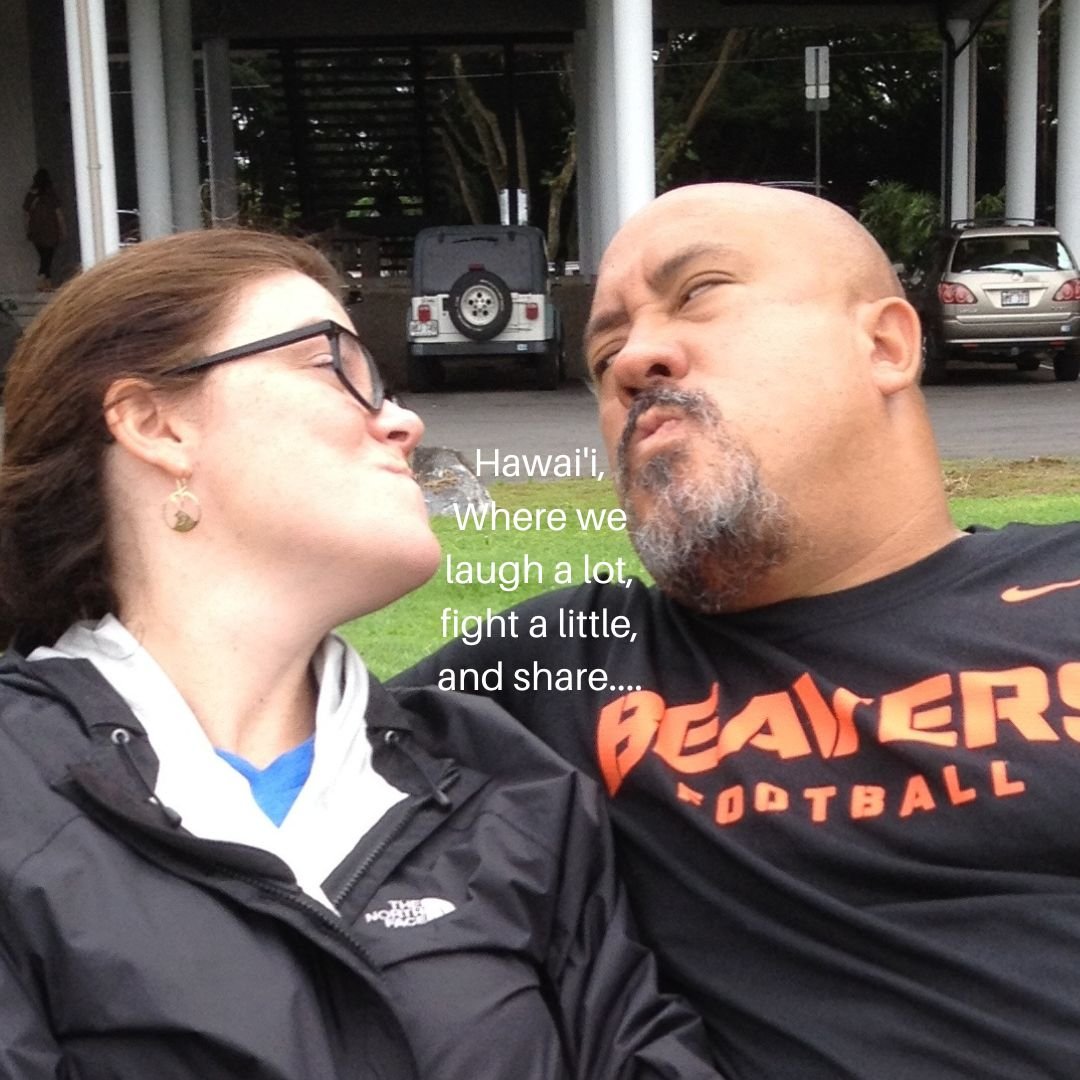
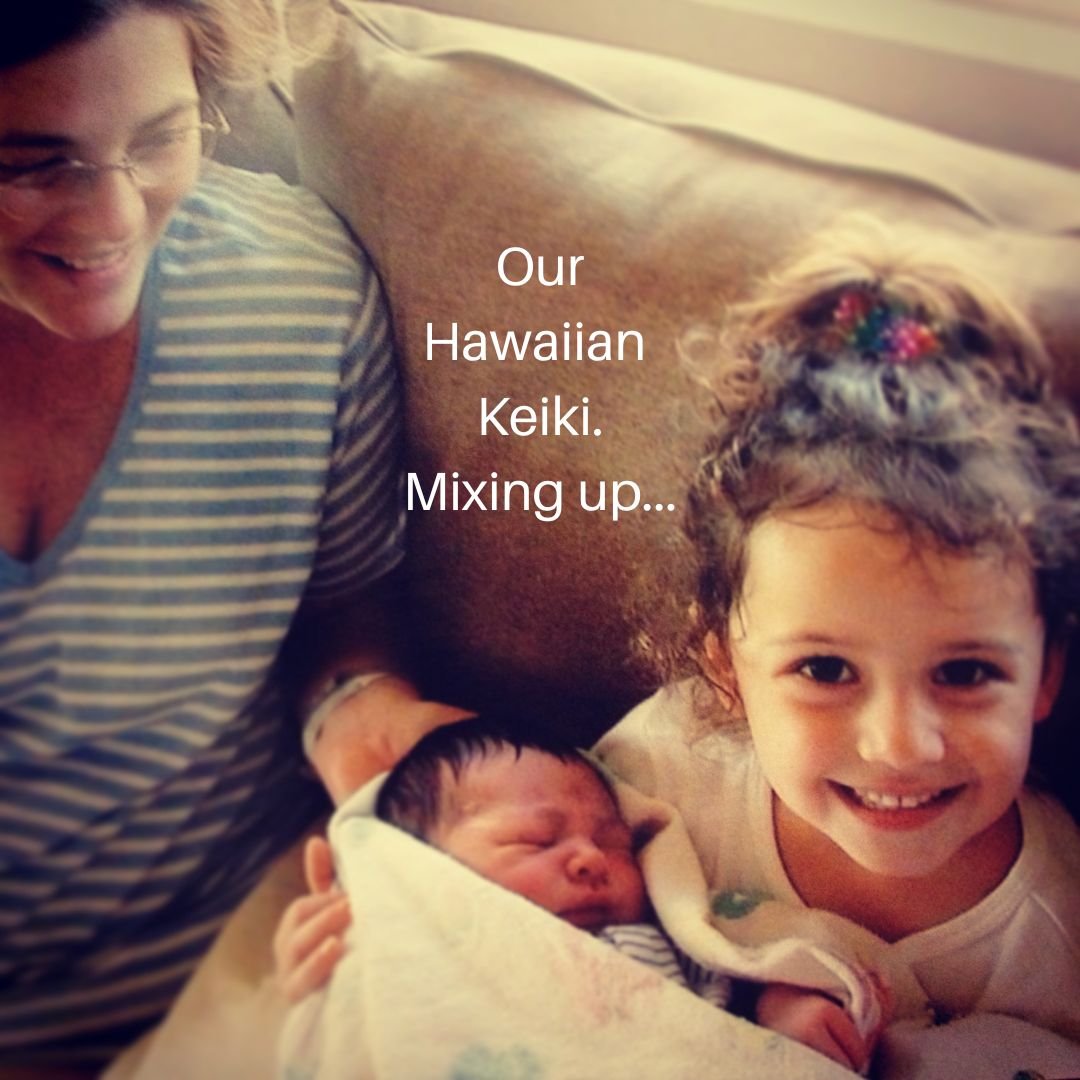
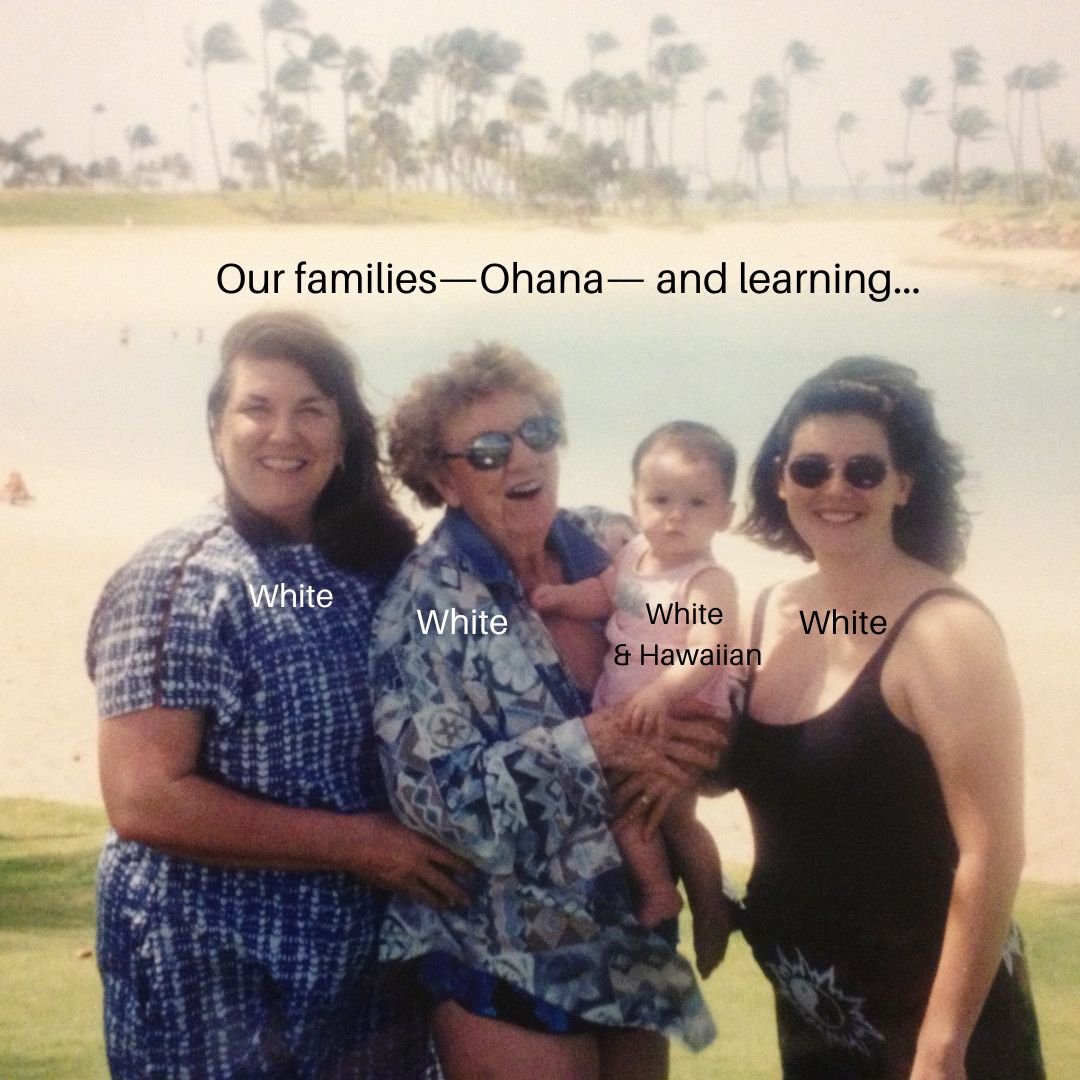
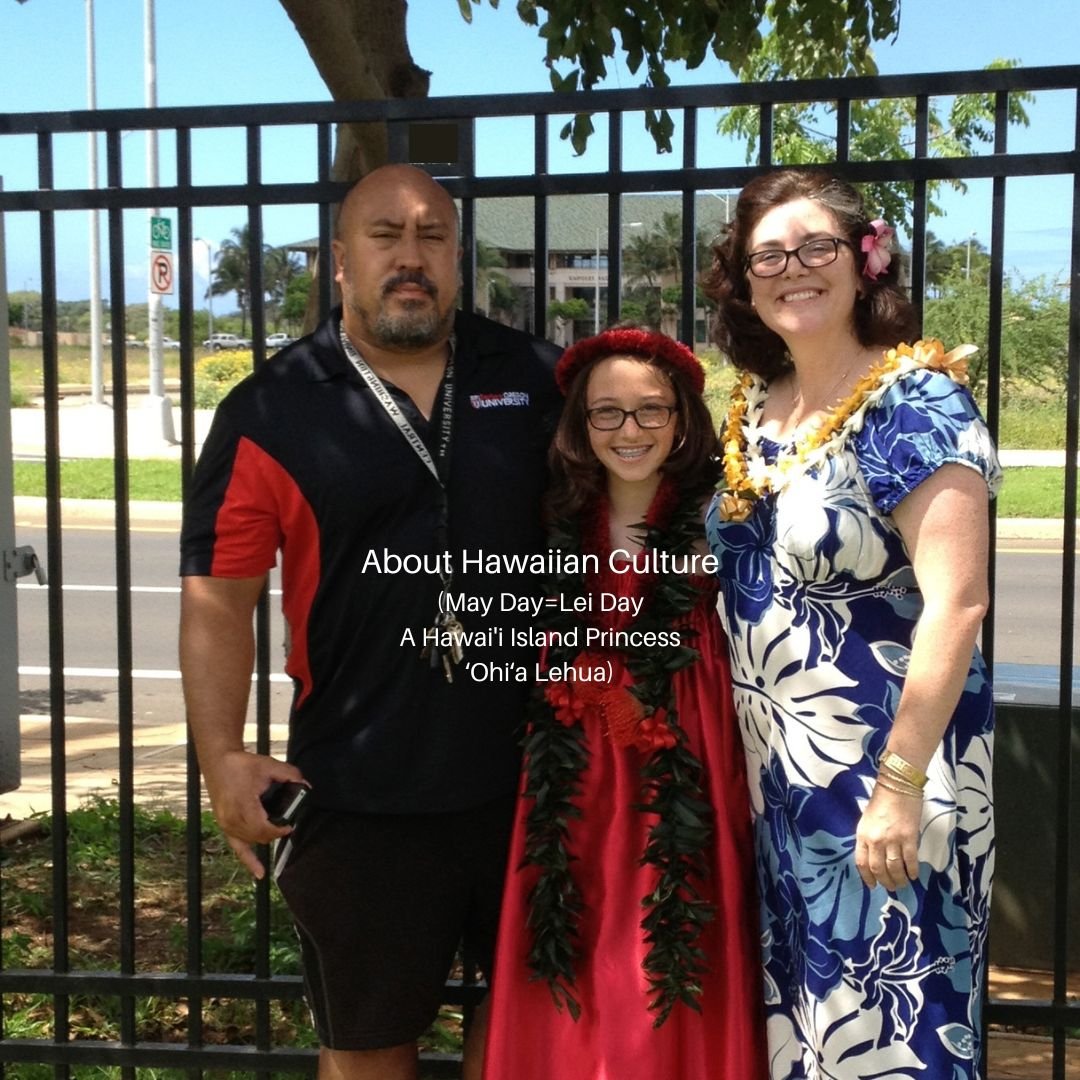
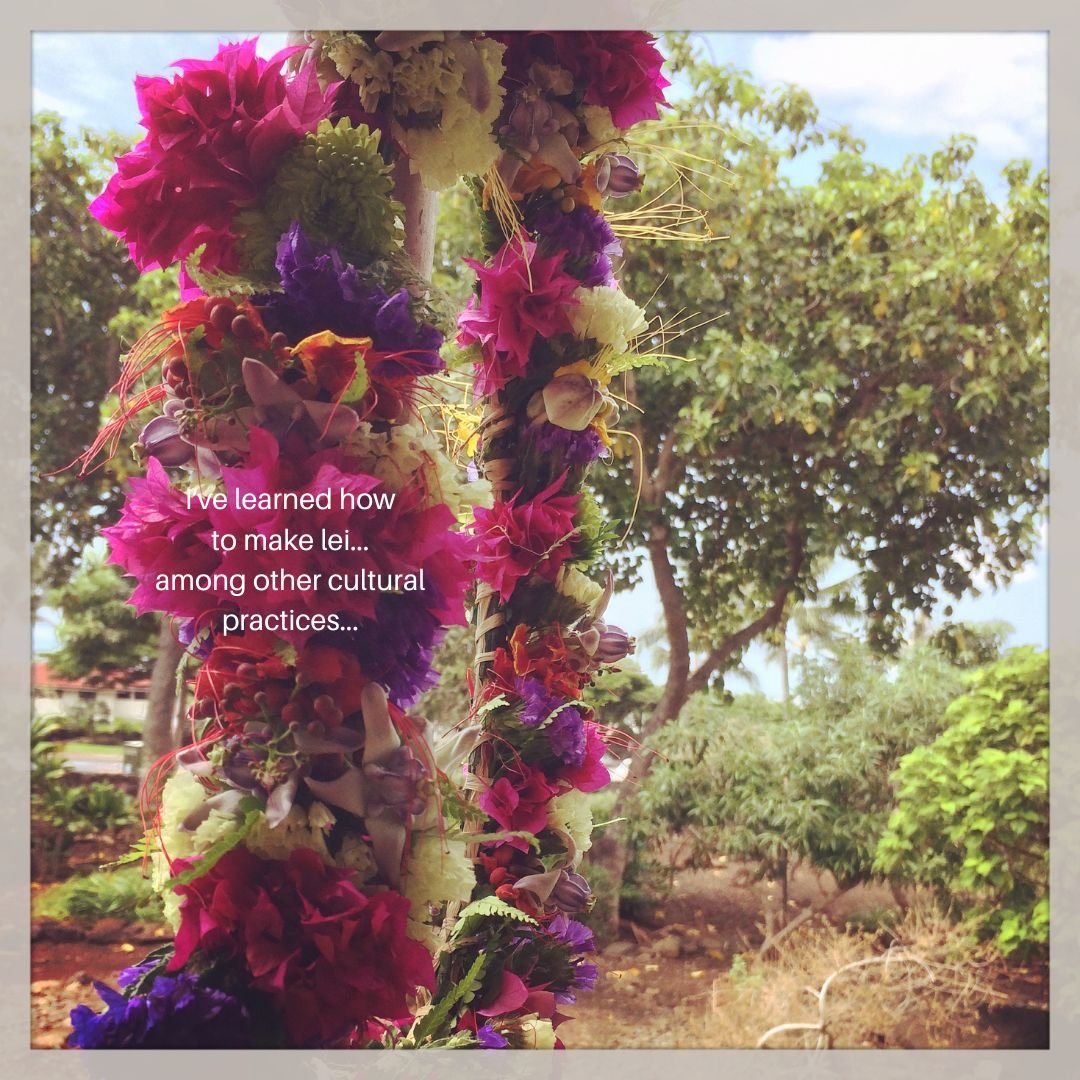
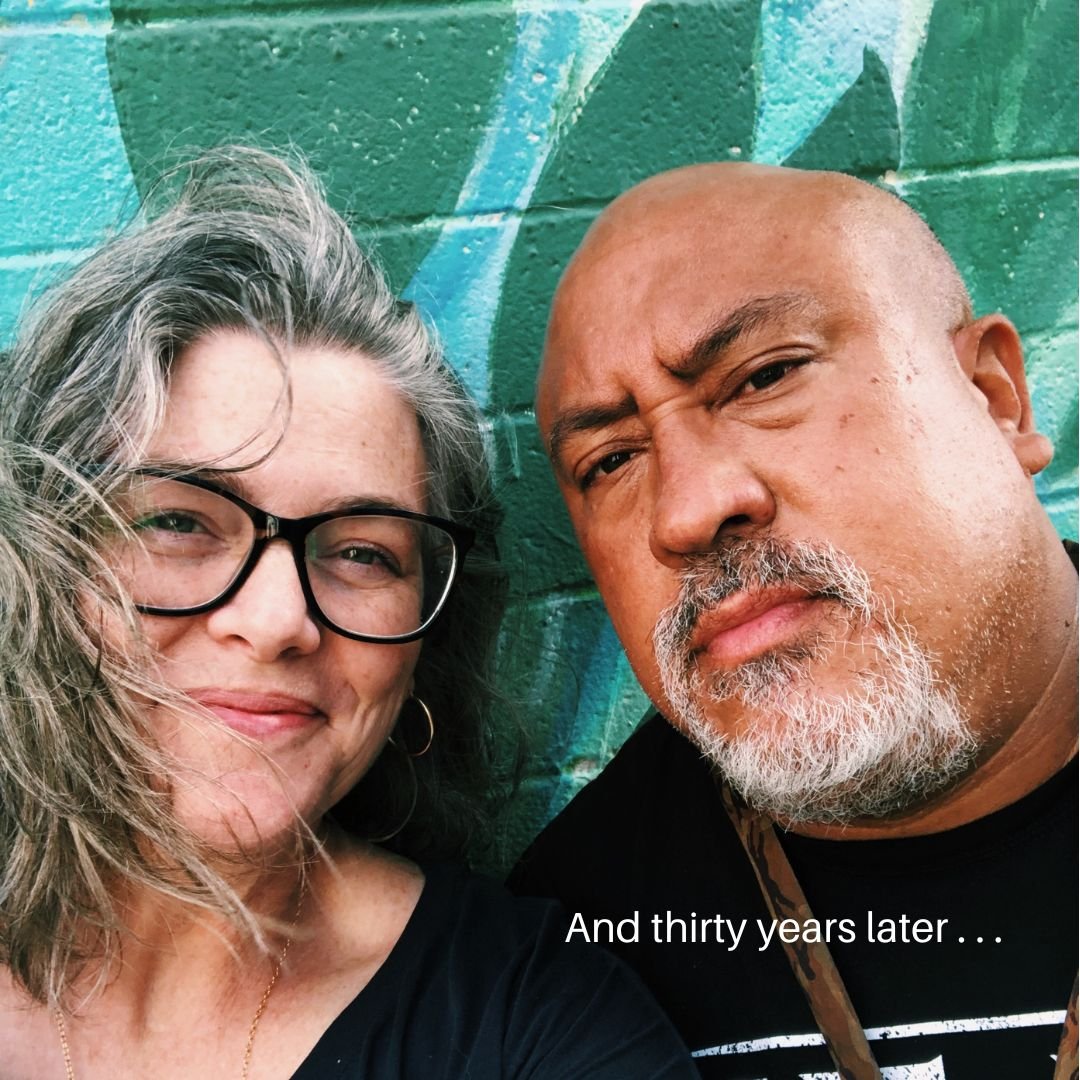
Long story short, after Vince and I dated, eventually making things exclusive, the school we were attending dropped the football program. Vince decided to transfer to play football for another school and suggested I transfer with him. I may not have known why I was in school yet, but I did like the guy. Why not? So off we went.
I did finally figure out why I was in school—majored in English—and we continued dating while we went to school. Our relationship turned into the five-year variety, and we got married in 1997. And then I moved to Hawaiʻi (did you say it right?) that same year. Married for nearly 26 years now, I’ve lived in Hawaiʻi longer than I lived in Oregon. I am so grateful to call Hawaiʻi home.
(You can find this post on Substack, here.)
You Can Go Home Again
You know that party question: would you go back to high school? It often creates an either-or dichotomy: Hell no! Or Absofuckinlutely! For the last eight weeks, I went back to high school. Okay, not as a student, but rather as a long-term substitute teaching English to 9th grade students. Given I taught English for over twenty years, this wasn’t a stretch, but after nearly three years outside of a traditional classroom working instead as a full-time author, it was a refresher in all things teen and work life. This, my friends, is what I learned returning to the classroom.
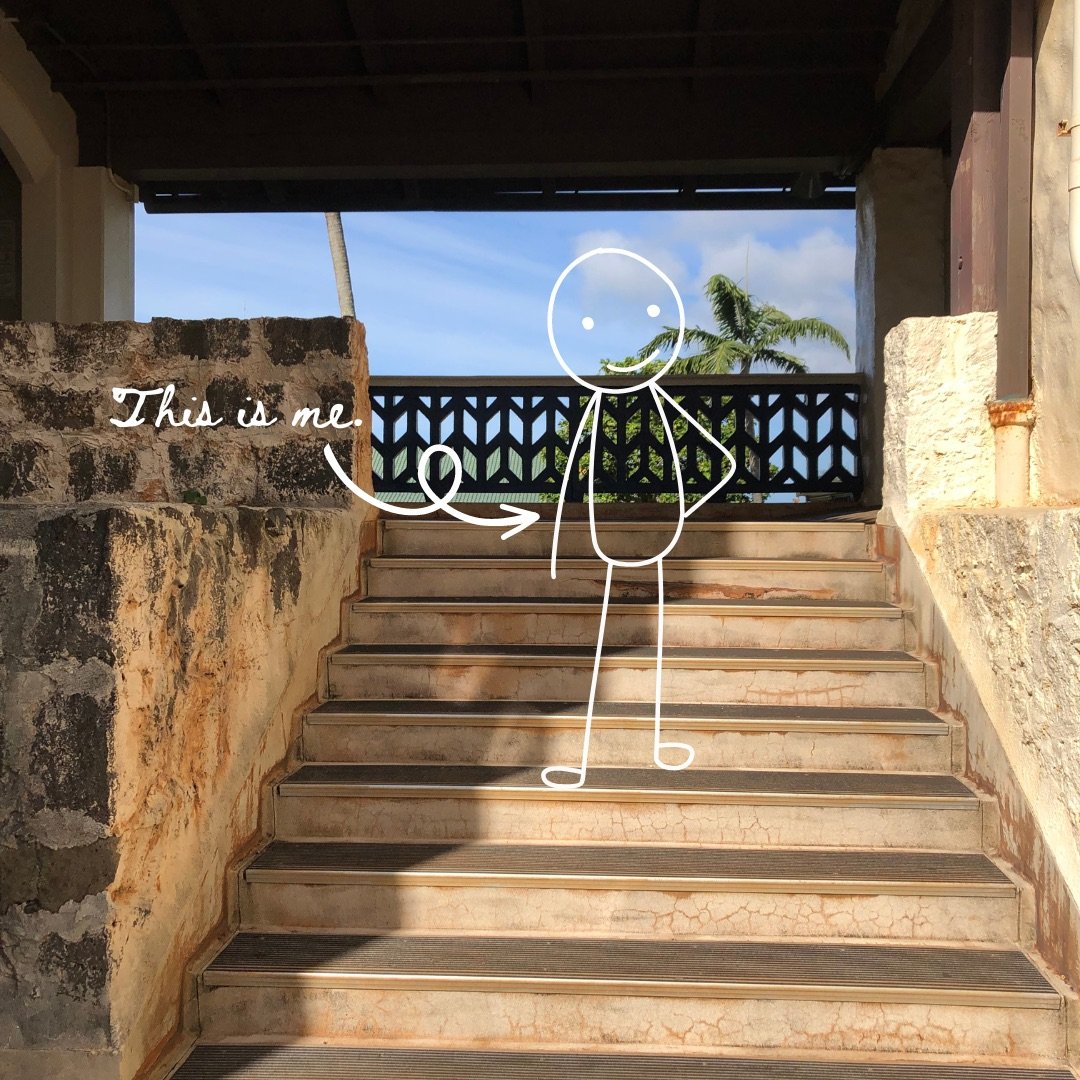
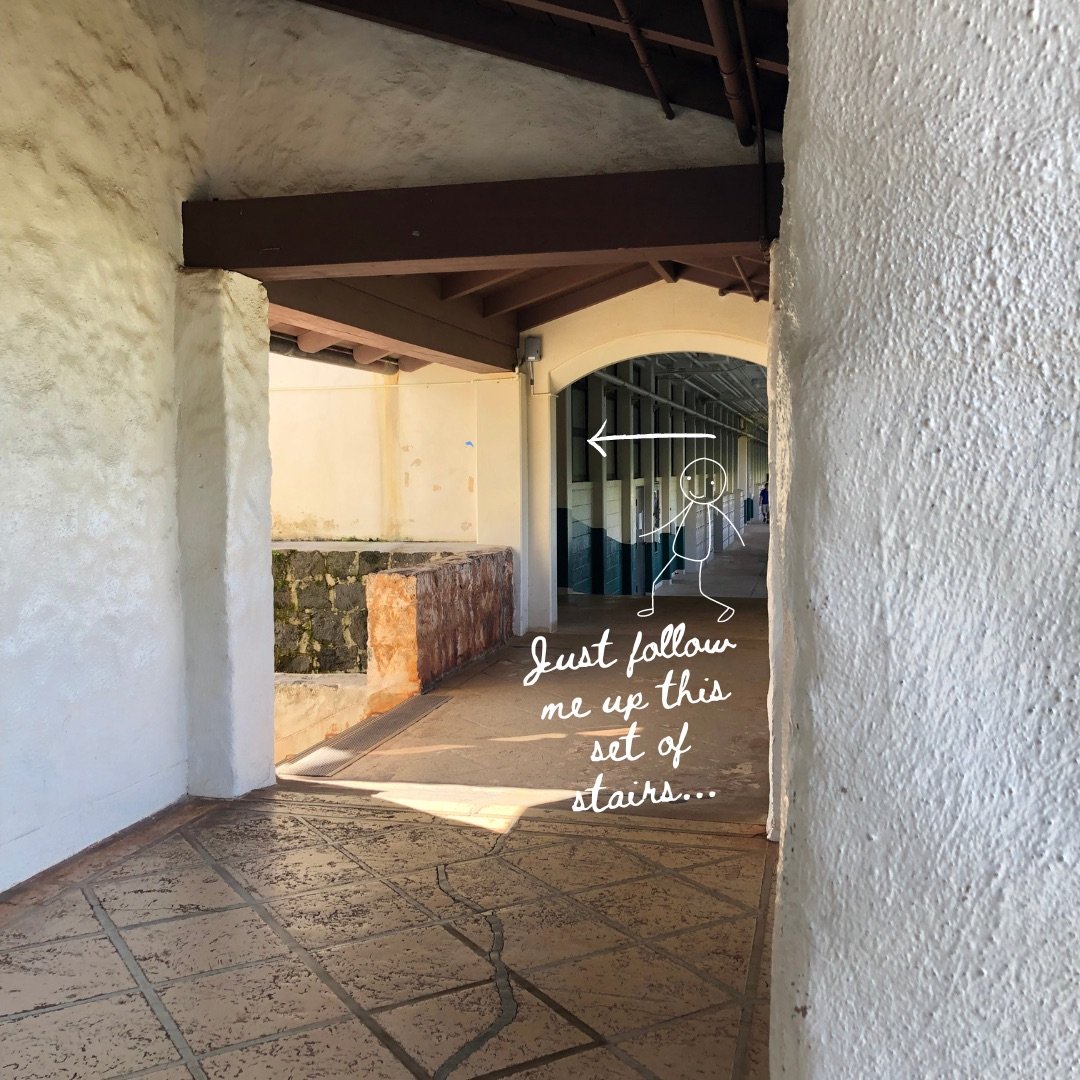
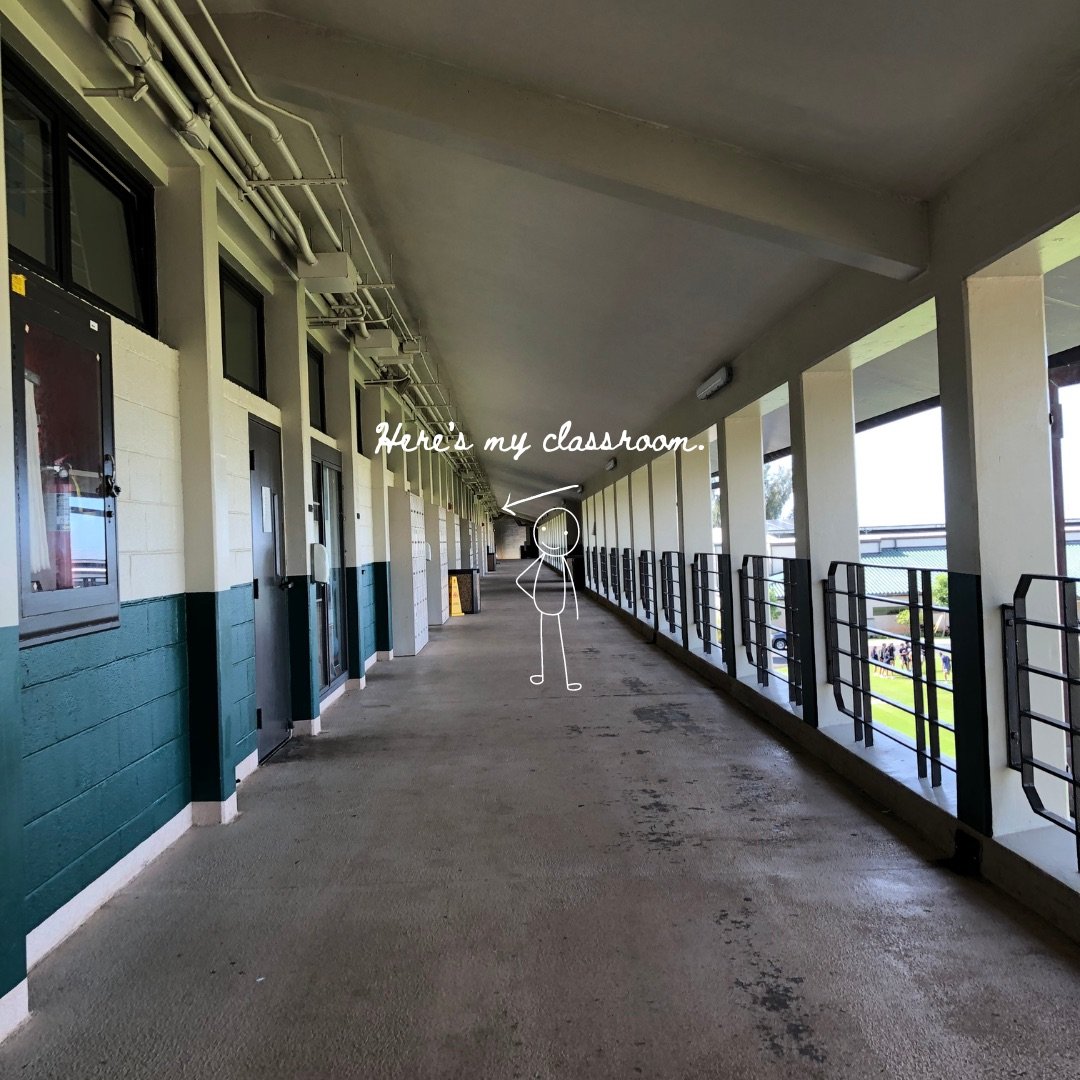
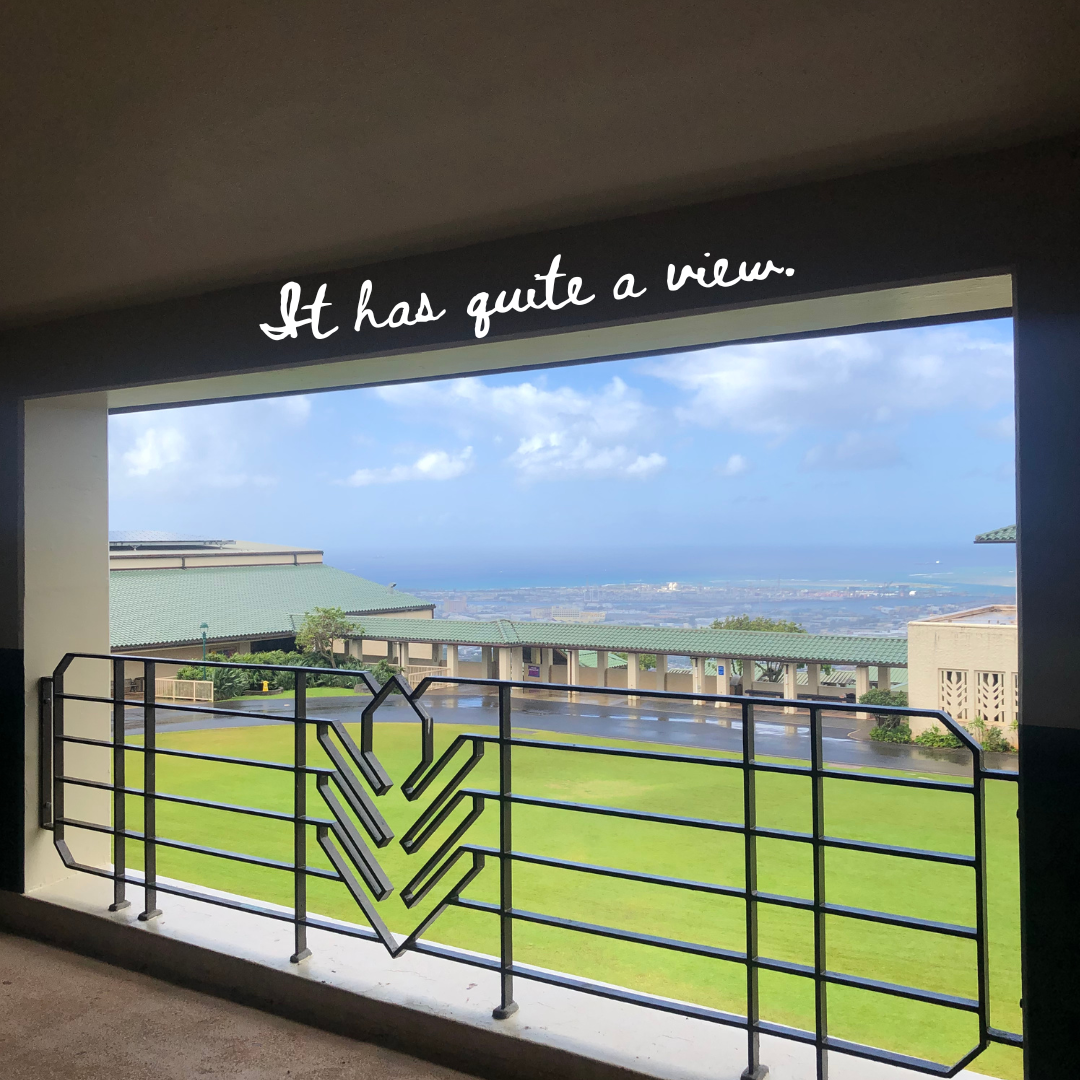
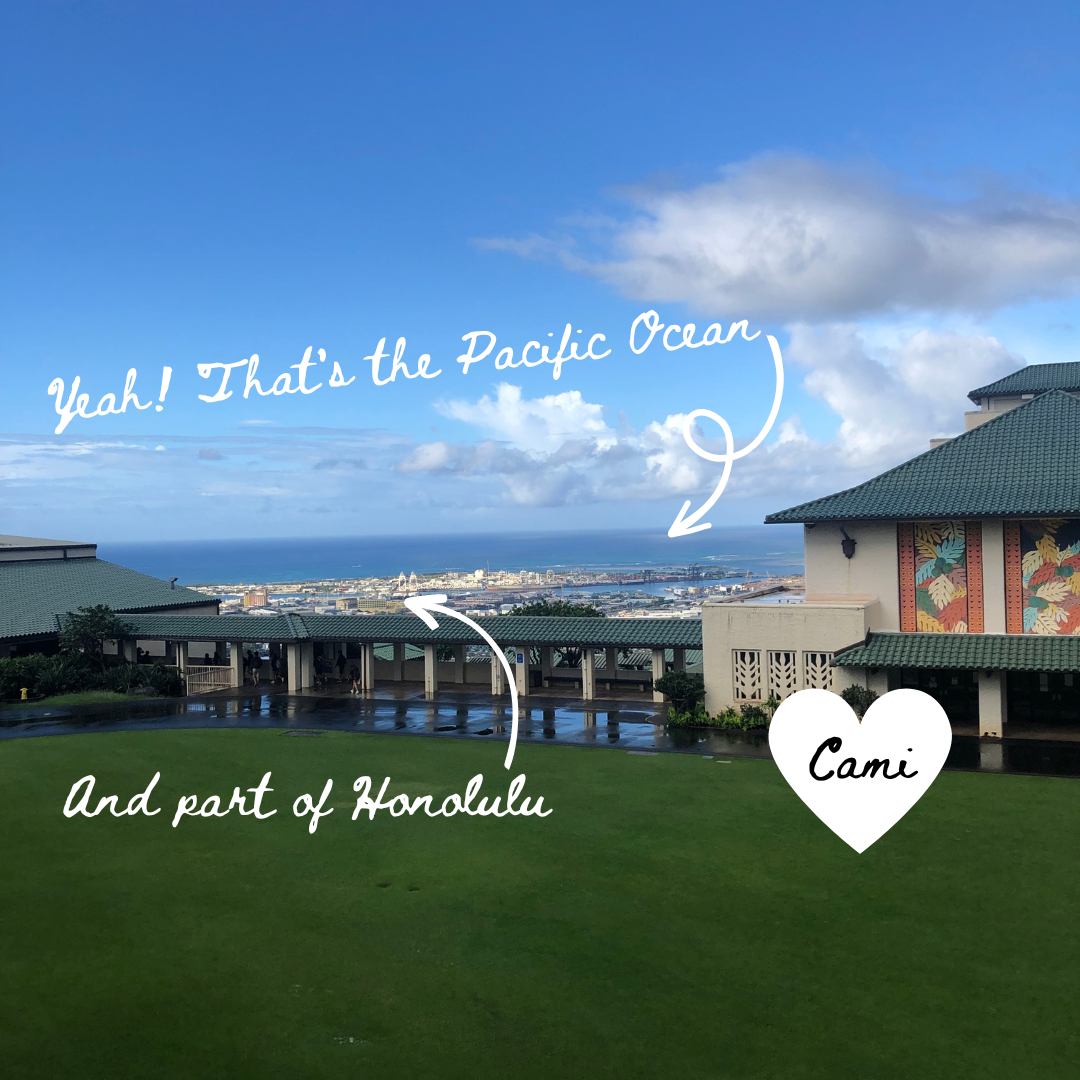
First, kids are kids no matter the year. Granted, the 13-and-14-year-old students I was attempting to impart wisdom about Shakespeare’s The Tragedy of Romeo and Juliet were eleven when they were forced home for Covid. So their sixth-and-seventh-grade years (a primary time in learning communication skills) were spent behind computer screens (and believe me it showed). I got them journals to decorate and make their own and each class we spent writing for the first ten minutes. Then—to practice our social skills—we “turned and talked” and like any teen, they fell right into that activity. It took a bit of time to get them to share with one another, but after a week or so, it began to feel safe, normal even. Teens are awesome people. They’re funny, they’re pragmatic, they’re focused (on what they’re interested in), and like all people, they're social.
Sometimes I get so far into my head, I forget the socialization part of life. I’m a self-professed introvert. I am content in my home, in the space I’ve made for myself, in the routine that I’ve created to address my work (writing, editing, book life, and taking care of the dogs and cats). I’m content to text with my friends and set the phone down. This isn’t a knock on my friends or human interaction in general, just a truth about my identity. I am content being alone. But walking into the classroom and observing the students reminded me how important socialization is. How critical it is to interact with others in order to grow my perspective, challenge my norms, push me outside of the comfort zone. I’m better for it. Just like the students, I have to make time to “turn and talk”.
“Make the time to ‘turn and talk’.”
Second, I remembered immediately how much mental capacity is necessary to be a teacher. Goodness gracious. There’s creative work of designing the curriculum and making sure it’s got enough critical-thinking meat as well as age-appropriate relevance. Then there’s the creativity in doing the same for each class-period lesson. Then there’s the all-encompassing act of assessment, whether it's the informal observation in the classroom, the formative assignments, or the summative tasks to showcase skill growth, a teacher is always “on” both inside and outside of the classroom, and it’s exhausting. From the classroom management, to the planning and assessment for each learner, to the research—and while I didn’t have to attend all those meetings—there are all those meetings that really have nothing to do with the day-to-day job, but the bigger picture of teaching and learning.
I had a conversation with one of my former colleagues (yes, this is the school where I used to work full time before leaving to write full time) who expressed the day-to-day struggle. Having been teaching for fifteen years, *they indicated a sense of bone-weary exhaustion. Is it a wonder? The amount of mental capacity it takes to do the job coupled with the struggle of external perception that “teachers don’t do enough” along with administrations who add to the plate for “accountability” is not only disheartening, but drains the well dry.
When I sit down at my writing desk everyday, I feel joy. The act of creating, of telling a story or sharing my thoughts, is fulfilling. I might be poor, but I am so content doing this work. And while that creativity does draw from the well, this is a choice I make each day. I’m accountable to myself, to my own perception of what’s going to build and present my best work. This conversation with my colleague reminded me how unfulfilled I felt as a teacher. Don’t get me wrong, there were absolute moments of fulfillment. That moment when all the work that went into that unit and specific lesson hit all the right notes, when I got that student essay that nailed it, when I had a real conversation with a student that helped them through something, or the plethora of moments with colleagues when we laughed and planned and continued through the struggle together. But overall, my mind was always thinking about writing. Makes sense—it was what I was born to do. And that—time spent pursuing my passion—is so affirming.
“You canʻt ever go home again”
Finally, Thomas Wolfe in his 1940 novel by the same title wrote, “You can’t ever go home again.” I disagree with the sentiment. We need to go home again. It’s true that when we return home, we return with a new perspective, therefore we aren’t able to capture that experience with the sameness of our memories. It’s impossible because we are changed. New perspective allows you to see with new eyes, while at the same time grounding you to something familiar. Returning to my former school allowed me this renewal. I returned with three years of independent authorship and entrepreneurship added to my vitae, and while that impacted my experience of walking back into the classroom, being a teacher again offered me the familiar feeling of being good at something once more when authorship doesn’t provide that immediate feedback.
As I was standing in the hallway greeting students as they passed, welcoming my students to the classroom, one of the vice principals walked past. It was my last official day in the classroom, and we exchanged chatter about it. *They continued on, but then stopped and backtracked toward me once more. “I wanted to tell you,” they started and expounded about a teacher group I was a part of with them before I left. We reminisced about the power of that group, and the change we were able to enact because of our work. Then they said, “All that to say, you made a big difference in our school. Thank you.”
I don’t take compliments well. Never have (Iʻm sure there’s a bunch of psychology behind this), and I felt speechless. It was such a nice thing to say, and this person didn’t have to backtrack to offer it to me. I walked into the classroom, pondering it. I think perhaps I even attempted to discount it, but it couldn’t be dismissed. I had to take that sweet sentiment and allow it to bolster me. And it did. It reminded me that risk-taking for the greater good is a very important part of my identity. So perhaps you can’t go home again unchanged, but home often has a way of reaffirming ourselves and strengthening our purpose.
So, friends, I return to my writing desk full time, surrounded by my furry co-workers—Ruby, Haupia, Cheese, and Happy—ready to face the quiet of my writing life, excited to face it, and grateful for having taken the time away to refill the well in a different capacity.
A heads up:
I will be moving over to SubStack for additional content. While you’ll still have access to this weekly blog, perhaps consider subscribing to my substack for up-to-date news and additional writing excerpts meant to entertain.
*They denotes a singular person and is used to protect their identity.
Cantos Love: Happy Anniversary!

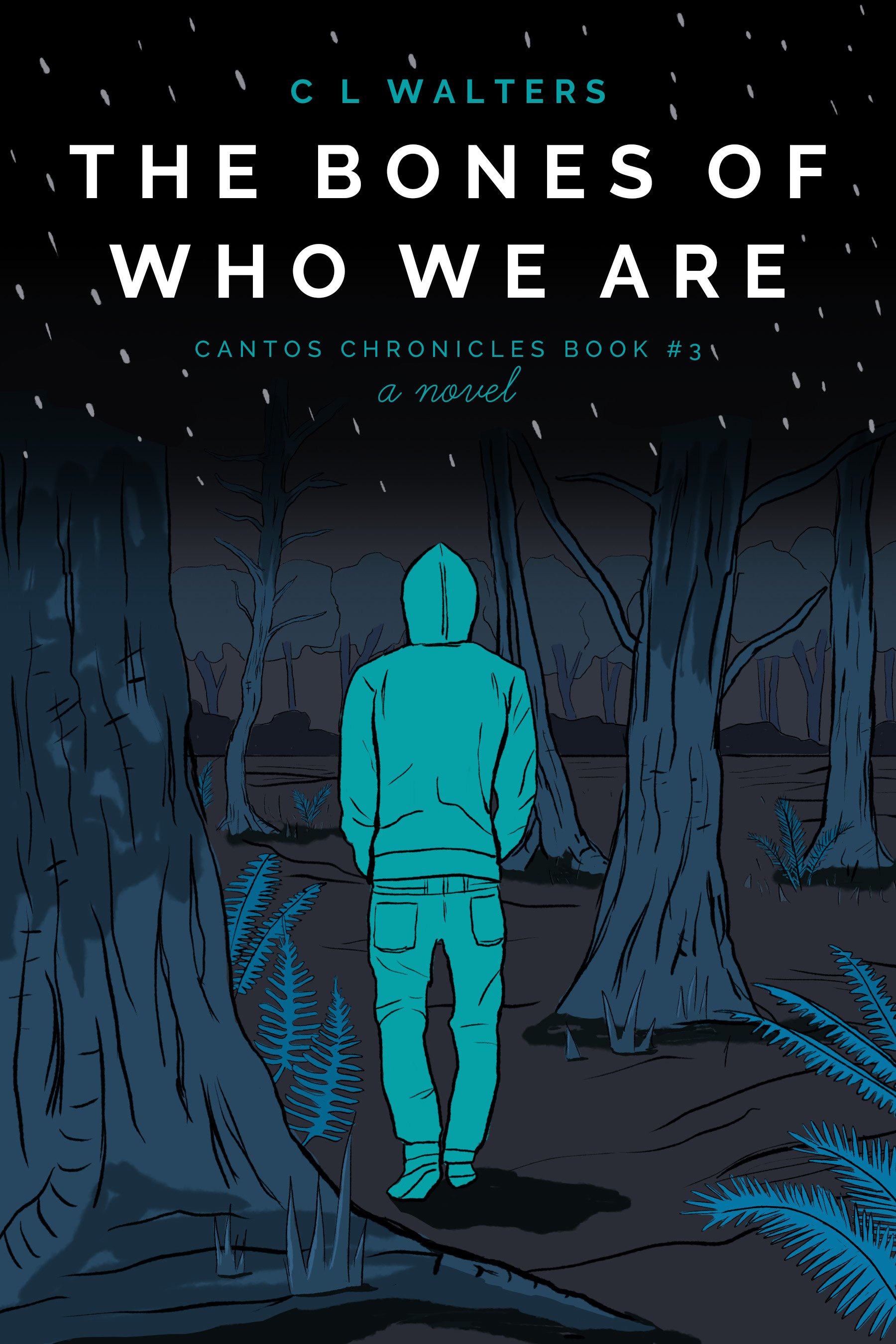
Happy Anniversary Cantos Chronicles (photo of book stack: Swimming Sideways, The Ugly Truth and The Bones of Who We Are)
Thank you all for the love you’ve shown this series and these characters over the last three years, I am truly grateful.
Praise for Swimming Sideways:
“I adore this book. I fell in love with the characters immediately- with Abby and her family, and the complicated history and relationships with Seth and Gabe.” M. Wish, Amazon Reviewer
“SWIMMING SIDEWAYS features a classic (and very well done) love triangle, complemented by the main character's internal conflict, which is fueled by a loss of connection with her Hawaiian heritage. It's a perfect example of how diversity can enhance and improve the young adult genre.” Stephani H, Indie Reader Reviewer
Praise for The Ugly Truth:
“Before reading the Cantos Chronicles, I had never read a series of books following the same timeline of events. Well... I am so glad I decided to read it. Thanks to The Ugly Truth I learnt that characters from CL Walters books are never just good or bad. They're all so beautifully complex that each one of them deserves his story to be told.” Paola, Amazon Reviewer
“Fantastic book. I will say I was so concerned about how the book would end, that I found myself speed reading. Since, at times, it went over identical dialogue from the previous book, I didn’t feel as guilty. The ending will have you buying the next book before you take your next breath.” Rayna, Amazon Reviewer
Praise for The Bones of Who We Are:
“This novel was a raw and honest depiction of one of the greatest struggles people face today—how to make peace with and find freedom from the demons of our past. It is intricately woven narrative that explores the intrinsic value of a human being, the search for identity, the power of forgiveness, and the strength in hope. C.L. Walters approaches issues head-on that many people avoid and does so with intentionality and grace. Ultimately, she introduces a perspective shift on pain and the hope that comes with understanding that we are all deserving of love.” S. McClellen, Amazon Reviewer
“The last story int he Cantos Chronicles was wonderful! We get yet another POV this time Gabe. This story was so heart breaking that I just couldn't put it down. I loved the journal entries and each chapter was surprise after surprise. This entire story was just so shocking and because I had my own brush with suicide I felt so much for Gabe. I think that readers will enjoy this trilogy as a whole as they ride the highs and lows of these amazing characters.” Crossroad Reviews
Cantos Love: Gabe
I just recently returned from a trip home… my first home, I should say, Oregon. It was a visit with family. reconnecting with many people I hadn’t seen in years. The trip made me think of Gabe, of The Bones of Who We Are and his mental and emotional journey back in time. (Definitely check the trigger warnings if you dive into that book). There’s a saying that “you can’t go home” again… and maybe that’s true in the sense when you do return home you are changed . . . but I do think there is power in returning home—just like any hero’s journey and the return with the elixir (in this case knowledge and experience).

As I write this—March 21—it’s Gabe’s birthday—and I’m on an airplane returning to my new home. I am getting ready to dive into the next newsletter installment of The Wedding Assignment (in which he returns with everyone else from The Cantos Chronicles). I’m having a lot of fun writing these characters as adults, but you can only read it in the newsletter.
Want to read more Gabe?
Here’s a link to the letters (his is included here).
Here’s a bunch of posts I put together when I first marketed this story (the cover is different!)
5 Thinks to Know About Gabe and 5 More Facts and 5 Reason Gabe thinks he’s a monster
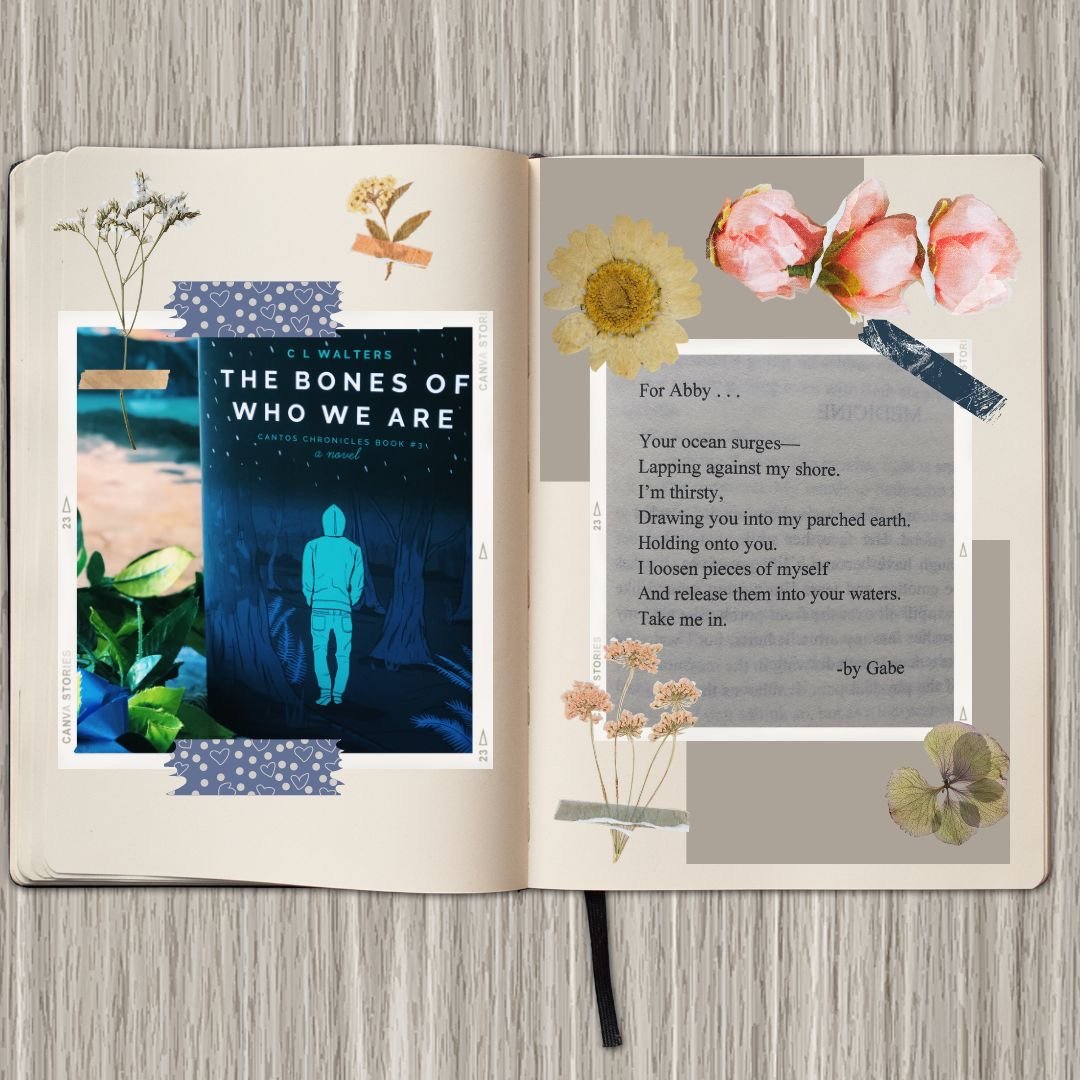
The Bones of Who We Are Playlist (the list) and here’s a link to the Spotify list)
Where you can find Gabe:


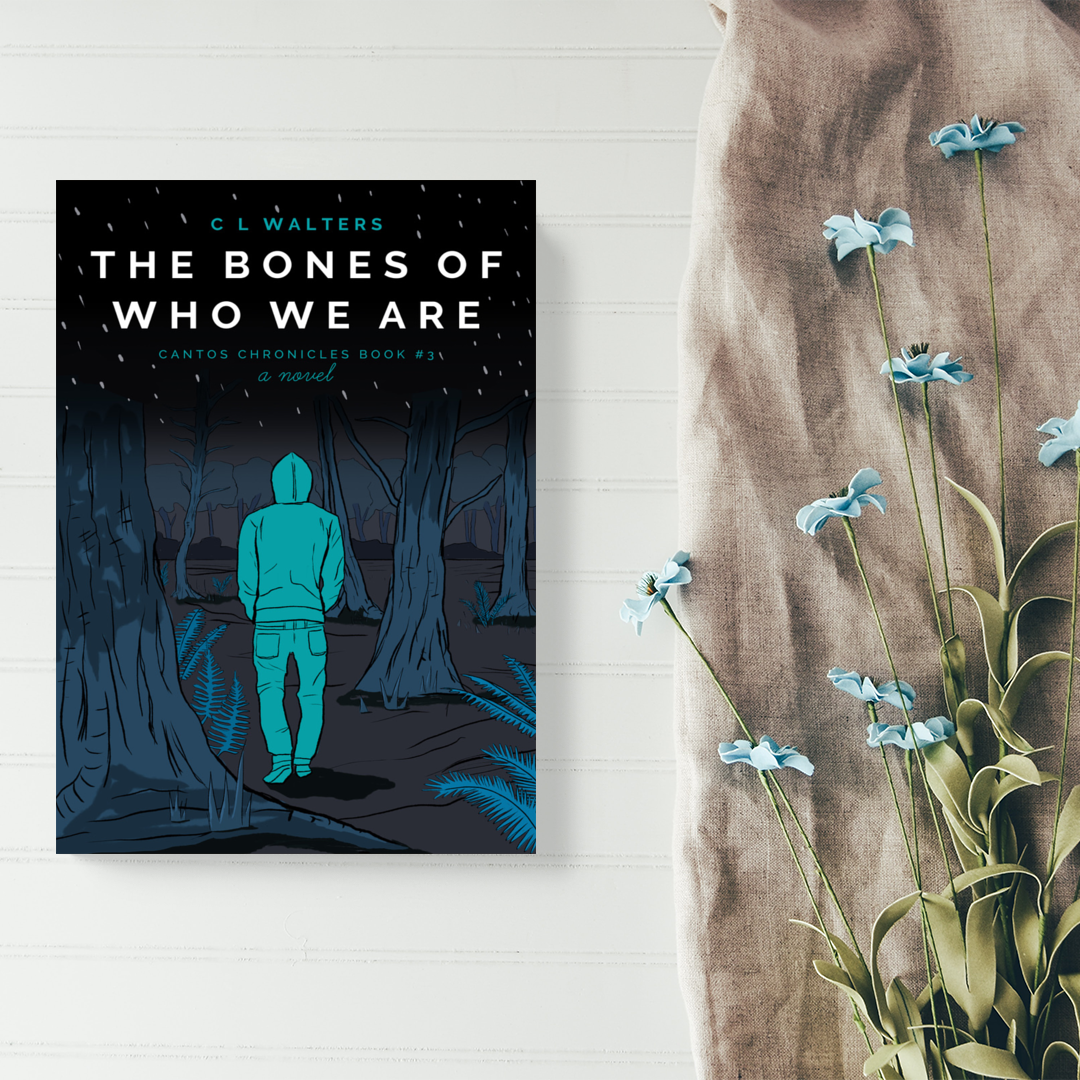
Cantos Love: Seth
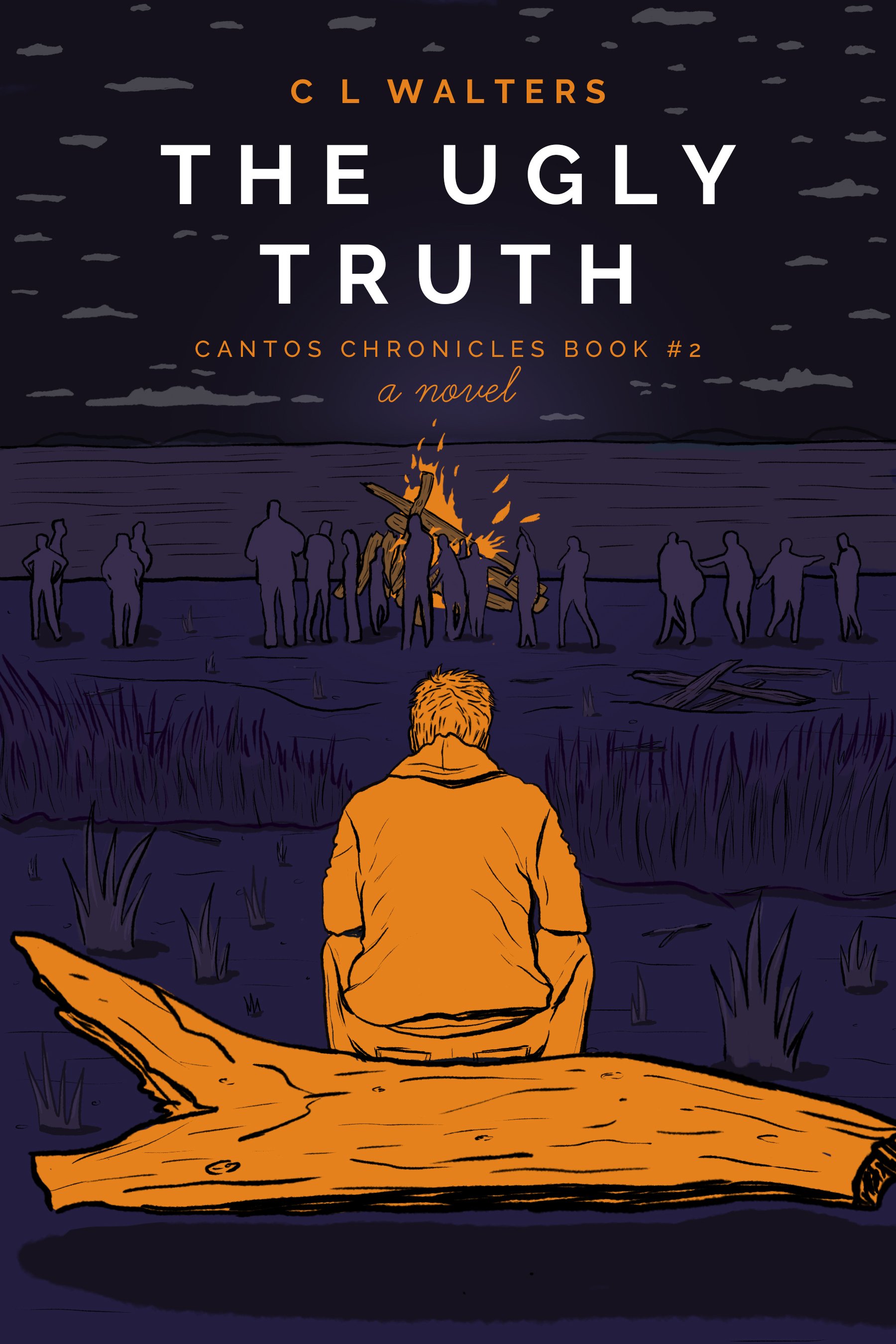
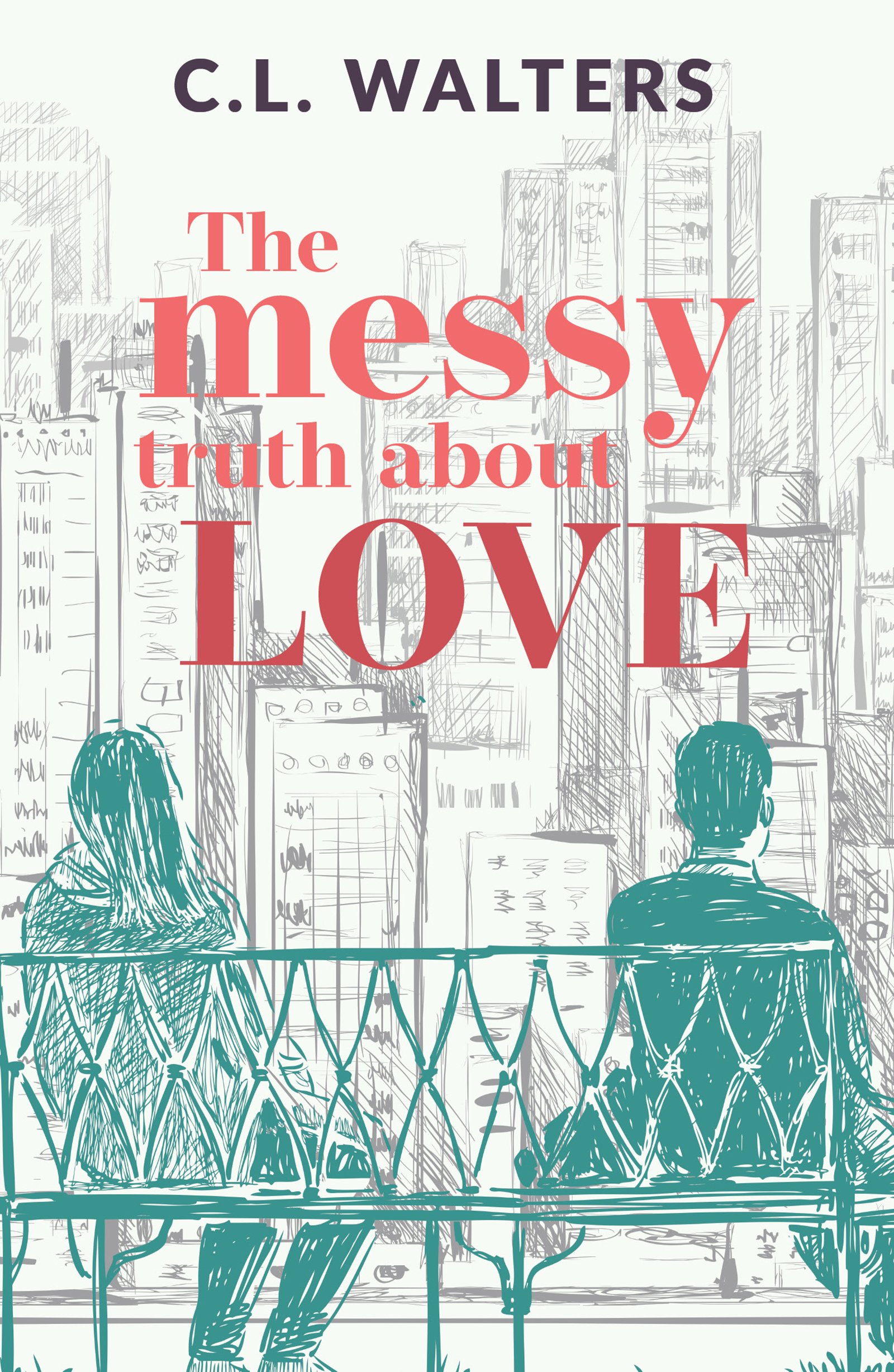
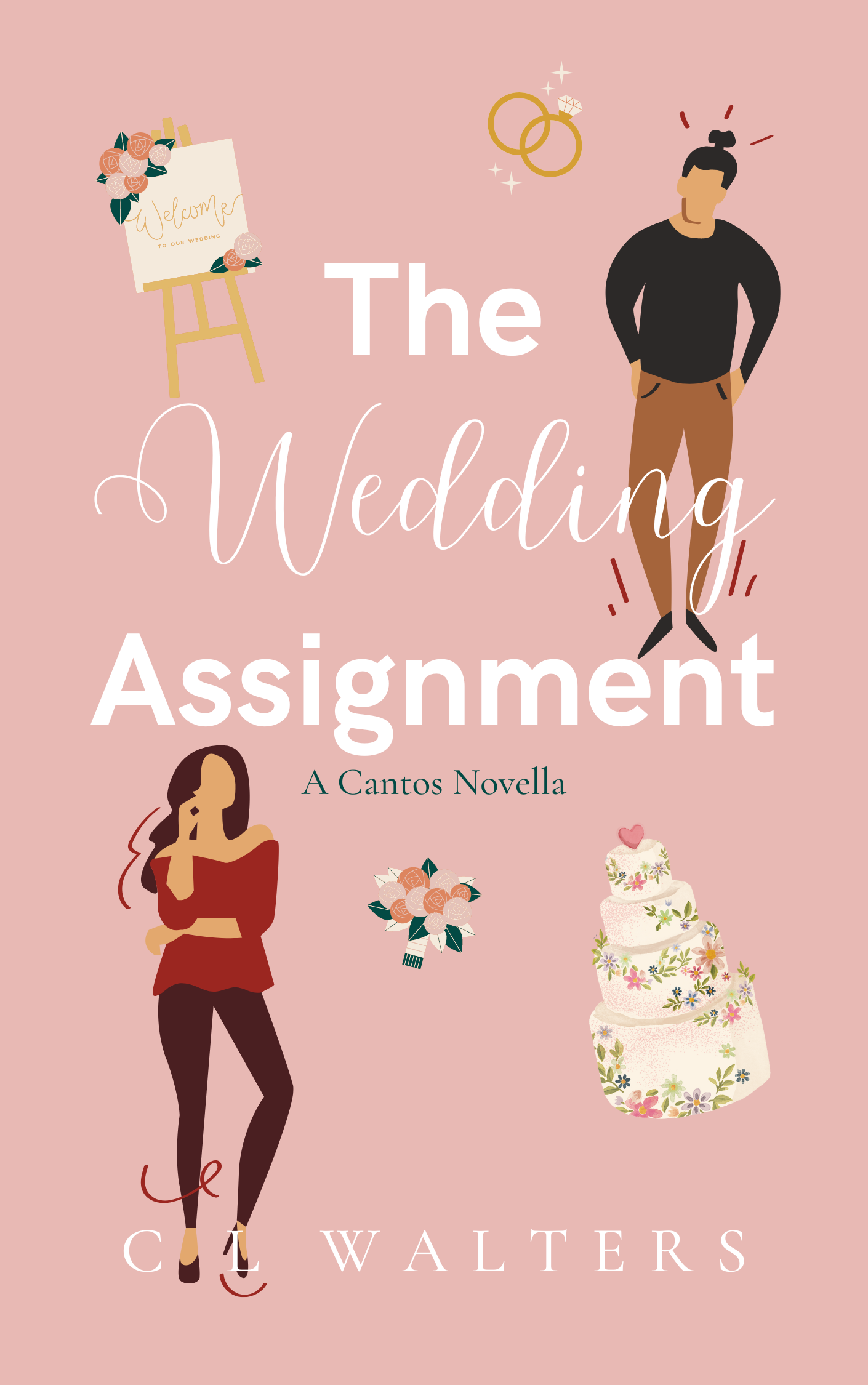
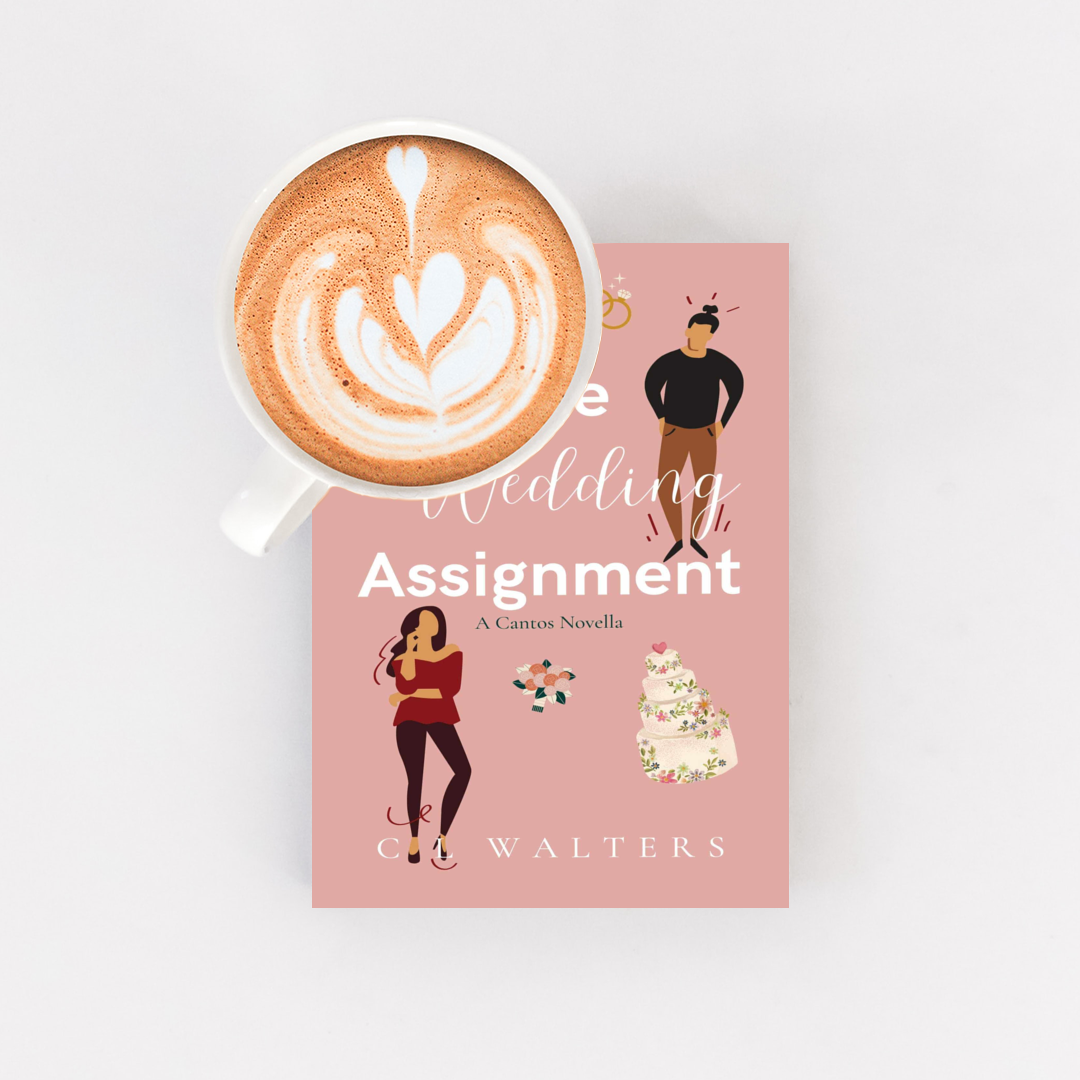
I have a secret. Come a little closer… Seth is one of my favorite characters. Shhhh. Don’t tell the others. But the proof is in how many different works he’s made his way into. He starred in The Ugly Truth, and was a secondary character in Swimming Sideways and The Bones of Who We Are. Then he showed up starring in a second novel, The Messy Truth About Love. And now he’s made an appearance in the new novella I’m publishing in my newsletter, The Wedding Assignment. The only other character to make so many appearances is Tanner from The Stories Stars Tell. I must have a thing for the broody and slightly villainous. Okay. Maybe an overstatement. Morally gray? Probably better.
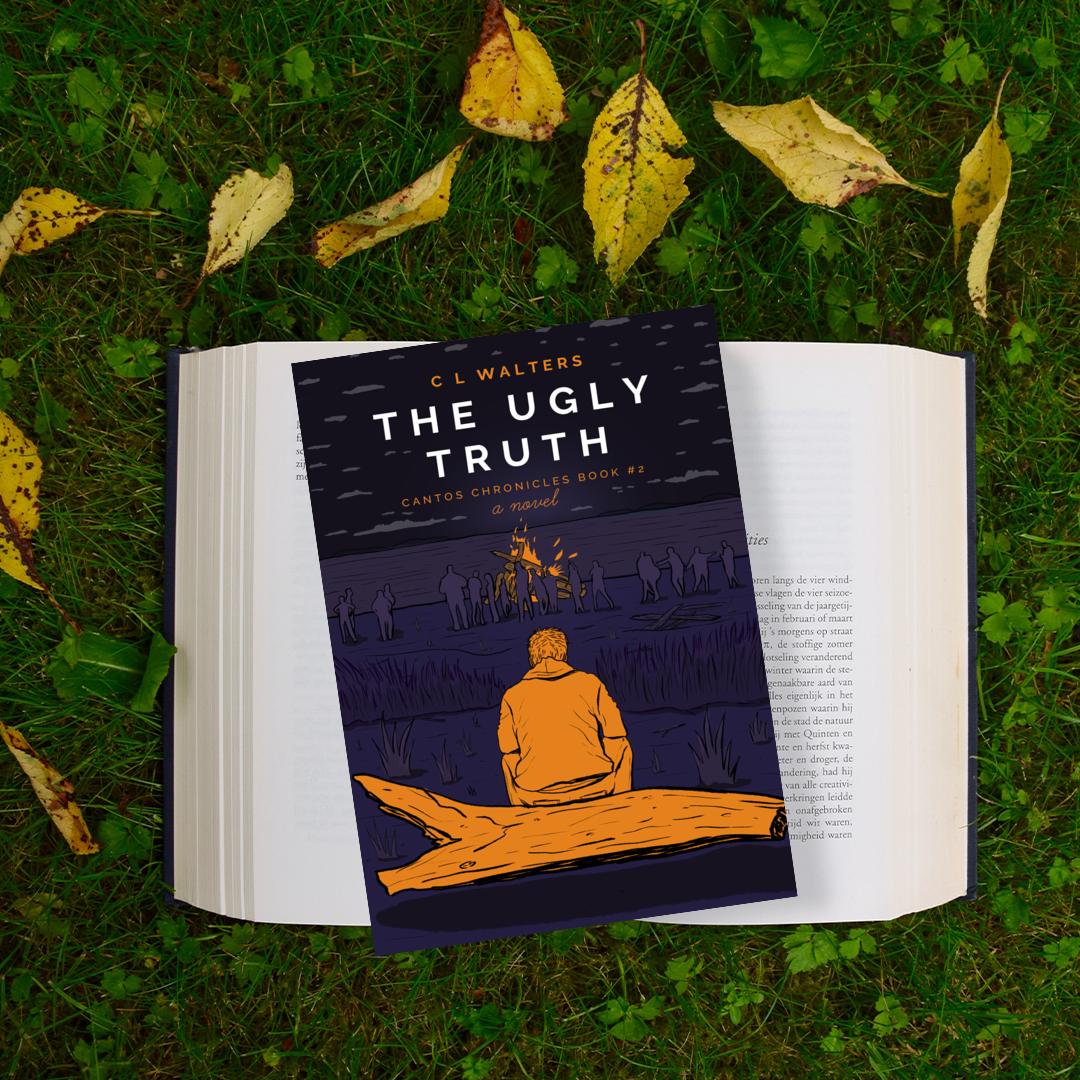
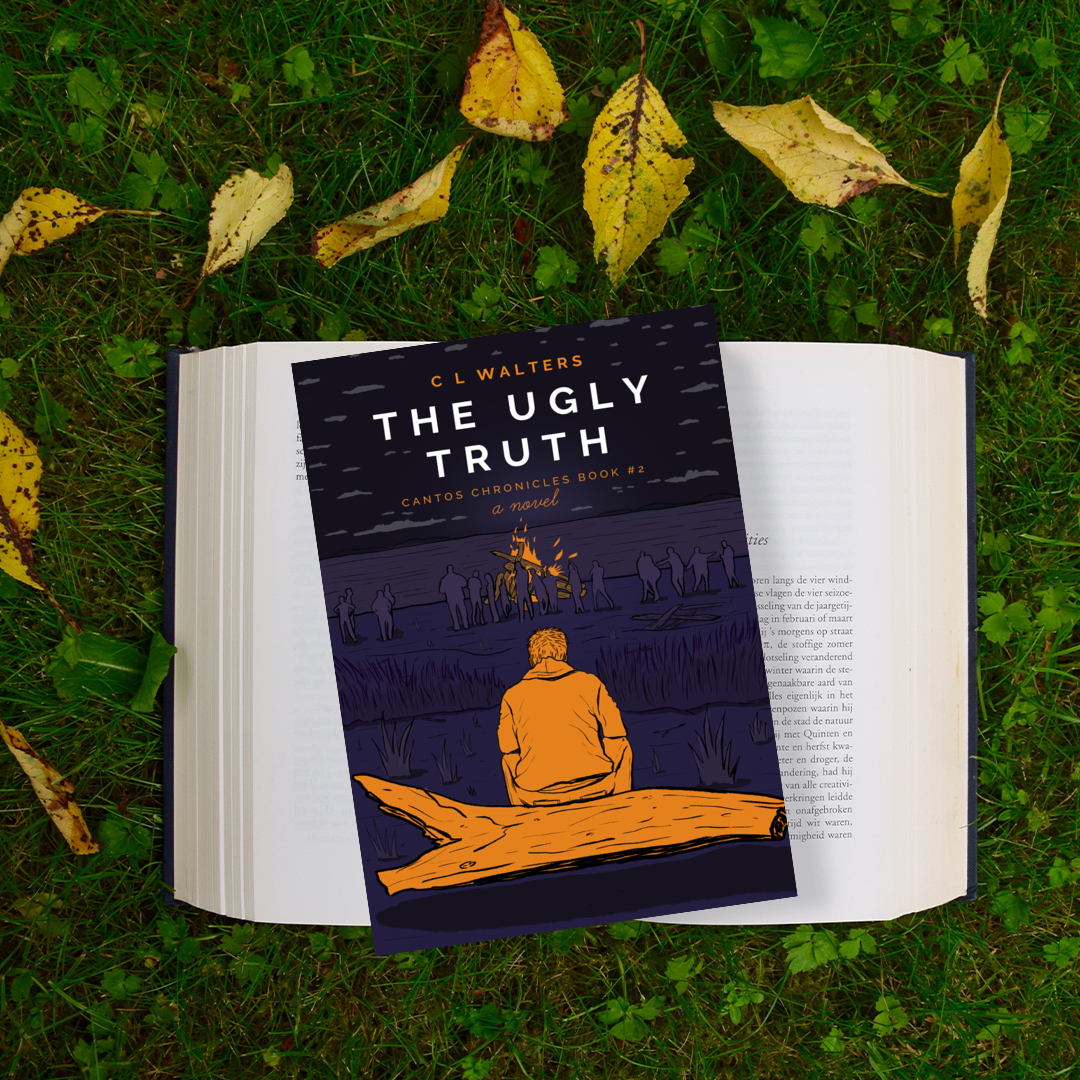
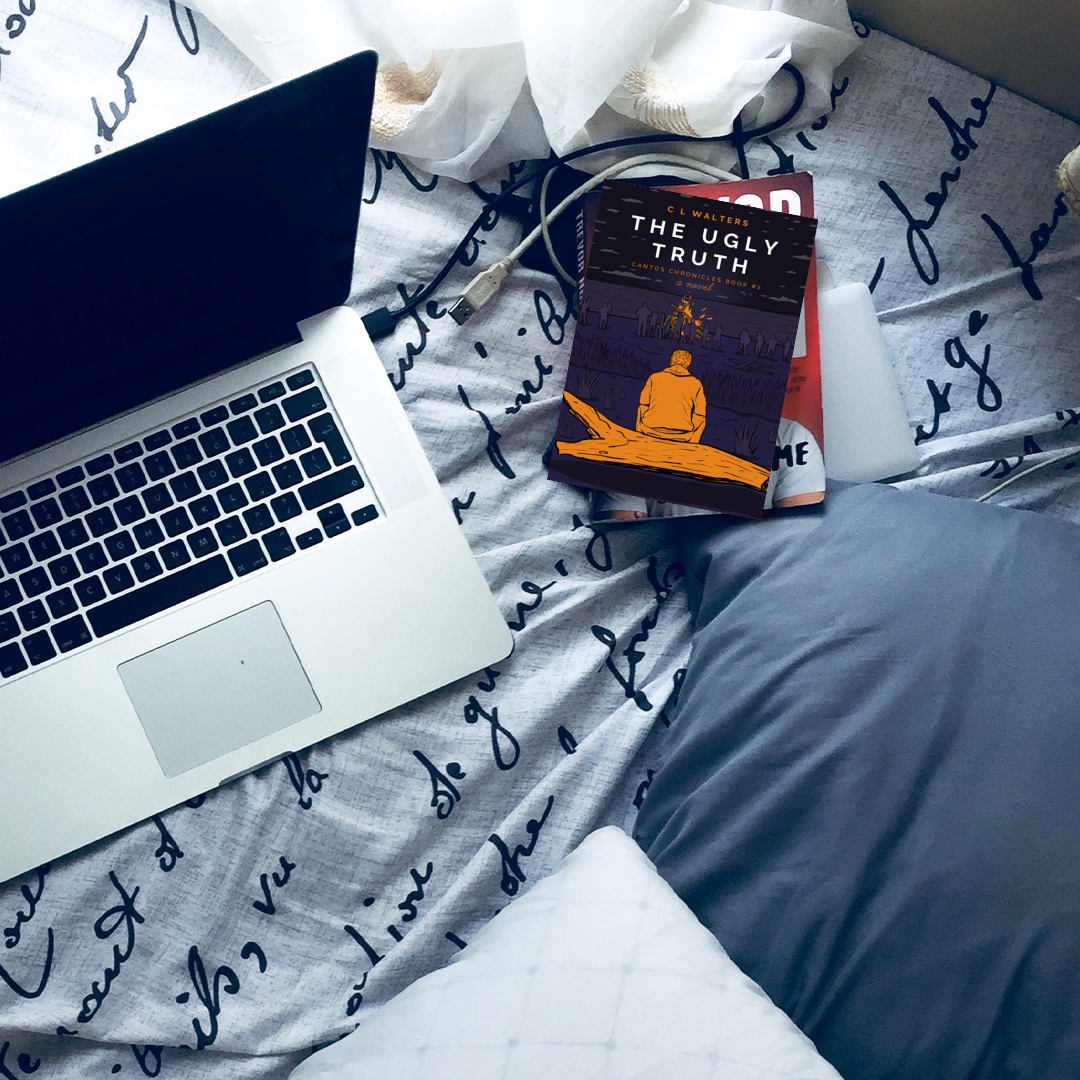
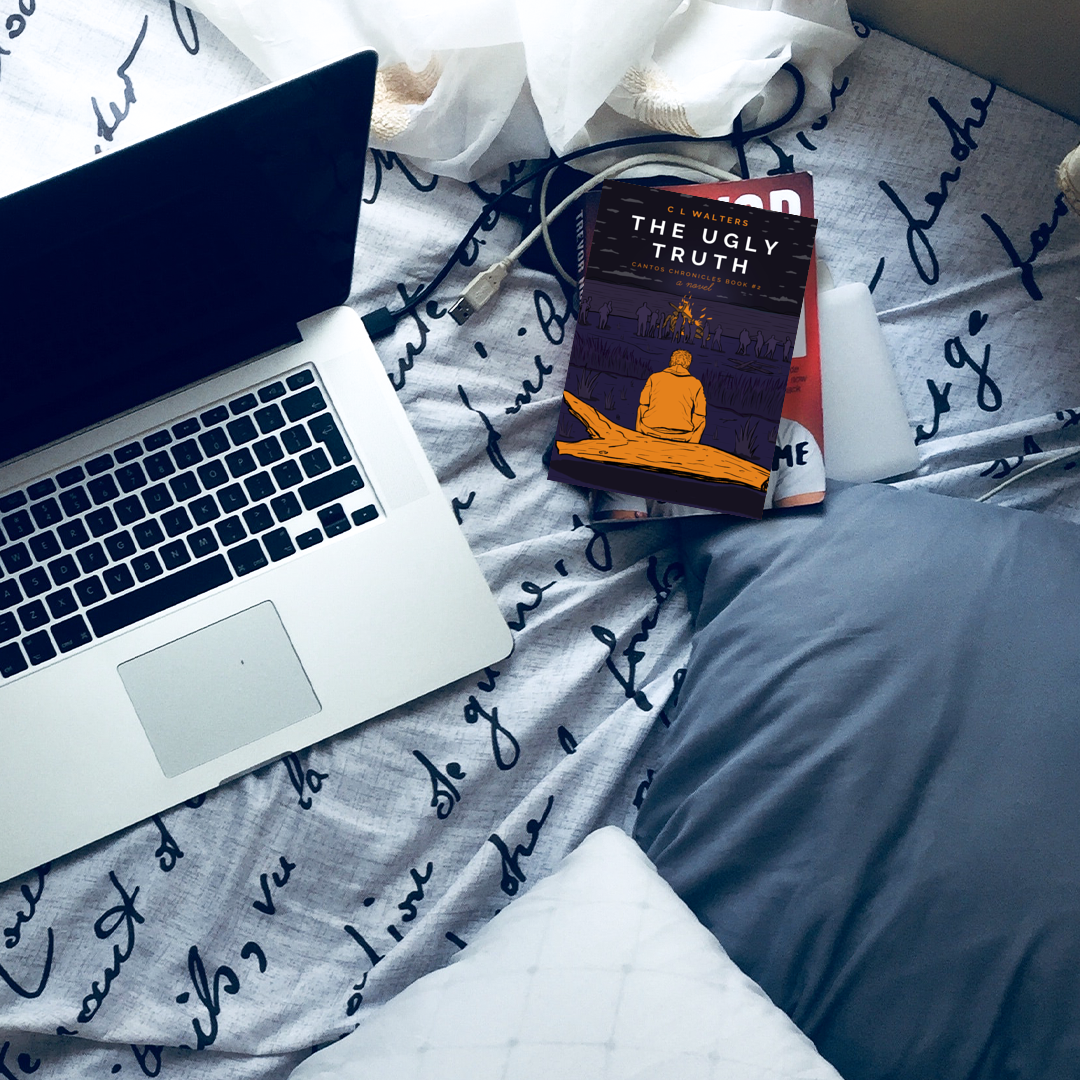
In honor of three years, here are the character letters reposted from our Cantos Crew: Abby, Seth, and Gabe.
There’s a link to The Ugly Truth Spotify playlist (definitely check out my favorite track, Ayahuaesca by Vancouver Sleep Clinic).
Do you have a favorite character from the Cantos Chronicles?
Cantos Love: How They Came to Be
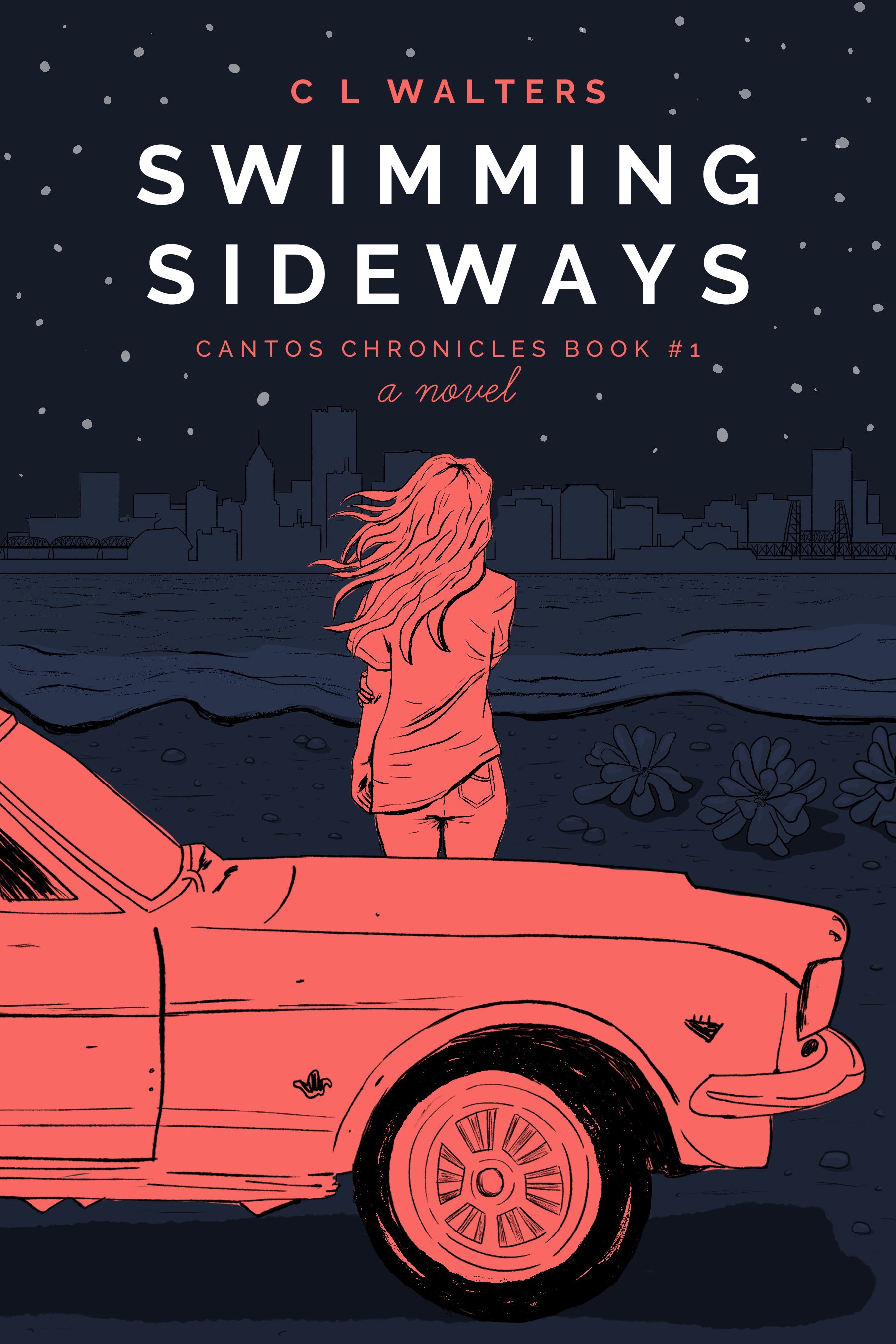
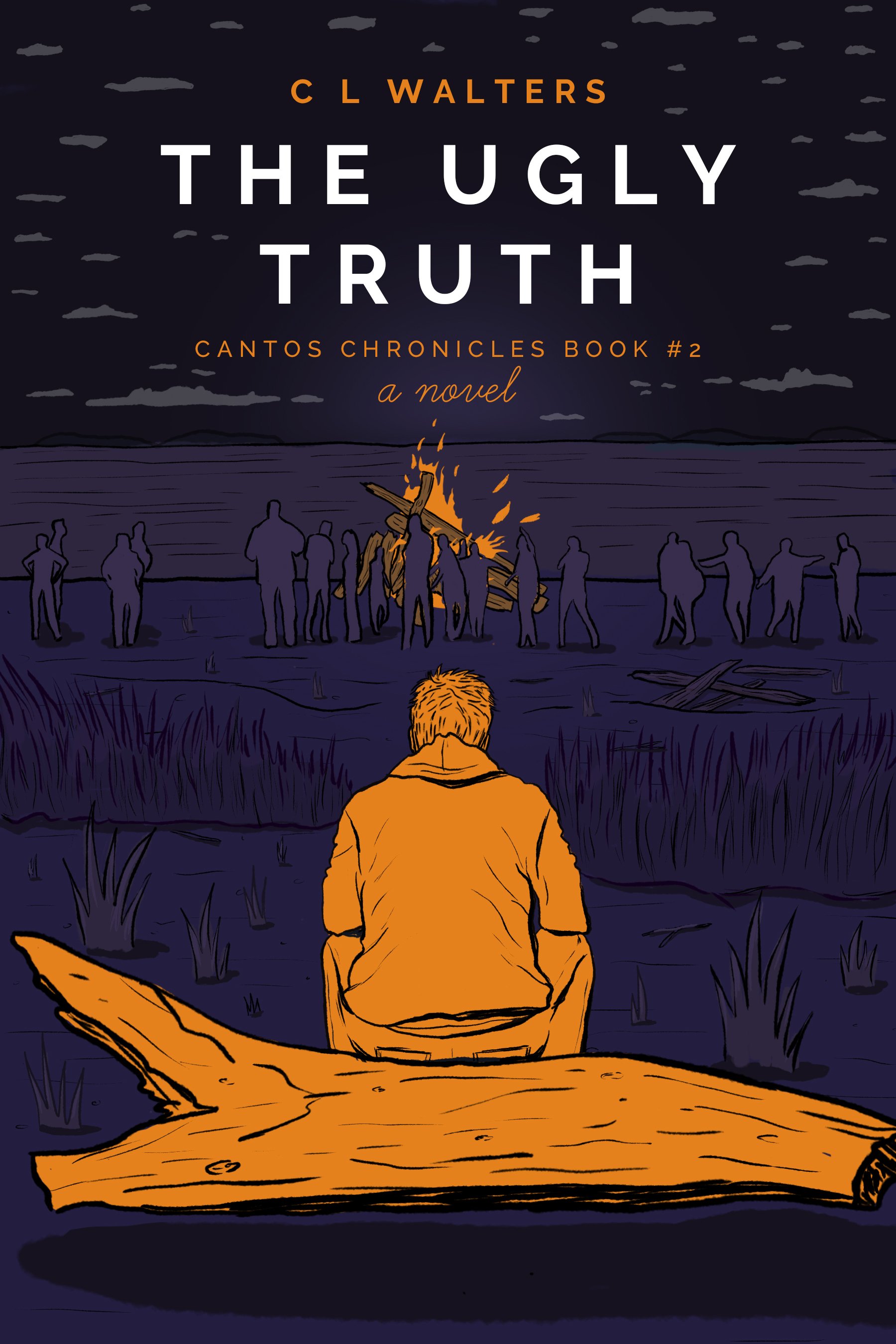
For anyone that’s been following my writing journey, you’ll know that the 2018 version of Swimming Sideways didn’t start out as a contemporary coming-of-age story but as a 2008 paranormal fantasy called Fallen (That’s a link to that original story). After facing a plethora of rejections, I put this story away and moved away from writing believing that I just must not be good enough. Rejection—at the time—did a number on my self-confidence—but Abby, Seth, and Gabe didn’t stop talking to me regardless of my insecurities. So I wrote The Ugly Truth abandoning Fallen with the belief that perhaps Fallen had always been Seth’s story after all. That is when the paranormal fell away and The Ugly Truth became a contemporary coming-of-age story. I queried again. Only this time, after even more rejection, I stopped writing.
Fast forward several years, my father unexpectedly passed away.
Grief did strange things to me, and one of those things was forcing me to return to the one place I felt comfort, like the best version of myself. Writing was the one place that offered me solace amidst the grief. During that first year, I remember looking in the mirror and asking myself, “if you only had today, are you doing what you were meant to do?” And I knew that while I was doing something I was good at, writing had always been my passion—my calling. That awareness now alive inside me, within the next week, I was sitting in my car at a stoplight and Abby spoke up: “It’s time to write my story,” she said.
So I did. Finishing Abby’s story, Swimming Sideways, helped me fix Seth’s, The Ugly Truth, and suddenly Gabe started talking, and The Bones of Who We Are was written.
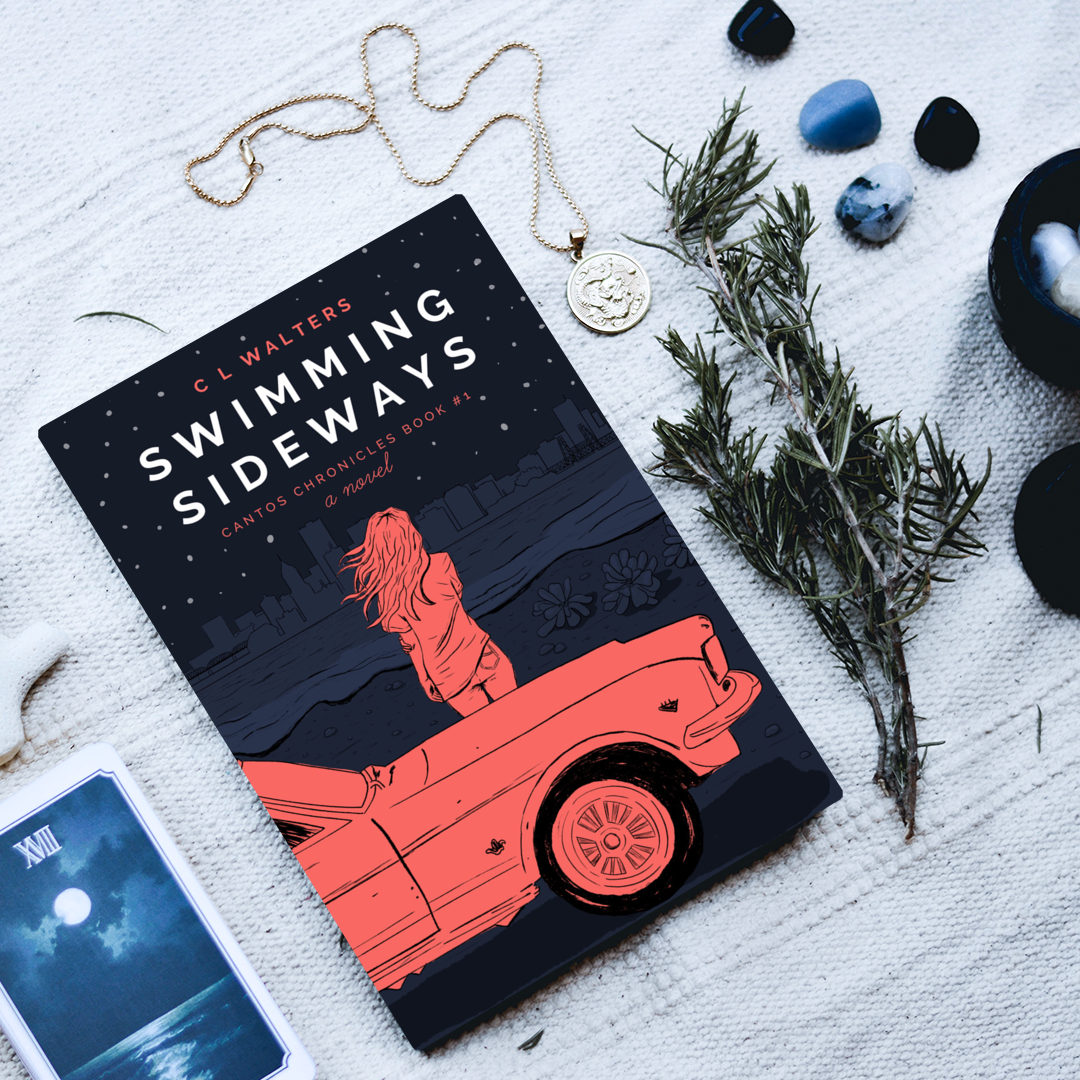
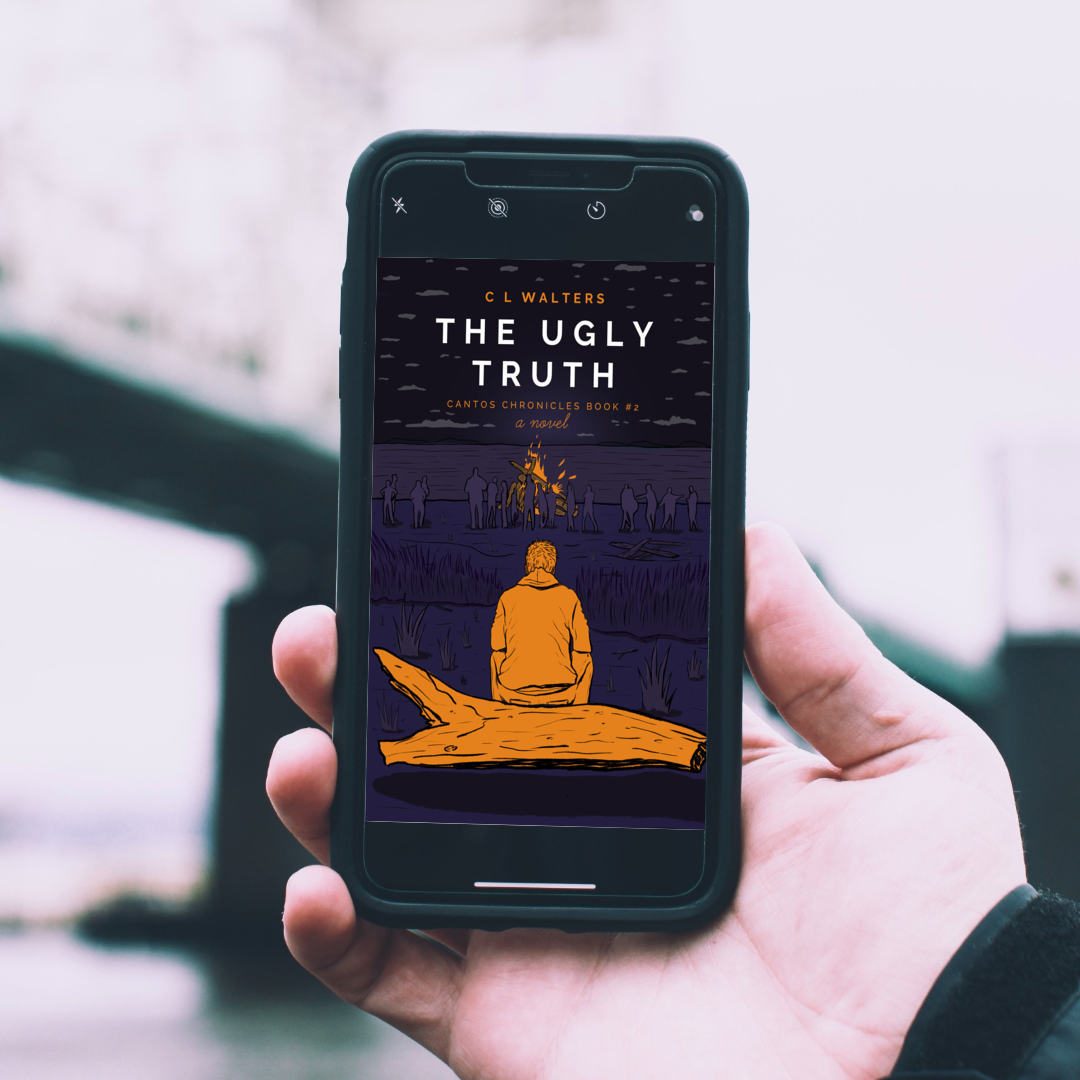
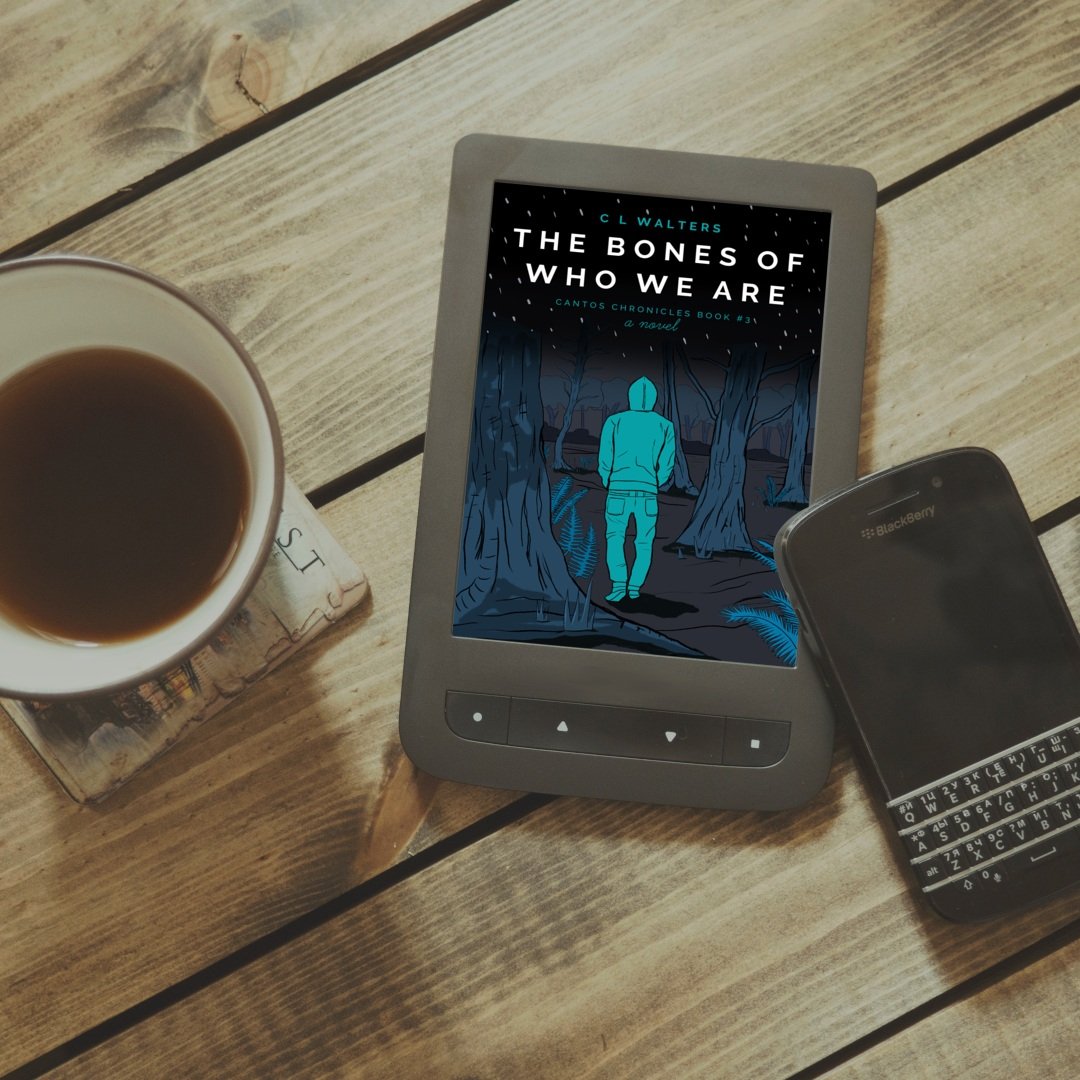
These stories go together—it’s hard to read one without the context of the other. Abby’s story, Swimming Sideways, is first because her story is the catalyst that brings change to Cantos, to the reality of what has become the norm for Seth and Gabe and Cantos High. But because she brings that change, Seth and Gabe can’t stay the same. Seth’s story The Ugly Truth is the follow up to Swimming Sideways and explores how that change manifests in his life (check the trigger warnings), but Seth’s change doesn’t occur in isolation, impacting Gabe in The Bones of Who We Are and pushing him toward his own change (check the trigger warnings). Each story is told from the perspective of one of the three characters, each offering their version of the story.
I’m really proud of these stories, of forcing myself to push through the the insecurities, the doubt, and the imposter syndrome to see these three books published. While it didn’t happen when I thought it would, these books getting finished and published happened when it was supposed to. Timing, sometimes, is everything.
If you haven’t read these stories, Abby kick things off, here’s with a letter introducing you to her journey.
And if you’ve read all three of these books, you might enjoy these short vignettes from In the Wait (but there are spoilers if you haven’t read the books).
Cantos Love: A Month of Cantos
It’s Cantos Month! Three years ago this month, The Cantos Chronicles were rereleased with their new covers!
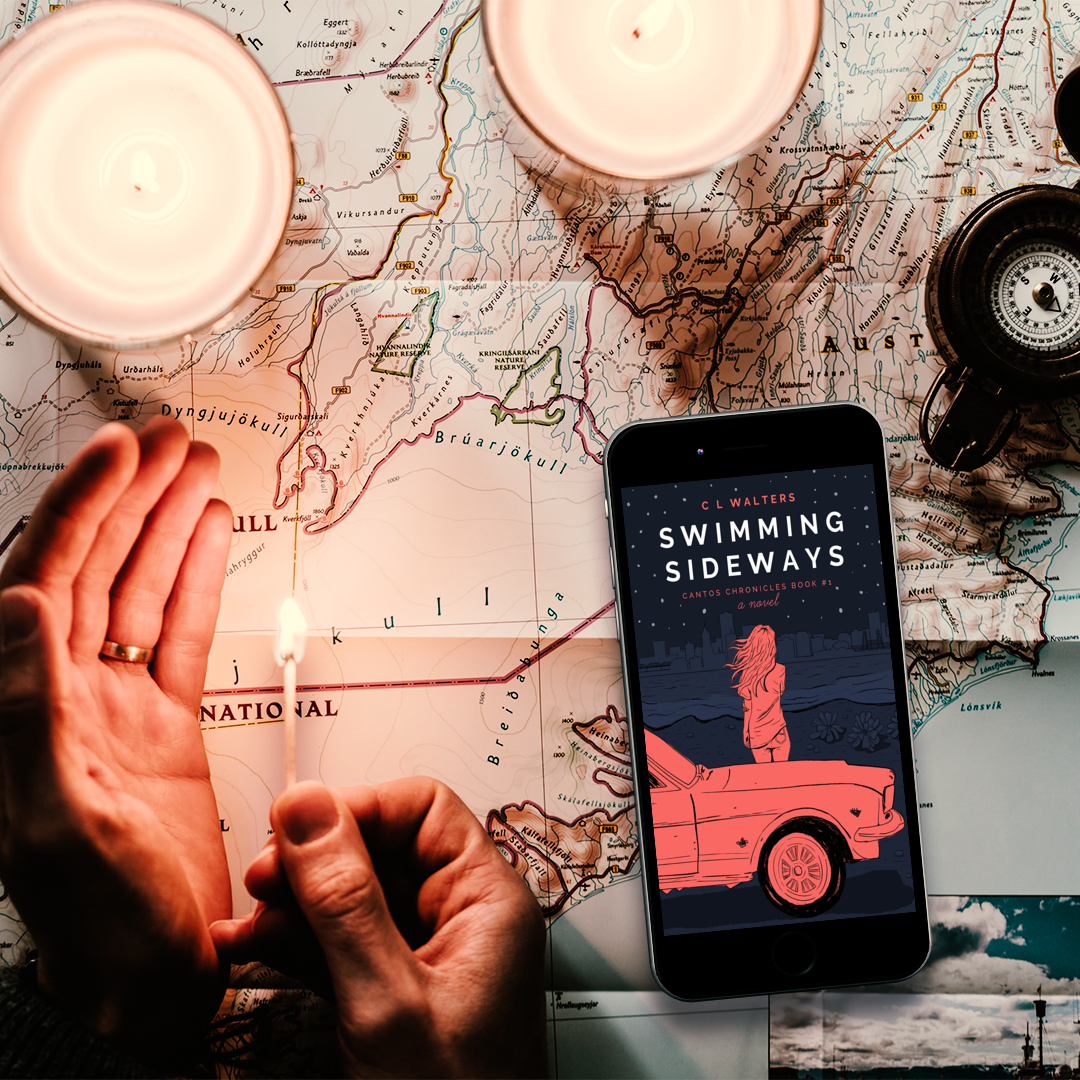
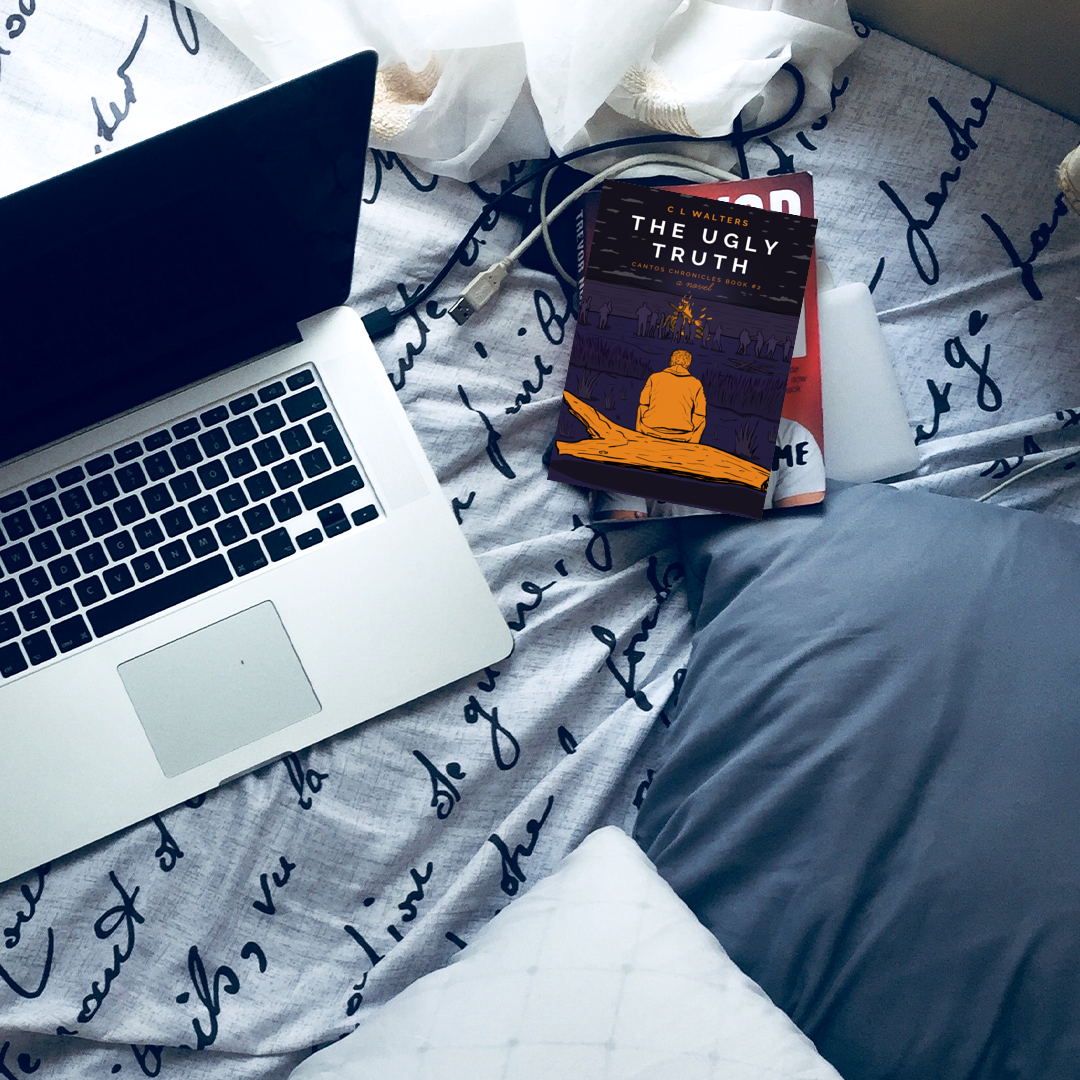
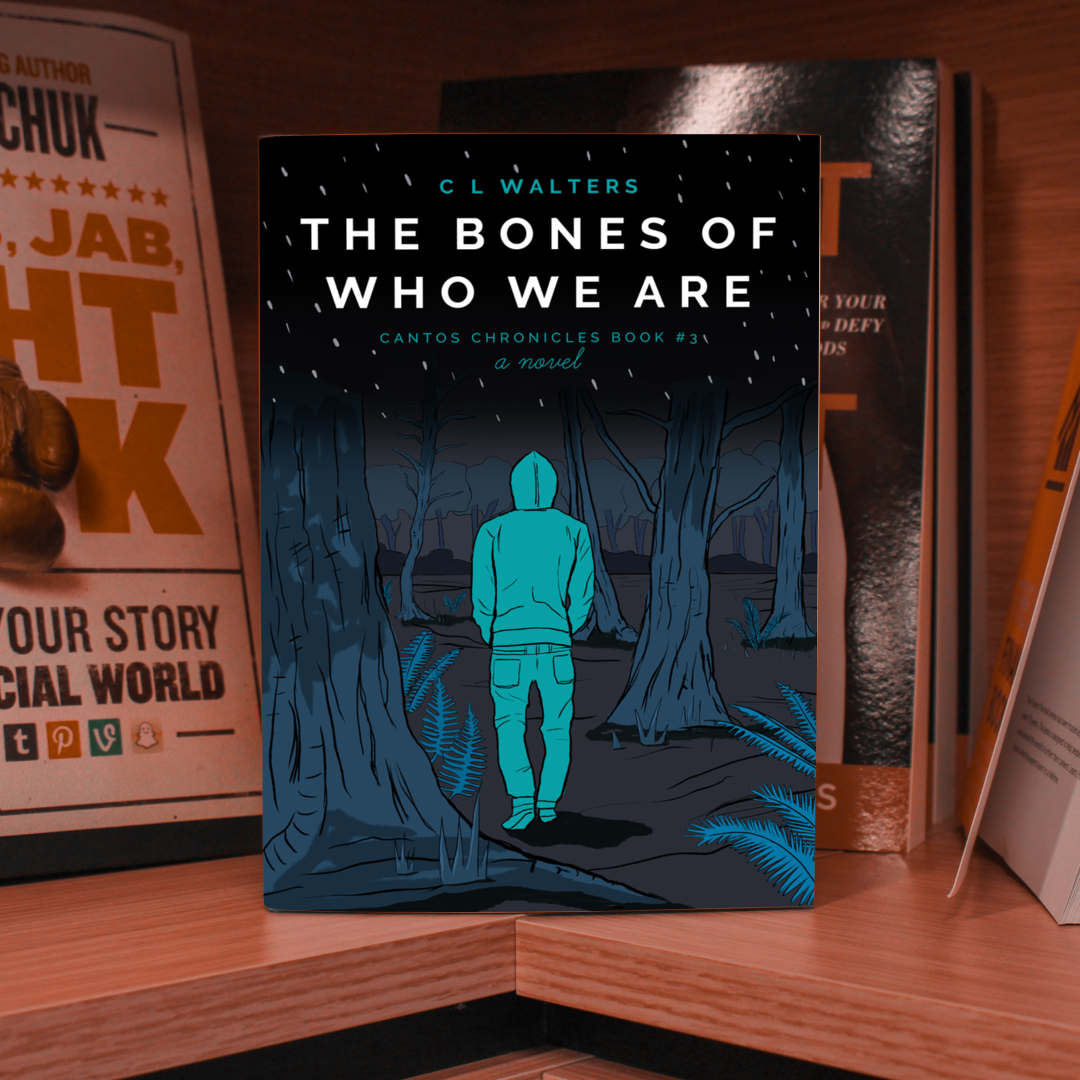
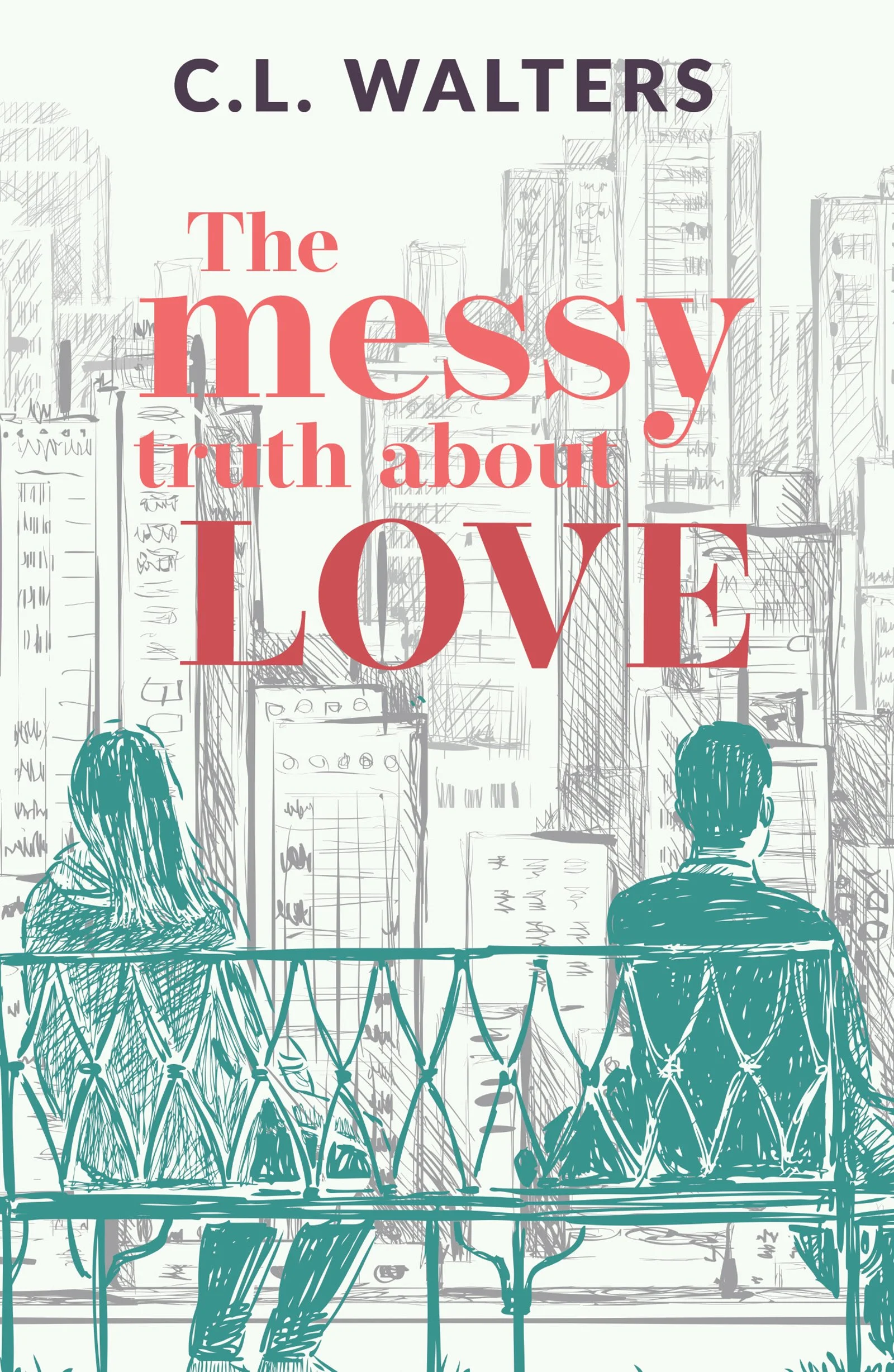
And last year, The Messy Truth About Love came out, adding to the Cantos World.

Did you know that I’m writing a serialized story in my newsletter called The Wedding Assignment about Abby and Gabe?

Want access to this story? Sign up for my newsletter. (sign up here)
I’m having a ton of fun, and to celebrate, I wanted to spend the month highlighting some fun bits about these books from reader thoughts to background fun. Be sure to comment and tell me what you’d like to know more about.
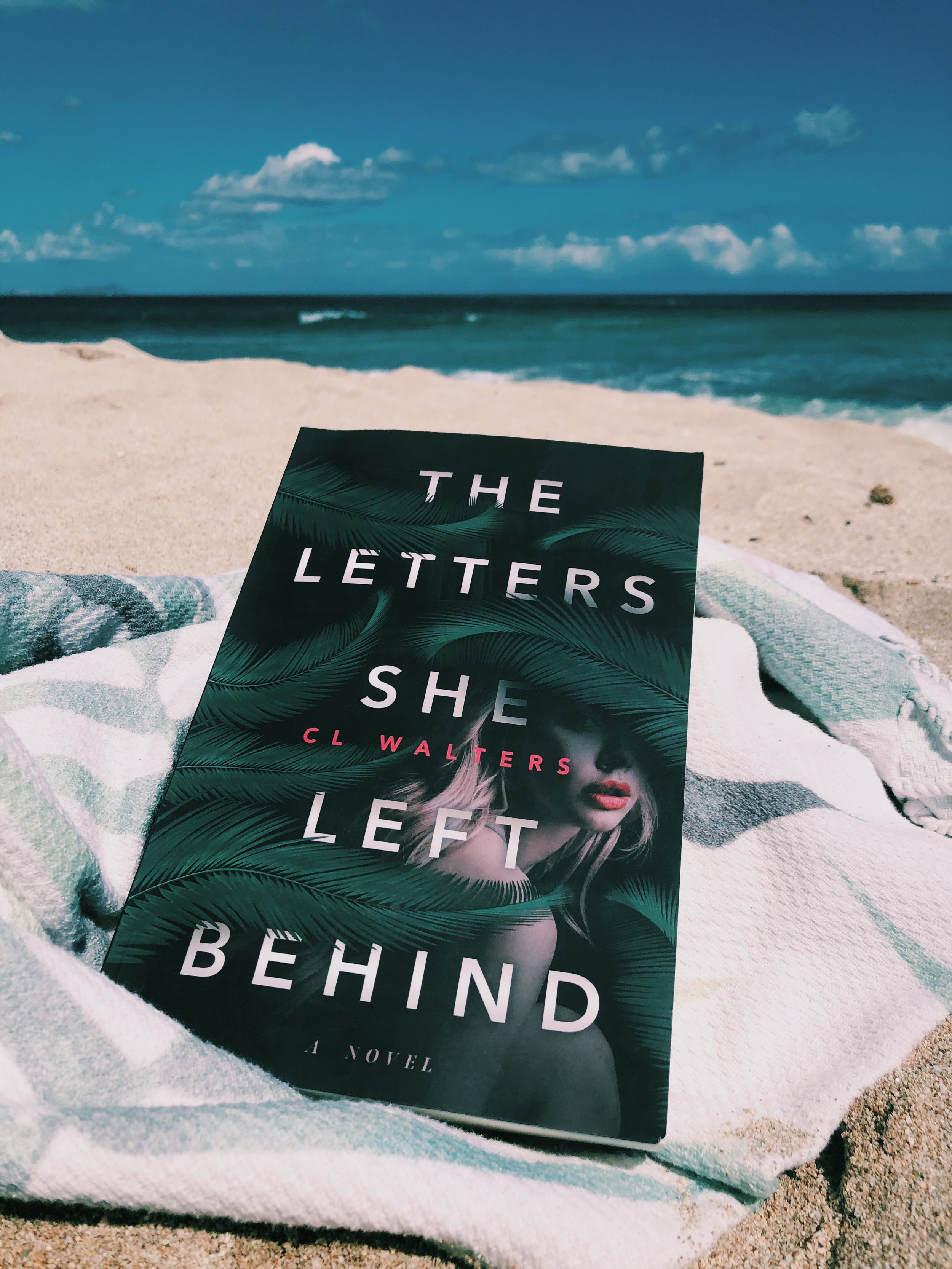
The Letters She Left Behind, 3 Years.
When I was in my early twenties—an English major—I wanted to be a writer. I knew I wanted to be a writer before that even, when I would choose to sit at home and pen stories over going out with high school friends. Or when I would close my latest Judith McNaught reread and think: I want to do that. Even before then, when I wrote my first story at eight and read it out loud to my mom.
I read recently in a book by Deepak Chopra called The Seven Spiritual Laws of Success: A Practical Guide to the Fulfillment of Your Dreams (1994), the seventh law was the Law of Dharma or Your Life’s Purpose. To paraphrase Chopra (definitely check out the book if you’re interested), each of us is born with unique talents and a way of expressing it that is original to us. In conjunction with that talent is a set of personal needs matched up to that talent which can only be expressed by us. By fulfilling this need utilizing our talents, we will find fulfillment.
I understand this. My love and desire for writing and stories started early, and my proclivities and knack for it always leaned in that direction. That doesn’t mean, however, that at eight, or sixteen, or twenty-six, I was prepared to achieve the dream. There was work to do.
Case in point: One of the first novels I wrote (not the first. That one sits in a proverbial eDrawer collecting electronic dust), was The Letters She Left Behind, a romantic suspense that follows Adam and Alex on an adventure to catch a killer, all while given a second chance at love. I was around twenty-seven when I wrote it, a new wife of three years, a new mother. My main characters in this story, however, are in their late forties and dealing with things like grief, being widowed, and the empty nest. Needless to say, at twenty-seven, I was ill-equipped to write this story, severely lacking experience to give it justice.
“Talent is nothing without hard work”
While I think we may have a talent or a knack for something, that doesn’t mean it is’t necessary to build the skills necessary to do it. When I look at The Letters She Left Behind (which was rewritten in 2019 and published in January 2020) I can see how much I have grown as a writer since, how much experience I’ve gained. How much practice I’ve devoted to the craft. I love how footballer Cristiano Rinaldo tweeted once, “Talent is nothing without hard work.” I have had to work hard to develop those natural talents toward writing.
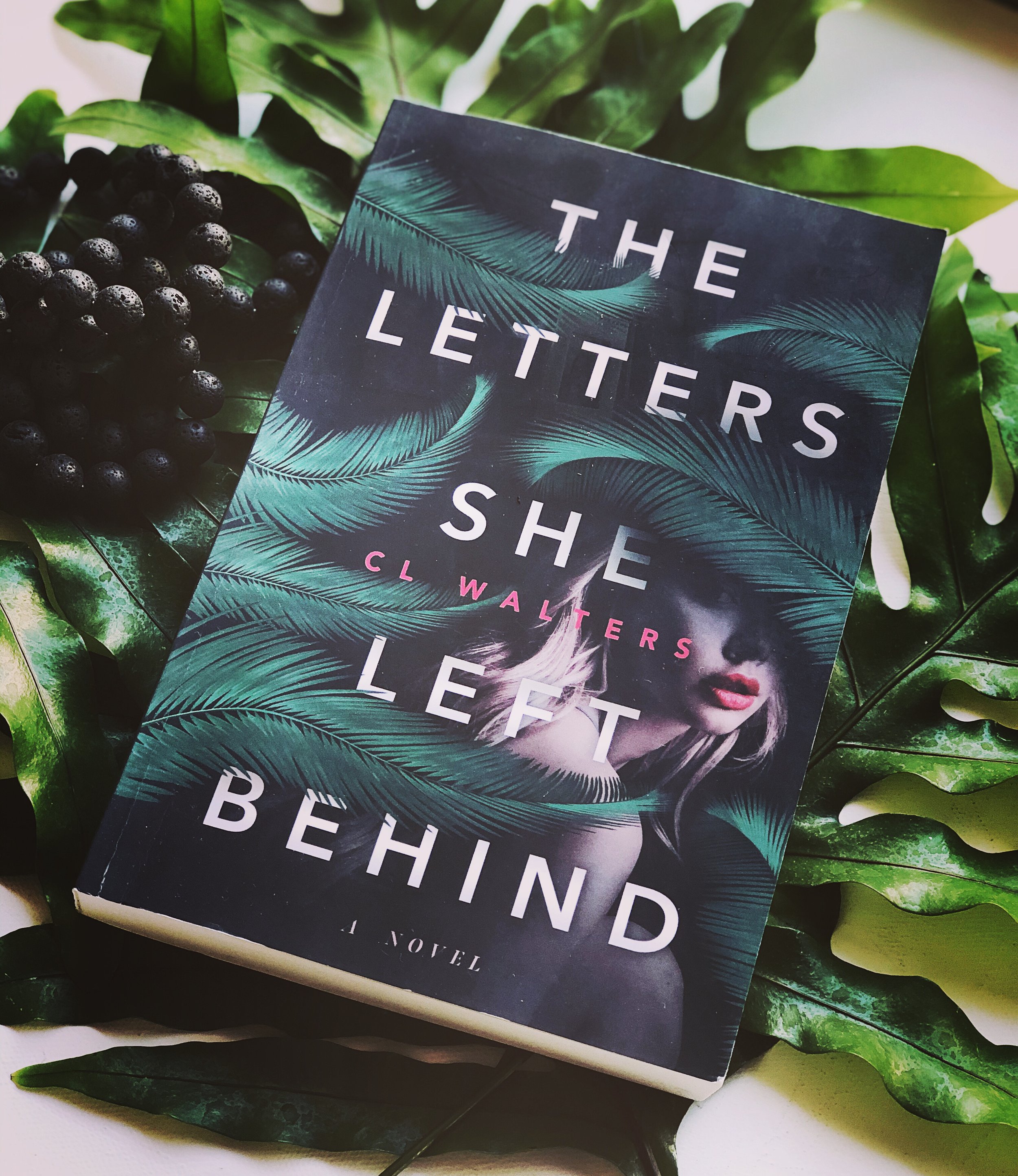
When I reread The Letters She Left Behind, sometimes I think I should rewrite it and re-release. Then I think that would be a disservice to who I was as a writer and all the ways I grown since. It’s good to look back over the bridge to see where I once was to appreciate where I am at now. And hopefully, I’m always working hard to grow.
So in honor of the anniversary of the publication of The Letters She Left Behind 3 years ago, here’s to working hard and growing.
Also, here’s some previous blogs I wrote about this book:
Latest Posts




-
September 2023
- Sep 25, 2023 Tanner's Story: The Bro Code Crew Sep 25, 2023
- Sep 25, 2023 The Thanksgiving Scene: Griffin and Maxwell Sep 25, 2023
-
August 2023
- Aug 13, 2023 In the Echo of this Ghost Town: Facing Fear Aug 13, 2023
- Aug 13, 2023 In the Echo of this Ghost Town: Choices and Consequences Aug 13, 2023
- Aug 13, 2023 A Letter from Maxwell (When the Echo Answers) Aug 13, 2023
- Aug 13, 2023 A Letter from Griffin (In the Echo of this Ghost Town Aug 13, 2023
- Aug 13, 2023 In the Wait: Matt Aug 13, 2023
- Aug 13, 2023 In the Wait: Jack Aug 13, 2023
- Aug 13, 2023 In the Wait: Carter Aug 13, 2023
- Aug 13, 2023 In the Wait: Sara Aug 13, 2023
- Aug 13, 2023 In the Wait: Gabe Aug 13, 2023
- Aug 13, 2023 In the Wait: Abby Aug 13, 2023
- Aug 13, 2023 A Letter from Gabe (The Bones of Who We Are) Aug 13, 2023
- Aug 13, 2023 A Letter from Seth (The Ugly Truth) Aug 13, 2023
- Aug 13, 2023 A Letter from Abby (Swimming Sideways) Aug 13, 2023