April Challenge: Update No. 1
5 Things I’ve learned this week about my drafting process:

I’ve added over 10,000 new words to my 82,000 word draft this week, which brings to word count total to around 92,000. Word count, shmurd count, turd count. Honestly, the quality of those words are crap, but I knew this going in, and I admitted it before even beginning.
So here are things I learned this week about myself as a drafter and about the word count:
I will avoid climbing the mountain of drafting like I avoid exercise. This procrastination lasts until I can’t anymore. But, I am also motivated by being held accountable to the external impetus (YOU), so though I procrastinate, I am still writing forward (at the last possible moment).
Once I’m sitting down to write, there isn’t much to get in my way including family or dogs who might attempt to interrupt. You need to go outside to pee, dog? Hold it.
I get really cranky when I’m drafting. Don’t talk to me or I might bite your head off (poor family).
When I get stuck, I follow the Peter Elbow model of writing forward: the freewrite (which means I just word vomit on the page to get myself thinking again. So I have a bunch of words that aren’t even connected to the story but are rather my own subconscious conversing with my conscious self, then suddenly I’m back in the narrative, moving on with the story). Keep in mind, that word count report is padded with a bunch of words that won’t even be in the story.
If the Peter Elbow Freewrite doesn’t get me moving, I know instinctively that it’s because I don’t understand something about the character and the conflict. So my next step is to jump into a character interview. Remember how I said the word count is padded with words that won’t make it into the story. Yes. The character interview is one of the reasons why.
Bonus: Word counts aren’t very motivating for me, but coloring in the calendar I made, super motivating. Posting to TikToc and Reelz has also been fun even if getting the words was slighly torturous. I also feel accomplished when I’ve written something that feels like a keeper or that I realized helped me understand something that will contribute to a scene. Those are gems.
I keep reminding myself that the goal for April isn’t about the word count, even if that’s how I’m holding myself accountable (which means I may relook at how I’m reporting the progress). The goal is to finish the draft of this story. While there’s a modicum of some stuff that will be salvageable in what I’ve written this week, it’s going to take a lot of revision and rewriting to make it useful. On the flipside, however, there is something there to work with that wasn’t there before. I have a trash heap to go through to find what’s usable.
Remind me: It does not have to be perfect. DOWN WITH THE OPPRESSOR (thanks for that, Anne Lamott).
Next week: Weekly update Number 2
April Challenge: Finishing the Draft
Have I ever mentioned I was writing a fantasy book? Probably once or twice if you’ve been following my writing journey for any length of time. Or maybe this is new information. I started writing it over ten years ago, and for the last ten years I’ve started and stopped and tinkered and dabbled. The story has undergone a series of overhauls because I inevitably get stuck. A year ago—almost to the date—I scrapped everything I’d written chalking it up to world-building and started over. Over the last year, I’ve gotten the closest to a finished draft than I ever have, which is both exciting and terrifying.

Why?
Because this book has become my personal Camino de Santiago, my creative pilgrimage. Despite my many years of writing and having written ten books over my lifetime, this book has been the one that alludes me and makes me feel like I’m fooling myself as a writer. I set it as a goal, the unattainable one that is a moving target of someday.
As a contemporary writer for the most part, there is safety in the known. I can draw from the world around me. I can create a place rooted in the safety of a world that exists in the here and now. The process for writers of historical and fantasy face a different challenges, and for fantasy, specifically, one of those challenges is building a world, its inhabitants and its systems from scratch.
And I’m close!
I made a promise to myself to use April as the month to finish the draft (or work hard trying to do it). April is here.
So here are the current Fantasy WIP stats:
This WIP is currently at 82,000 words.
It is tentatively titled: Deconstructing Cale Elysian.
There is one main protagonist—Cale— with a cast of “found-family” characters around him.
While the story would be categorized as a high fantasy because it is in a brand new world with new systems, the story is driven by low fantasy elements to keep it grounded.
There is a magic system.
What I hope to accomplish this month (so you can hold me accountable):
I want to add around 50,000 words (like during NaNoWriMo), or as many as I need to get this book close to a finished draft.
I’d like to shut down my perfectionist tendencies and just write forward (it has been harder with this book than my others).
I’d like to share my weekly updates with you here and on Instagram each Wednesday.
That’s it.

Here’s a snippet of what’s been written. This is from the POV of Cale’s best friend Yoneo:
Yoneo squinted in the darkness of his tiny attic room of their family cottage. Wondering if he heard something, he waited. After a few seconds, he closed his eyes again and rolled over deciding one of his sisters—probably Teniko, who was hiding a new, secret lover—was sneaking back into the house. The brin coursing through his system was wearing off, leaving a nasty headache in its wake which required sleep. When he heard the tap again, his eyes snapped open; he sat up and groaned.
“Teniko, if that’s you, I’m going to kill you,” he whispered it to no one in particular since if it was in fact his sister, she wasn’t in the room.
Being stuck between a quartet of sisters was a challenge in and of itself, add the extra pressure of being the only boy and it increased exponentially. The oldest sister, Nika, had paired last summer and lived in Billerdem with her partner, but that left the other three, Kira just above him, Teniko who was just below him in birth order and drove him crazy most of the time, and then the youngest Martika. While he had lots of attention, it was often too much, and his dad wasn’t much of a respite wanting him to be the strong silent type he could count on while his sisters nagged him to share his feelings. It was exhausting.
Yoneo rolled from the comfort of his bed and slogged his way around Teniko’s bed where his sister was actually sleeping. Which meant, if it wasn’t her, it was someone else. His heart picked up speed wondering who in the blister of the dark would be throwing pebbles at his window. Probably Jem since he’d be the only one likely to do something so irrational. But that didn’t make any sense. Yoneo loosened the fastener and pushed the window open, not particularly concerned it would be someone dangerous. They lived in the tiny village of Brockton, for light’s sake.
“Yo?” A familiar voice sort of whispered up from the garden below.
“Cale? What are you doing? Your dad is going to kill you!” Yoneo whispered back.
“Can I come up?”
“Wait. I’m coming down.” Shock flooded his system. Cale sneaking about was like Hah stopping its rotation around the suns and then changing direction to go around the opposite way.
He moved through the cottage with care avoiding the creaks of the old home. Like the third step on the way down the stairs along with one right at the bottom that seemed to have an odd thump when you removed your weight. He took a wide step just the other side of his parents bedroom door to avoid the squeaking floorboard, and when he opened up the door, he made sure to do it slowly so it didn’t groan.
His friend was nowhere to be seen in the yard, the bushes, the herbs and flowers his mother coddled looking more like a wild meadow than a manicured garden. “Cale?” Yoneo whispered into the dark.
Cale stepped out from behind a tall shrub. It was difficult to see him in the dark, though the moon provided some light, but not enough to chase away the shadows. He looked weird. And lumpy.
“What are you doing? I thought you were sick,” he said. “Come.”
Cale moved down the walk and into the house, looking behind him as he went.
“What’s going on?” Yoneo asked once they were inside and the door shut behind them.
Yoneo’s father coughed, and he held a finger to his lips. It wasn’t that his dad would be angry that Cale was there, but the man loved his sleep he had so little of it. His temper was formidable. “Wait,” he whispered, went up the stairs retracing his silent steps, grabbed some blankets, and returned to Cale the same way. The difficulty of having so many people in a tiny little cottage meant there was no space. “The barn,” he whispered and led the way to the out building.
When they were safely inside and out of the hearing of his family, Yoneo asked again. “What’s going on?”
Cale’s face, despite its usually golden glow, looked pale and stricken.
“Are you still sick?”
Cale flopped into a pile of straw and it was then what had made his friend look lumpy; he was carrying a bag. “I’m not sick.” Cale finally said after some time.
“Are you running away?”
“You could say that. I’m going on The Tour.”
Character Speaks: Dear Paola, from Gabe
Dear Gabe,
I wish I could give you a hug that will make you feel all the love of the universe...all the love you deserve.
Love, Paola
Dear Paola,
I feel all that love. I feel it, now. Thank you. Your wish carries a promise of future benefits not only for me, but hopefully a pay-it-forward to anyone feeling like I once did. Your message needs to be shouted from rooftops and carried throughout the world because there are so many in need of it.
I remember when I didn’t understand that kind of love, and one of the sentiments of your note that stood out to me was “all the love of the universe”… I hope it’s okay because it inspired me to write a poem. So, for you, Paola:

Constellations
By Gabe Daniels
We are stars,
Swallowed by bruises,
Hidden in fractured hearts and lonely thoughts,
But shooting stars
Trailing stardust
Leave guiding paths to light a way.
We venture across the purple-blue sky—
Tentative—
Finding other stars
Burning bright, reaching
Arms filled with Light and Love.
Though a bruised sky swallows
A single star,
Together, a constellation,
Shines love to divide
The purple-blue sky.
And the Sun rises.
Thank you so much for your Inspiration and warmest regards,


Character Speaks: Dear Sam, from Seth
From Sam (October 2019)
“…When I read, I often think of music that fits the situation […] for this little zine piece, [this is the music] I associated with Seth’s character.”

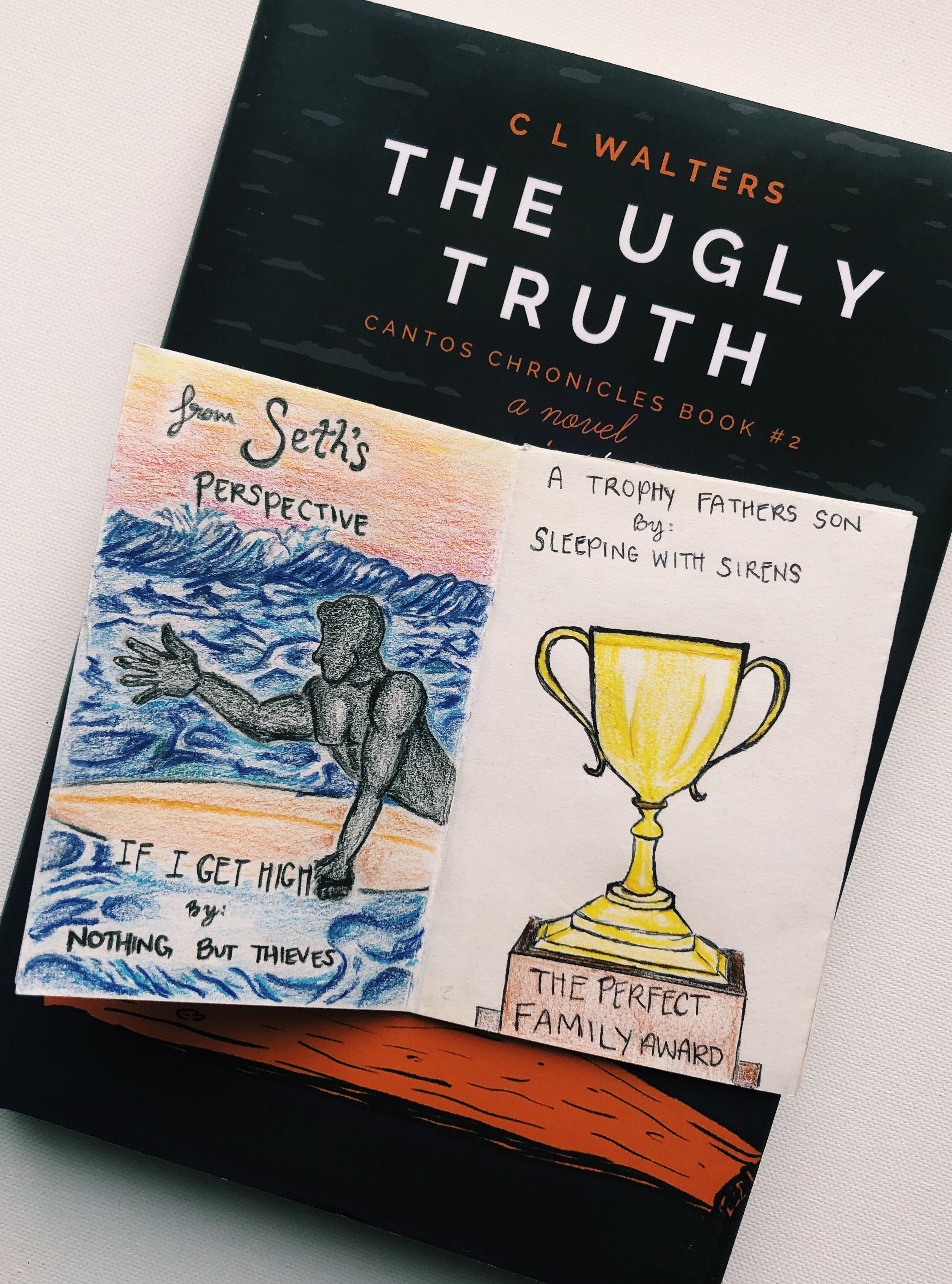
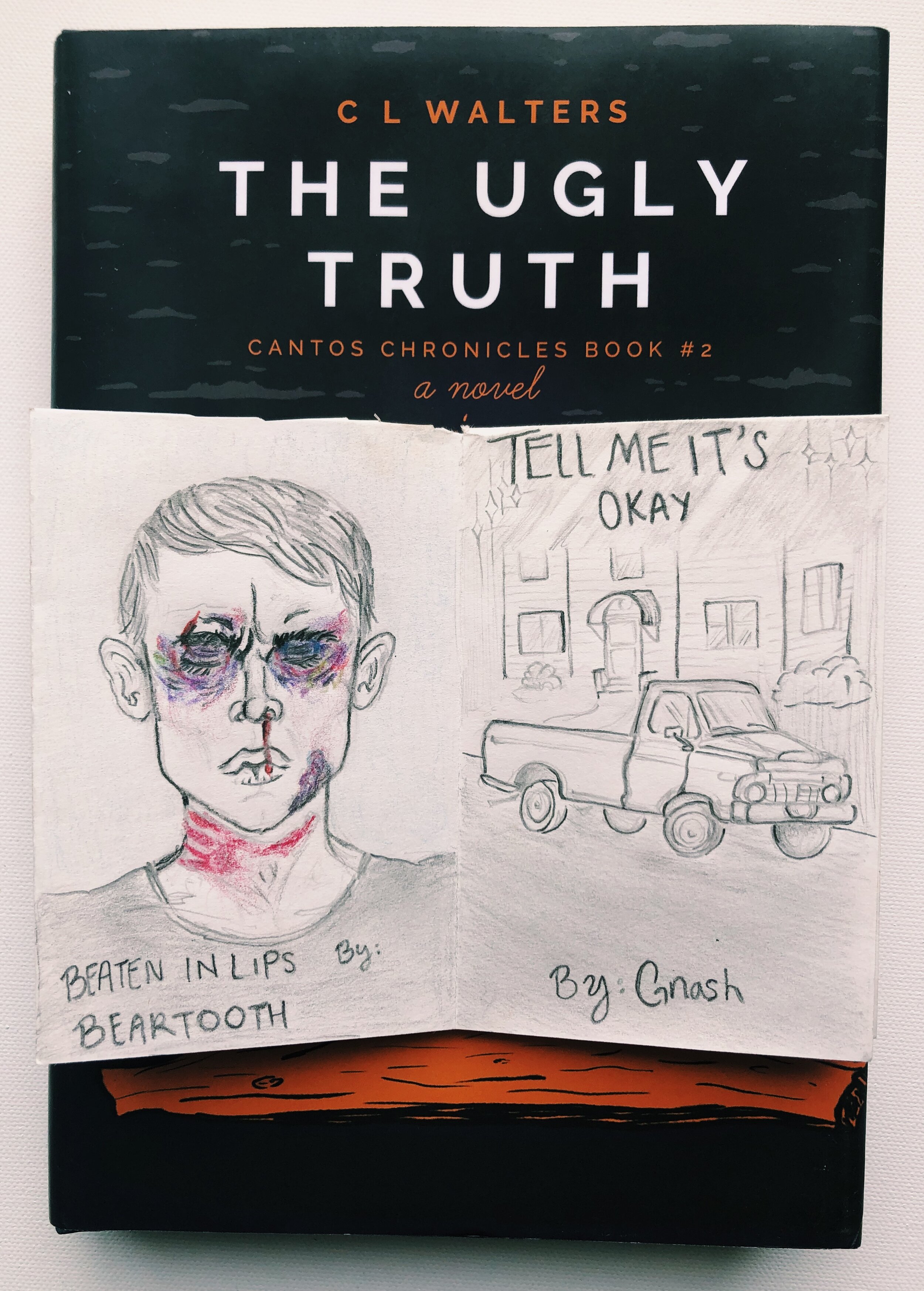
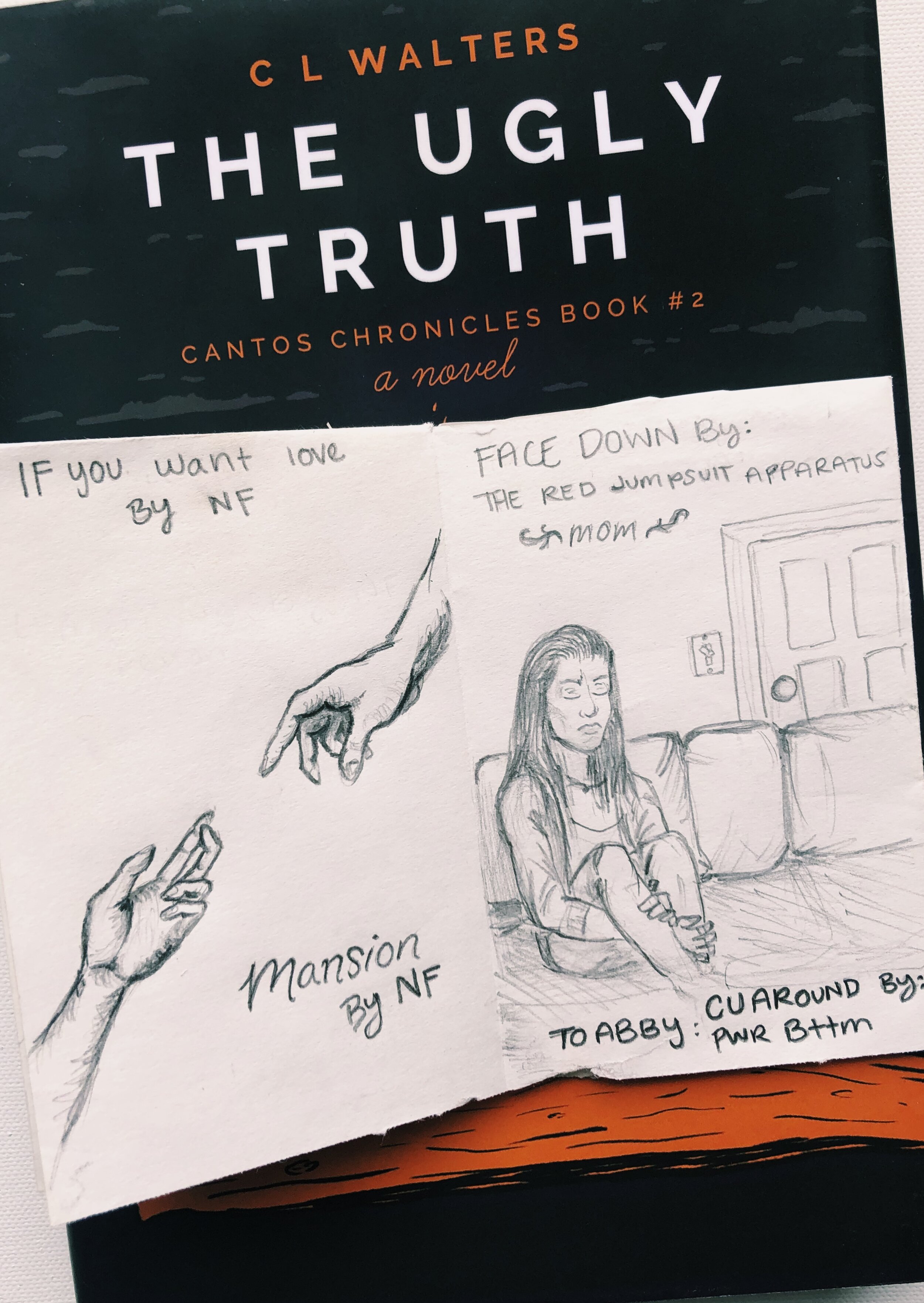
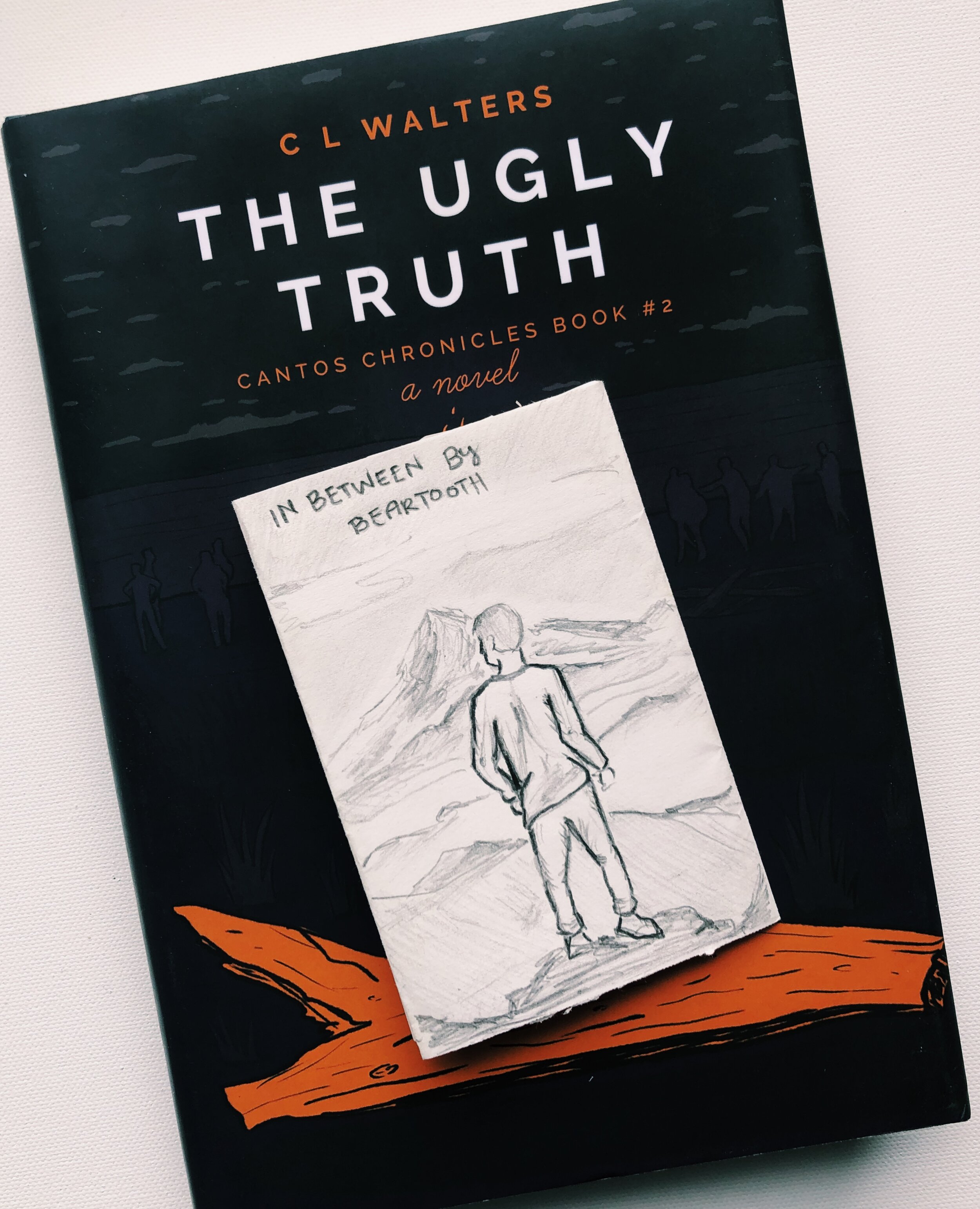
Dear Sam,
WTF?!? You took the time to make that cool zine? (What’s a zine anyway?) I can barely bring myself to work on my homework, and as you already know, my art consists of ripping up colored paper for a mosaic project. Paper, destruction, and glue. Sounds about right. I’m impressed by what you’ve made!
I listened to all the songs you suggested. Moody, monstrous, heartfelt are words that come to mind and for real, that was me, then. I think my favorite track is “If You Want Love” by NF. The pictures sort of hit me hard, you know, like I needed a trigger warning, but frick, my life then needed a trigger warning. Everything was so messed up. I think your art reflects the pain of that time. I’ve put your work somewhere safe, because I don’t want to take for granted my life. Ever. I can take out the zine and remember where I’ve been and what I’ve survived, you know?
The Ugly Truth is a story that feels so far removed from who I am now. Granted, it’s taken a lot of things to change. My parents separated after all that went down, but they agreed to therapy both together and on their own. I did too. Dad’s still sober, and they got back together during my senior year. Did you know we moved away from Cantos after I graduated? I’m in college now, and I’ve been through a few different therapists, but now I’m seeing this lady named Dr. Bethany. She calls me out all the time. I hate it and I love it. Does that make sense? She’s awesome.
It’s weird to think that my story connected to someone else, meant something. Makes it feel like sharing it was “right”. I guess that’s what stories are for, though. Connecting?
“Thanks for taking the time” seems like a trite way to say “thanks”, for this amazing effort of creativity on your part, but I do mean it. The zine is super cool. Really cool. I’m super stoked that I get to share it with others.
Keep surfing (whatever it is you surf), Sam.
Peace,
Note from the Author: Don’t forget to submit your letter, question for a character by February 22! You may be featured in the coming weeks. Email me or click the link to this FORM.
Ask the Author: Advice for Newbie Writers?
What advice do you have for new writers?

We’ve reached the last post of our Ask the Author series, and today’s responses were inspired by several requests for what kind of advice would you give new writers?
So here it is, five points for new writers to help you as you begin your writer’s journey.
If you want to write stories, make stories a part of your life.
Brandann Hill-Mann said it best, “Consume stories.” Her advice is predicated on the idea that stories are presented in a myriad of ways: books, TV shows, movies, comics, plays, so on and so forth. “Find ways to consume the same story in different mediums to see what appeals to you and why. Consume media you love so you can take those elements forward with you. Consume media you don’t like so you can think about why it didn’t work for you, and how you’d do it differently.” And each of the authors expressed the same sentiment. Rayna York, Sophie Fahy both intimate that reading provides tools to develop plot. Cognitively, we learn thought modeling because our brains are set up to mimic first in order to build the skill set necessary to develop our own unique style, so reading is critical. My advice has always been to Read. Read and read some more. Read widely. Read within the genre you want to write as well as outside of it. Stephen King wrote in On Writing that, “If you don’t have time to read, you don’t have the time (or the tools) to write. Simple as that. Reading is the creative center of a writer’s life.”
“If you don’t have time to read, you don’t have the time (or the tools) to write. Simple as that. Reading is the creative center of a writer’s life.”
If you want to write stories, you have to write.
Most writers you talk to will tell you to write everyday. Since Stephen King is my go to, he wrote in On Writing that “I write everyday [...] and when I’m not I feel at loose ends with myself and have trouble sleeping,” which resonates loudly for me. I do write everyday and when I don’t I turn into a version of mom-wife godzilla tromping through my house screeching and expelling vitriol fire. Writers work hard to determine a routine that sets them up for the success of forward movement and meeting deadlines, but this can look different for every writer. Rayna York suggested “write everyday, even if it’s crap,” because like Jody Piccoult’s famous quotation, “You can’t edit a blank page.” Sophie Fahy suggests writing everyday even if it's just letters, journals or a diary, and when you feel comfortable there, begin to learn the craft. Julia Scott offered this golden nugget, “draft as though no one will ever read your book, and edit as though everyone will,” which ties into Ally Aldridge’s warning not to give into “perfectionism.”
If you want to write, find a writer community as a means of support.
Do you read acknowledgements at the end of the novel? Writers notoriously write the following phrase: writing is a solitary endeavor, but the book you’ve just read had a lot of help getting it to where it is. This is followed by the plethora of names. The truth is that though writing is solitary, every writer needs their “writer friends” like Piper Bee suggests. “Not only will they be a source of inspiration and encouragement, but if you have a good relationship, they'll tell you what needs fixing. Plus, talking for hours on end about stories and books is a good time!” Rayna York added that having a group of writer friends you trust to be honest with you and your writing will make your book stronger. “[If I’d had that support] with my last novel, [and a writing friend to tell me] that my main character was too bitchy and annoying [...] it would have saved me a lot of negative reviews.”
If you want to write, don’t give up.
Besides being solitary, writing is really hard work. I’ve quoted it before but it works to say it again, Ernest Hemingway said, “all writers do is sit down at the typewriter and bleed,” which speaks to not only the arduousness of the task, but the emotionally draining work of it as well. Sophie Fahy said for her the most important advice was “don’t give up. If [being a writer] is what you want to be, what you want to be doing for the long haul. DO. NOT. STOP. No matter the negativity from others or bad feedback or even self-doubt [...] I believe my current novel I've finished is the BEST book I've ever produced [...] and the amount of re-writes I did were [intense]. I wanted to give up but I didn't.” And Julia Scott added the point that a danger is getting into a comparison game. “Don’t compare your writing style, your writing speed, your routine, your methods, or ANYTHING to anyone else. Your journey is unique and won’t look like anyone else’s, and that is perfectly okay.” Add to that Ally Aldridge’s wisdom, “As long as you are writing, you are making progress [...] Don’t be the one holding you back, or putting yourself down.”
If you want to write, have fun.
Finally, even in the difficult moments of writing, ultimately it should be something you enjoy. Julia Scott reminds us, “...don’t forget to have fun with it. As soon as it stops being fun or filling you with joy, the end result will suffer and your readers will ultimately notice. You’re writing because you love it, don’t forget that.”

Ask the Author: What motivates you to write?
In the last two months (December and January combined), I’ve written over 120,000 words. Between my creative projects, blog pots and newsletters, I have sat down each day to put words to the page minus a couple of days here and there stretched between holidays and needing to recharge my batteries. Besides the exclamation from those in my life who call me “prolific,” the question I most often get is what keeps you motivated to write?
“Motivation is the reason or reasons for writing coupled with the desire and willingness to do it.”

For a story about this book and motivation check out my IG: @cl.walters
The simple answer (which won’t offer any clarity) is that writing fulfills me and when I’m writing I feel like the best version of myself (which means on the flip side, when I’m not writing I’m horrible to live with because I’m a shade from the twelfth circle of the Underworld).
A more complicated answer is that I’m addicted to the feeling of seeing words come together to express an idea (I could probably cite something scientific about endorphins here). I love the thrill of meeting new characters and discovering their adventure with them. I live in my head most of the time, so writing offers an escape valve. My spirit is happy when I am creating, but I know this isn’t a helpful answer.

I have a feeling that this motivation question has been posed, because the asker is interested in the magic elixir to help with their own motivation (Huge assumption, I know. Forgive me if I’m wrong). The unfortunate truth is that there is no magic potion. Sorry. But let me come back to this after offering a bit more from other authors and what gets their butts in the seat and the words on the page.
Brandann Hill-Mann, the New Adult Speculative Fiction author of The Hole in the Universe Series shared that “The voices in my head won’t shut up until I let them run amok. Someone has to write that incident report, and apparently I’m the only witness.” (She’s hilarious, by the way, and her books have just as much snark which I’m a sucker for). Ally Aldridge, YA Fantasy author of Ocean Heart, shared a similar sentiment to Ms. Hill-Mann, “The voices (story ideas) get crowded in my head and I have to let them out, otherwise they drive me crazy.”
For many of the authors I chatted with, writing was as much of an escape as a need to share a story. Rayna York, YA Contemporary author of When Life Gives you Lemons Instead of Lattes as well as Everything I Thought I Knew, said “Writing is another form of escapism. When you write, you're in control of that escape. As I mentioned before, my stories are based on dreams, which are extremely vivid [...] the character’s voices continue on in my head and their words need to be written, eventually turning into a full manuscript.” Sophie Fahy, author of Through Her Eyes, a YA suspense novel, expressed that “[Writing] is everything to me. My ideas consume me that sometimes, I don’t want to leave the house. When I was younger, I did it because I believed I was good at it [...] but when I write, sometimes I do it for therapy. To ease my anxiety and depression. For escape.”
There might be an assumption that most authors are internally motivated to write. While many are, I loved how Julia Scott, YA/NA Dystopian author of The Mirror Souls Series shared that for her the driving force behind her writing is external. “Knowing that people love and find value in my stories is such a driving force for my motivation, and that’s why I always encourage people to write reviews for the books they love because I know how much it helps some authors to keep on keeping on! Being hassled by readers who have enjoyed the first book and now want to know the rest of the story has really helped me push through the mental blocks that I seem to put in place for myself. I’m an all or nothing writer, so writing little and often doesn’t work for me. I just have to throw myself head first into my projects and barely come up for air until they’re done [...] I need the external motivation from others wanting to hear my stories[.] I’m eternally thankful to those who have given my books a try and to those who want more!”
An interesting perspective cropped up when Piper Bee, YA Contemporary author of Joy’s Summer Love Playlist, linked both that extrinsic motivation with the internal drive. “I tend to ride the waves of excitement when I am hammering out a book, but when the fatigue gets me, deep down I [push through] because stories change people [...] I think about the people who will be able to cope better or be closer to personal revelations, [and] I find the will to keep going.”
And like all creatives, Ms. Aldridge hit the heart of what motivates many of us. “I need to write [...] if I go too long not writing, it really gets me down.”
Six different authors, seven including me, and each of us explore our own spin on the driving force behind sitting in the chair and putting words to the page. Every creative can provide a list of motivating factors to explore their motivation, but what motivates each one is different. The key to finding that drive is discovering what motivates your momentum forward. Ultimately, that magic elixir isn’t something purchased or bestowed upon you like ancient wisdom. The magic potion is YOU.
Next Week: Advice for New Authors
Ask the Author: Series or Stand Alone?
ASK THE AUTHOR: What goes into your decision about whether a story is a stand-alone novel or a series? Do you prefer writing one over another?
The simplest answer is that I don’t make a decision, the story makes the decision for me. Of course, that feels a little like a cop out answer. Please allow me to explain.
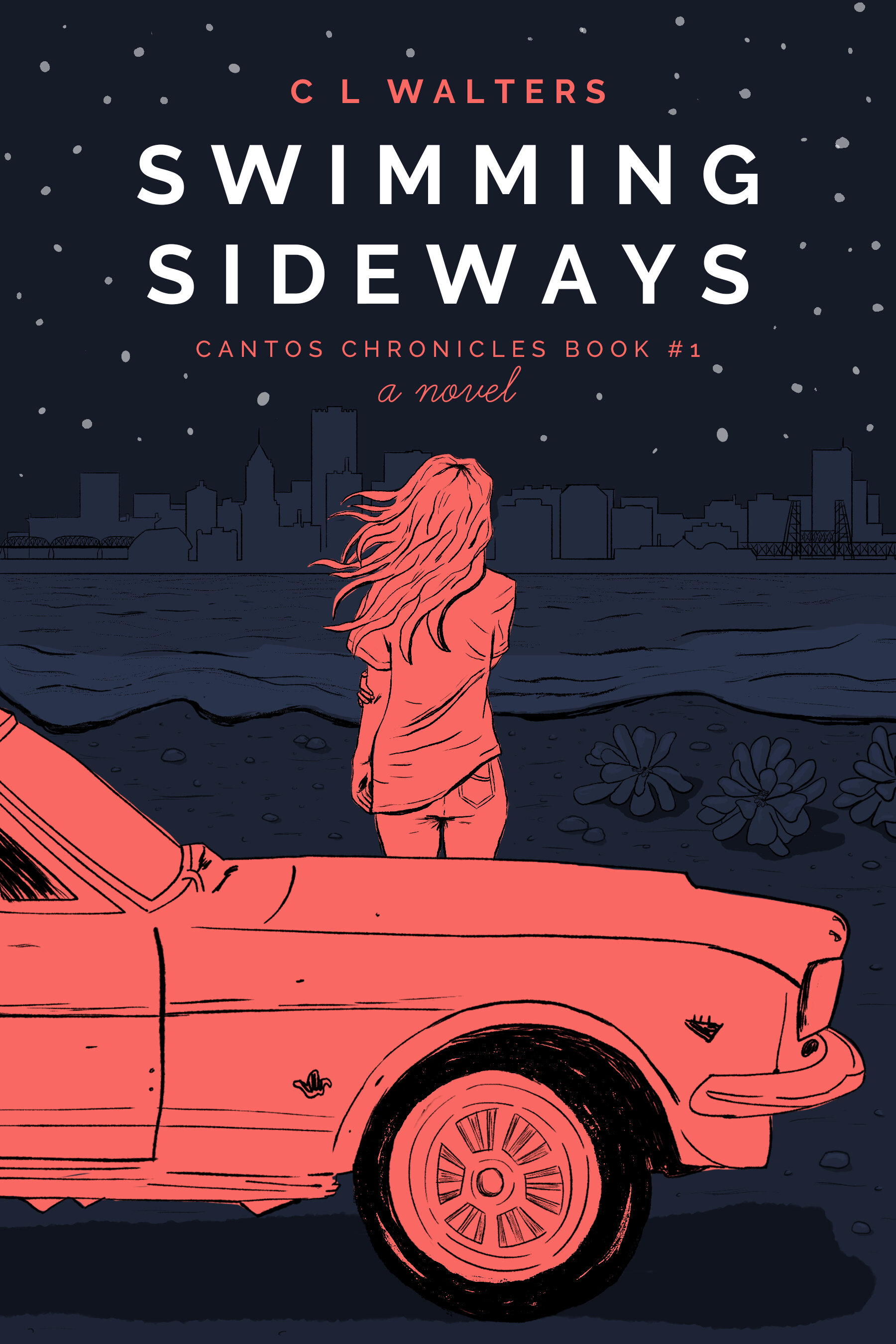
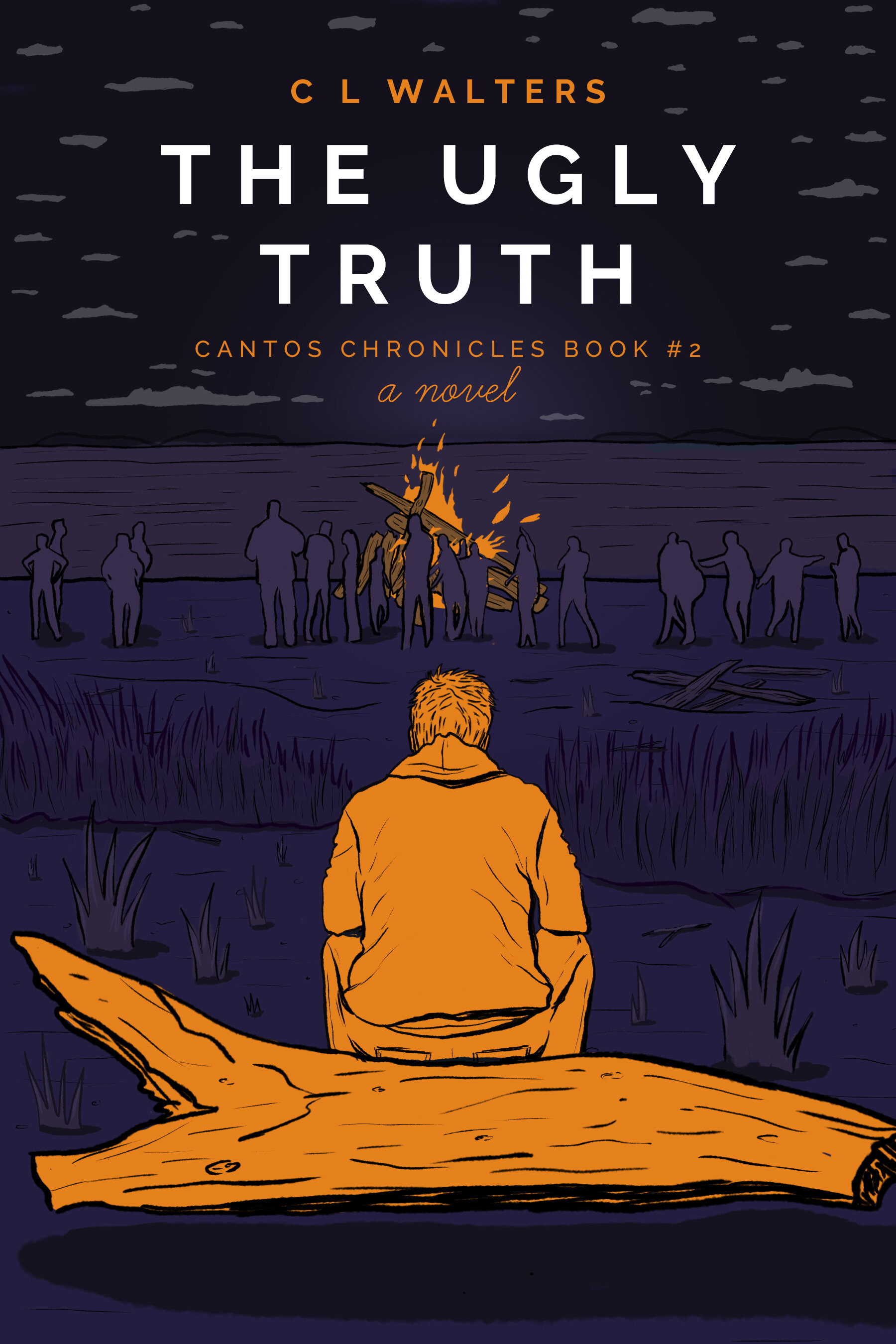
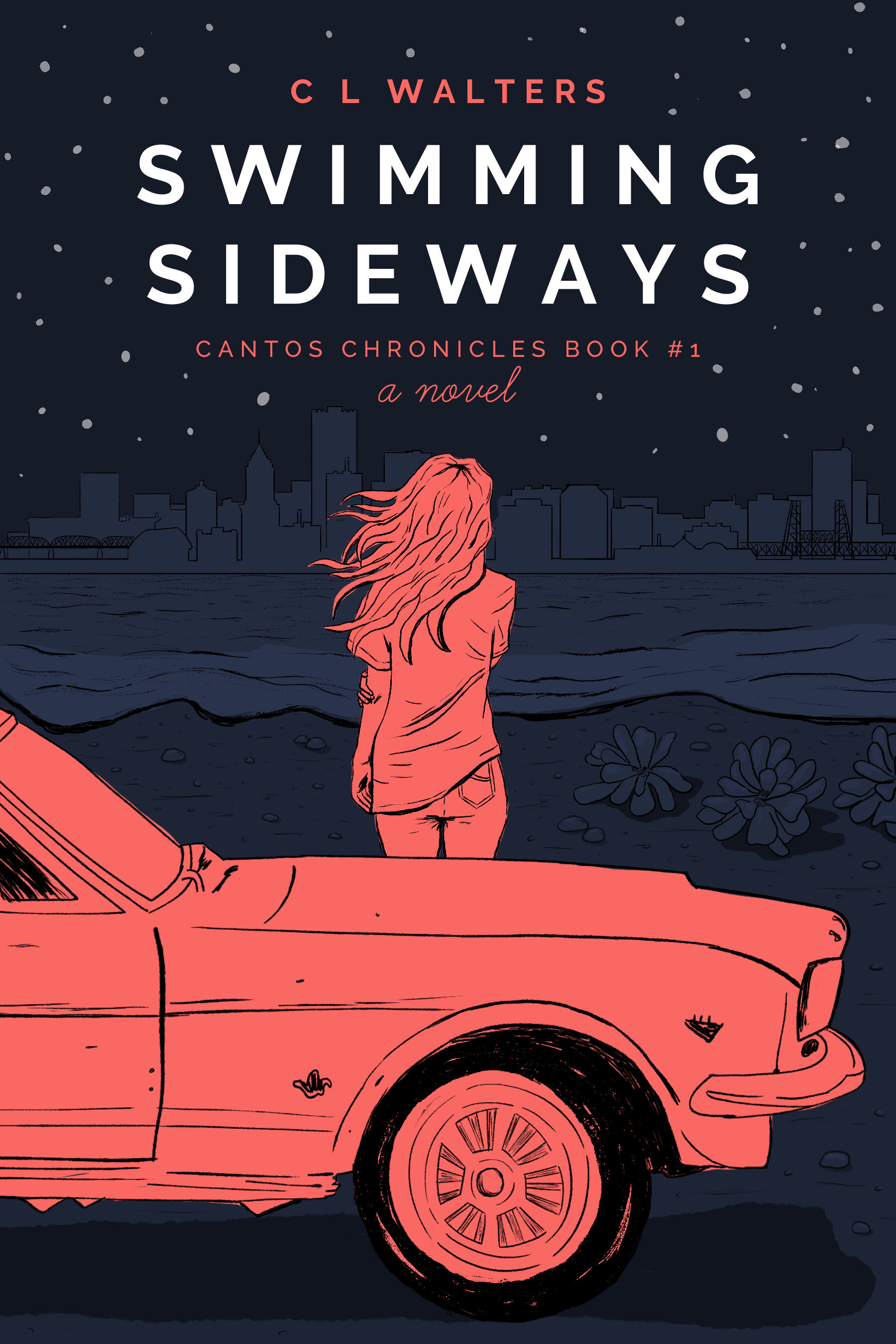
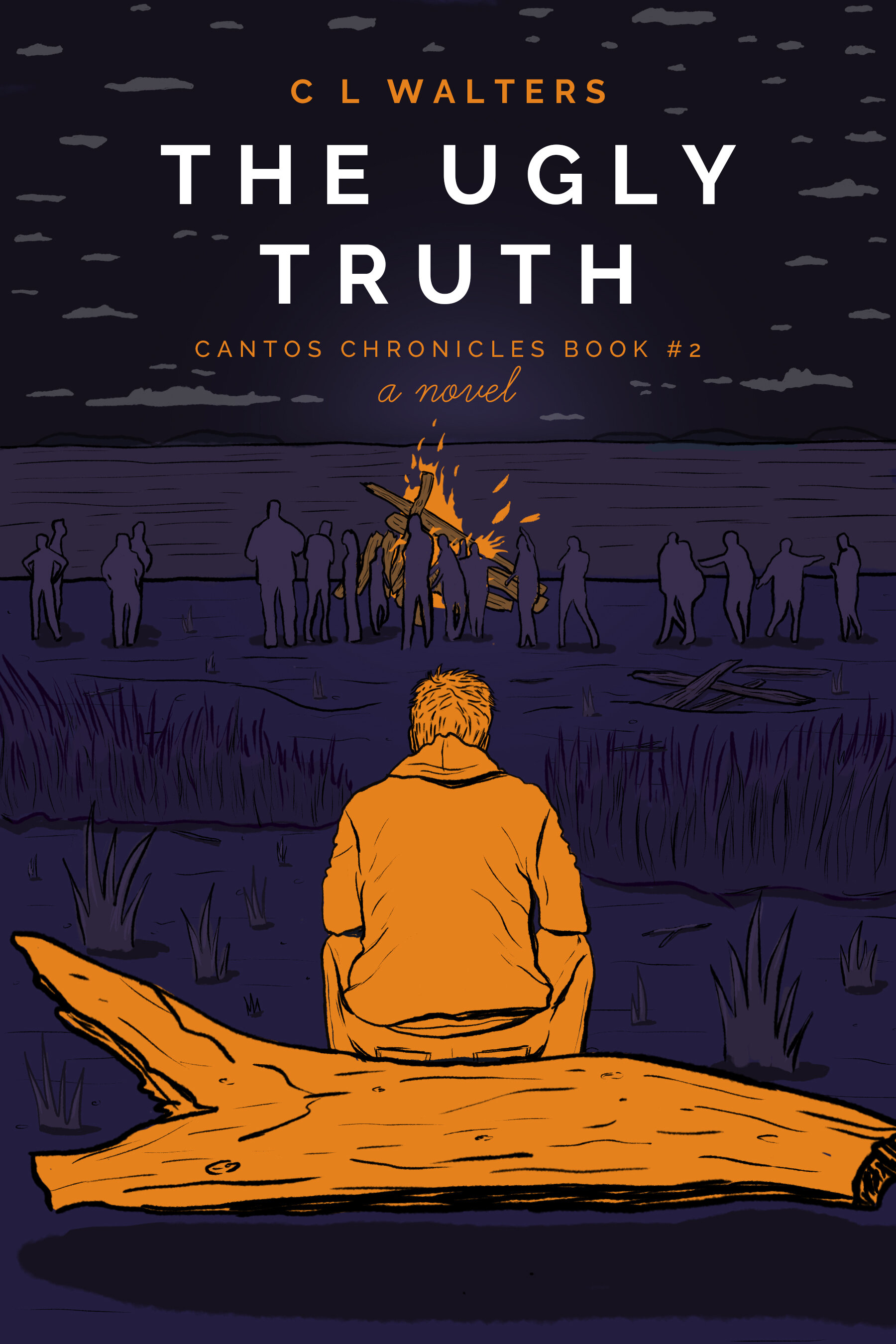
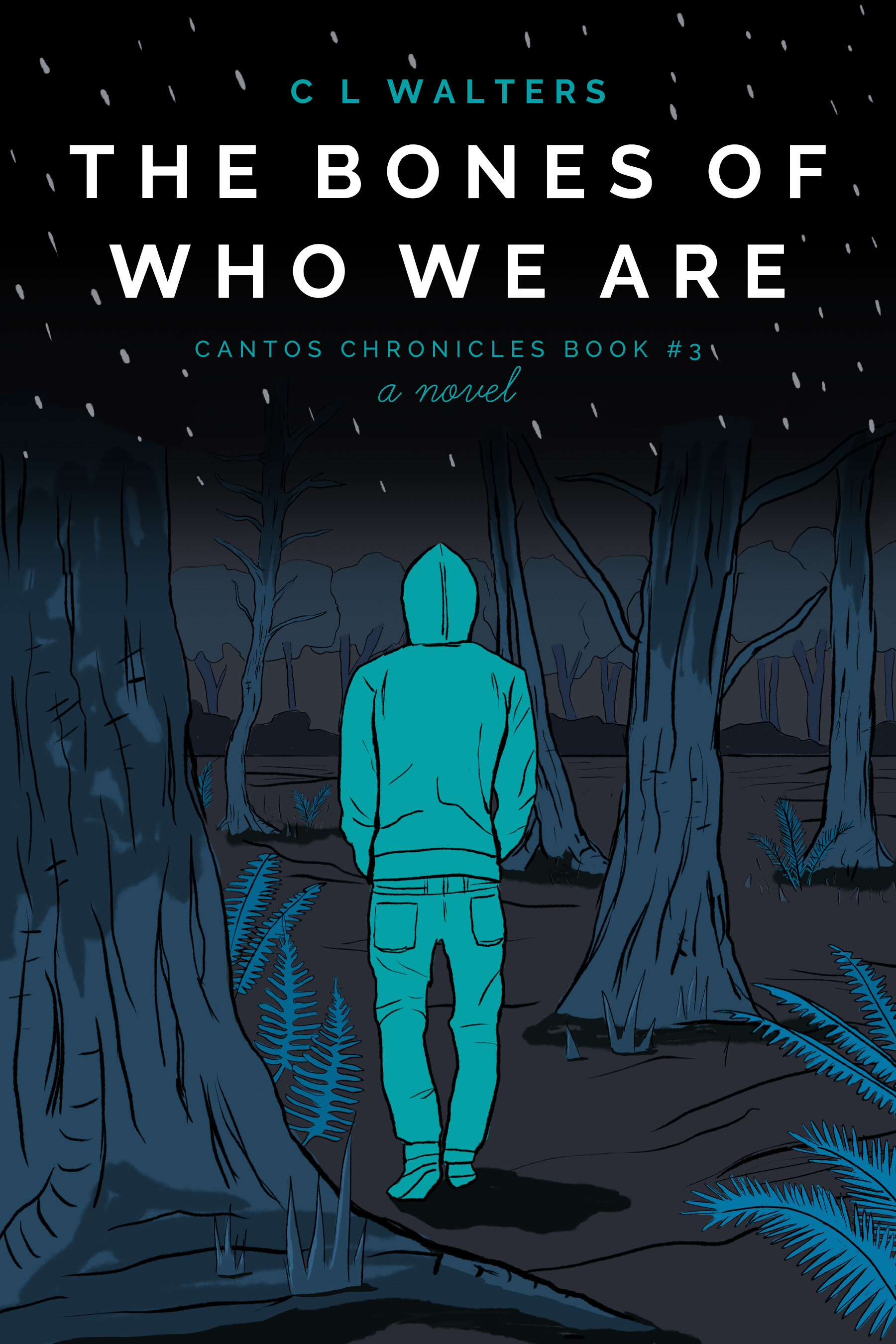
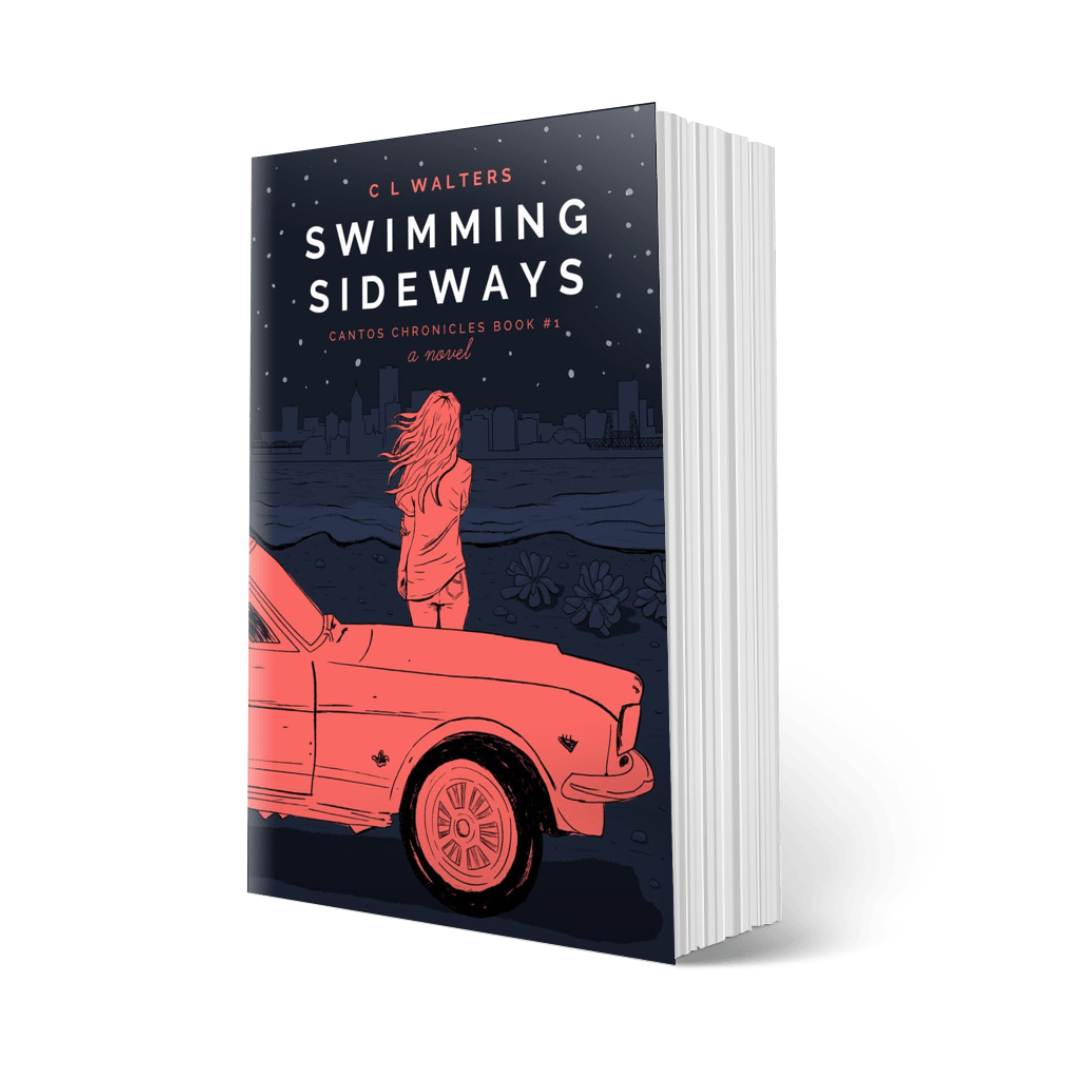
Remember when I told you that The Ugly Truth was written first (I thought it was going to be a stand alone novel even after the initial idea of it being a trilogy)? I rewrote that book and couldn’t get the ending to work; I just thought it was because I was a terrible writer and the ending stunk. About two years later, the other two characters (Abby and Gabe) began talking to me. It dawned on me that I needed to write their stories too. I remember thinking that they would be stand alone novels like The Ugly Truth, companions to one another, except then as I finished Abby’s story, Swimming Sideways, and it ended with a cliffhanger, it was like one of those flashes in a movie where everything clicks into place. I knew why the end to Seth’s story wasn’t working and I knew how to fix it! I hadn’t written stand alone novels; The Cantos Chronicles was a series. It’s just that it didn’t fit within my preconceived idea about what I understood about series and stand alone novels.
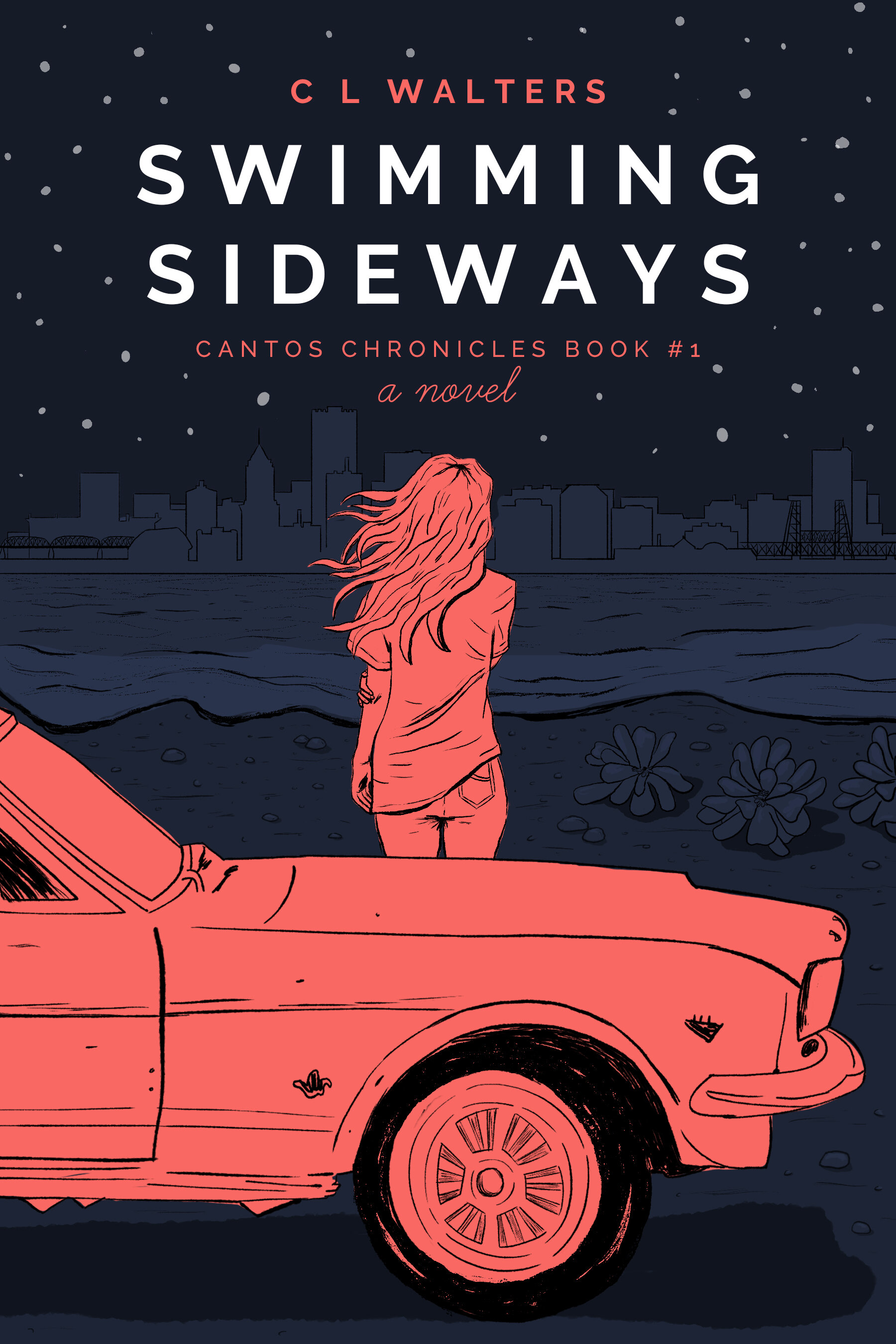
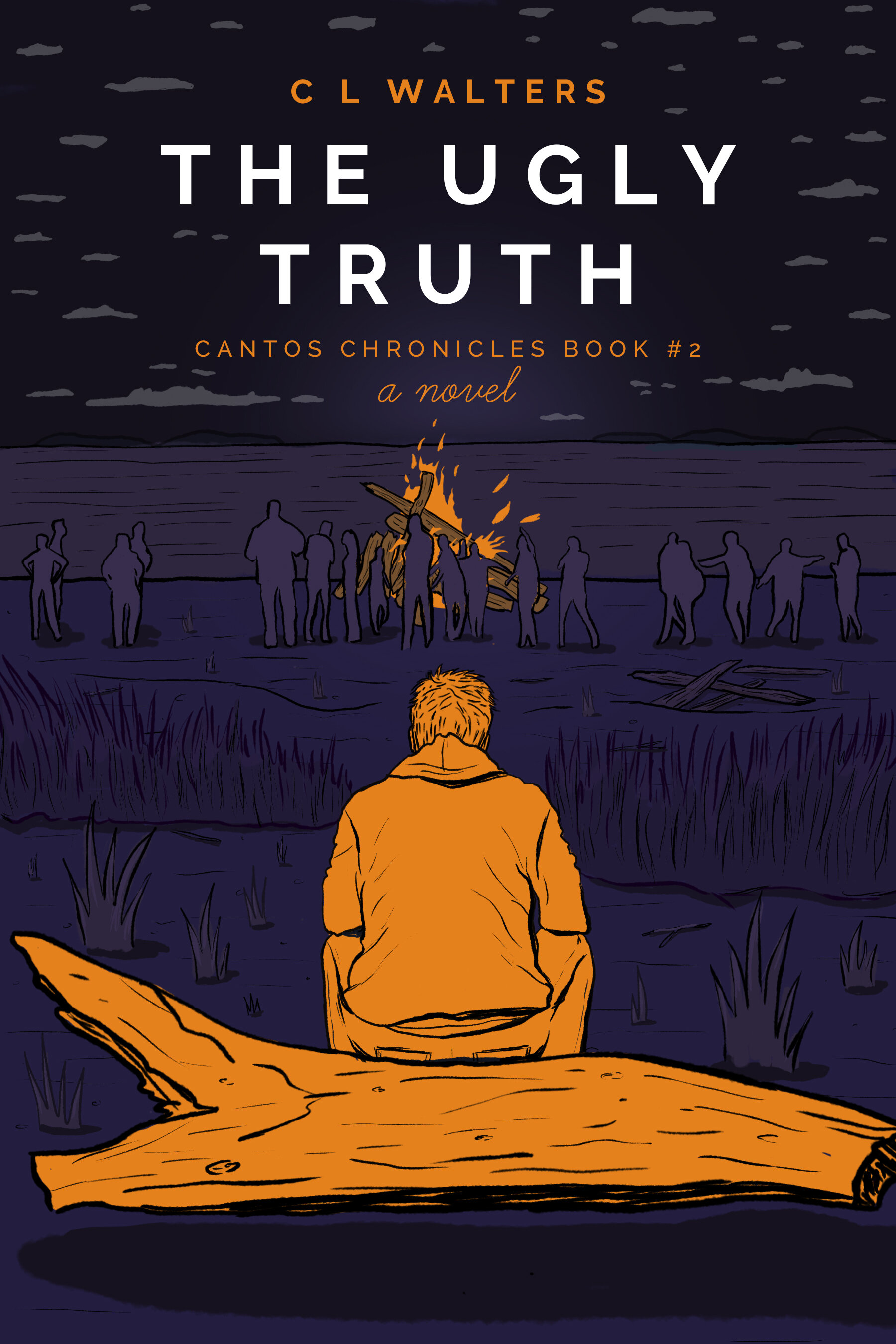
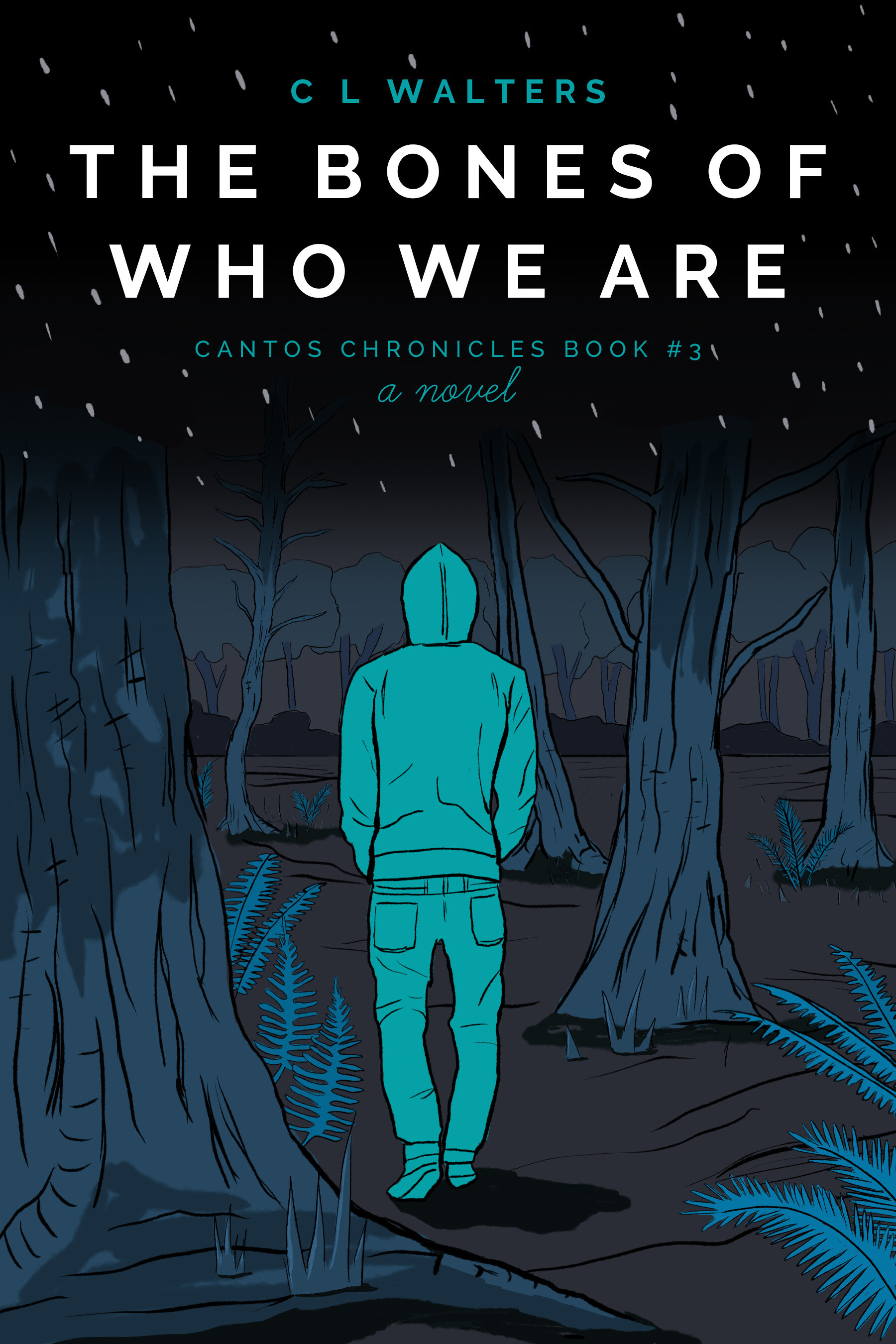
I was a greener writer then (even if I’d been writing for years), I didn’t know what to look for initially to determine if I was writing a stand alone or series. Since I was writing YA Contemporary, I didn’t think a trilogy was at all an option (I know better now. Just look up Jenny Han and To All the Boys I’ve Loved Before people). Now, having read a ton of YA novels both series and stand alone, and having written both a series, two stand alone novels with a third and fourth on the way, I think I have a more holistic understanding of the question. The cop-out answer still works. The story and my understanding of that narrative will dictate if I’m telling a stand alone or if I need more time and space (i.e., multiple books) to wrap the story from beginning to end.
Turns out, I’m not alone in this perspective because our visiting YA Authors have a similar view:
Piper Bee, author of Joy’s Infinite Summer Playlist summed it up nicely by reflecting that, “The main thing that helps me decide if a book should be a series is if I can finish the main plot within the inner journey or not. If the plot is bigger than the main character's struggle, as in they figure out their solution before I can finish telling the story, then I would make it a series. The solution to the inner struggles of the characters is what makes a book to me.”
Likewise, Brandann Hill-Mann author of The Hole in the World series added, “For me, it depends on where the characters want to go. After I finish the story, is there more, meaningful story to tell about them? Can I think of beats to fill it? Would it make a better adjacent short story? The Hole in the World was going to be a standalone, until it wasn’t. The third book in the series was going to be the last, and now I’m not sure.”
Julia Scott, author of The Mirror Souls and it’s follow up novel The Anahata Divide expressed that, “When I plot the overall story concept I ask myself, can this fit into one book or would it need more than one to do it justice? I knew that I would have to write a trilogy to fit in everything I wanted to for The Mirror Souls, whereas the next book I’ll be writing will be a standalone because I know it only needs one book to complete the story. Writing a series/trilogy as a debut is hard work, and writing book two is no joke - it’s hard to step into a fresh new book that has to have continuity from the previous one!”
Sophie Fahy, author of Through Her Eyes shared, “I’ve not written a series yet, I’ve begun one, but I'd say the following books to Secrets Come From Whispers are more companion novels. They’re based on characters in the first book, but stand alone. My debut had to be a stand alone because [...] the ending came to me like that [...] To be honest, I don’t think it’s a decision you consciously make, I think it depends on where the characters take you.”
But there are authors like Ally Aldridge, author of Ocean Heart , who expressed that a series is in her wheelhouse. “I’m writing a series. It suits me because I have always struggled with ending my novels, I always have more to tell. Now I’ve published book one, I feel the pressure and demand for the rest. With a series, I need each book to be so good the reader remains invested and wants to come back for more.” Or the author who feels the stand alone is what works best for her like Rayna York, author of When Life Gives You Lemons Instead of Lattes, who shared “I write standalone novels because I’d go crazy writing the same concept over and over. I already do a ridiculous amount of revisions, so when I’m done, I’m really done, and don’t want to hear the characters in my head ever again.”
Hopefully, that sheds some light on the question.
BONUS QUESTION
I asked our authors: Favorite Series and/or stand alone?
Sophie: My hands down favourite series at the moment is Amo Jones The Elite Kings Club. HANDS DOWN perfection. I like a book to be a bit dark and gritty. Because sometimes life is exactly that. When younger, The Vampire Academy by Richelle Mead made me want to become an author. It’s still one of my favourite series, but it was such a long time ago I delved into that world. Most recently All The Little Lies by Sammi Sylvis is brilliant. Stand alones are hard, there’s so many. Courtney Summers will always be my favourite author of all time. She’s the queen of YA.
Piper: Oh man. I wish I was a more prolific reader, since I do love books! Of the classics, my favorites are The Hobbit and Pride and Prejudice, and not just because they're iconic. I had true feelings when reading them. Modern books, Shadow and Bone by Leigh Bardugo was so fun, imaginative, and her writing style wowed me!
Brandann: I’m such a mood reader that I get all over the place. My answer is going to change depending on when you ask, and it could probably be different by the time this is actually posted. I adore the Kushiel’s Dart series, but this past year I also read [Maggie Steifvater’s] The Raven Cycle, which is an entirely different genre. It’s definitely one of those two. As far as standalone, I’m still hungover from Schwab’s The Invisible Life of Addie LaRue. Before that it was Morganstern’s The Night Circus. I think Moreno-Garcia’s Mexican Gothic fell in there for a time, but I was on a horror binge.
Rayna: I have a lot of favorite books, most recent are: Where the Crawdads Sing, The Painted Girls, and Nora Roberts’ last four books.
Julia: I much prefer duologies/trilogies over standalones because I love the feeling of being so invested in characters and then getting to carry on journeying with them in a second and third book. However, a few of my fave standalones are The Chaos Circus by Renee Dugan, The Dark Wood by Sydney Mann and The Host by Stephenie Meyer. Series wise it would have to be Strange the Dreamer by Laini Taylor, the ACOTAR series by Sarah J. Maas, the Starless series by Samantha Heuwagen and the Unraveled World series by Alicia Fabel.
Ally: I loved Poison Study by Maria. V. Snyder, and all the other books in that series. I usually prefer series as I get invested in characters but struggle for time to read them all. I enjoy fantasy set in the real world like Sorceress of Truth by J D Groom. A stand alone I recently enjoyed was And The Stars Were Burning Brightly by Danielle Jawando, it’s a perfect example of how YA can deal with difficult topics. Another great stand alone I just finished is a YA mythology fiction, Garden in the Sands by Ellie Mitten.
Next Week: WHAT KEEPS YOU MOTIVATED TO WRITE?
Ask the Author: Why did you choose to write YA? (Part 2)
Last week, I went ham on the question and told you my life story, but I had some amazing observations to share with you from other authors that I think were too relevant not to share. I asked the authors two questions that I thought readers would appreciate

A stack of YA category books.
Why did you select the YA/NA genre?
Sophie Fahy, author of Through Her Eyes, a YA Thriller, told me that she selected YA/NA, “Um, because I'm a sixteen in my head?” With her adorable chuckle. “I chose the YA/NA genre because when I was younger, reading these types of books with protagonists similar age to me, let me escape reality. Now, I want my books to do the same and I also want to send messages through my books that the reader somehow resonates with and to show life struggles that are tremendously overlooked.”
The author of the YA Contemporary Romance Joy’s Summer Love Playlist, Piper Bee reflected that, “YA struggles still resonate with me today. I love the potential, the uncertainty, the identity, the ambition! I find the prospect of heading into adulthood having learned something meaningful to be very satisfying.”
“I want to write stories I wish I had access to at those times in my life,” Brandann Hill-Mann, the author of the speculative fiction The Hole in the World, shared, “I write what I wish had been normalized then, and what I think more teens and younger adults need to see normalized now. Sexuality in all its forms. Different types of loving relationships. Making mistakes (and living with the consequences). Hopefully, someone will read one of my stories and feel less like the unhappy weirdo in the room, and more like the weirdo in the room who is comfortable in their own skin and not ashamed of who they are. Teens and new adults have questions, and they need to know they’re not the only ones asking them, and that they should be asking them.”
Author of the YA Contemporary When Life Gives You Lemons Instead of Lattes, Rayna York shared, “We moved a lot when I was a kid. At sixteen, there was a pivotal move that changed the course of my life. I based my first novel around it. I never published it, but have felt the most comfortable writing in that age category. My subsequent novels have been based on dreams, and since I am always a teenager in my dreams, well . . .”
Like most writers who choose a category, Ally Aldridge, author of Ocean Heart a YA Fantasy, shared that, “I have always loved reading and writing YA. I love how they are mature enough to make choices, but everything is still very new. There are many firsts still to have, and they’re also that new independence where mistakes might be made. It’s a fabulous transition age and works well with fantasy.”
Last, but definitely not least, Julia Scott, author of the New Adult dystopian thriller, Mirror Souls and it’s follow up The Anahata Divide, shared that “There’s a huge sense of adventure that comes with first stepping out into the world and navigating the trials and tribulations that come with being a young/new adult. I suppose that’s what draws me to writing about those characters. Adults come with so much baggage and preformed concepts, whereas earlier on in life there is a fresher perspective and a naivety that can get you in all sorts of trouble! That can make it fun to both read and write.”
What advice would you give new authors about what they should consider if they’ve selected the YA/NA genre?
Sophie: Don’t be scared to write dark YA/NA. You see a lot of books in this genre which are all rainbows and butterflies and to be honest, unrealistic. Teenagers are resilient. They go through life troubles like the rest of us. Some have gone through the most unimaginable things.
Piper: Remember that YA doesn't have to be a certain way. It can be sweet or gritty (or both, if that's your style)! The characters do not have to be typical young adults, and they don't have to do typical things. They also can! Focus on what makes them human and what you want for them, not on what people might say about the book or whether it "fits."
Brandann: Sometimes a plot seems ‘too mature’ at first, and we forget that teens are at that bizarre cusp of child and adulthood. The demands on them are confusing and the goal posts ever changing. We expect them to make life changing decisions while not giving them room to have the experience to make them until that magical moment of 12:01 on their 18th (or whatever age) birthday when we demand they should ‘act like’ adults. Take risks. Remember that those years are a chaotic dance of dumb decisions and life choices fueled by hormones and still-developing brains. Let them be immature. Let them be unlikeable. Let them make really big mistakes so they can show that the consequences are not the end of the world. Let them have to make choices adults feel are too adult to make.
Rayna: I have heard that 40-60% of young adult books are read by adults. Just like with animated movies, it’s okay to have an adult component in YA books. But it’s important to determine the line between YA and NA when writing so it’s age appropriate. But as the authors have mentioned above, young adults deal with tough, real life issues--ugly situations that scar. But do they want to read about it in a book or do they want to escape into something more pleasant? I wonder. Maybe a little bit of both. Regardless, any writer has to find their niche, write what they know or can relate too.
Ally: Writing a novel is a big commitment, it’s a marathon, not a sprint. Write whatever you enjoy writing. Worry about what genre it is when it’s finished. Write the novel for yourself first and have fun writing it.
Julia: Try to look back and remember how you felt as a young or new adult, and the issues that concerned you most, rather than what is already out there in the mainstream YA arena. Better yet, speak to actual young or new adults to see what they deal with in life and their biggest issues! It’s always refreshing to read YA/NA fiction that is more realistic rather than fiction that writes what they *think* YA/NA should be.
I hope these last two blog posts have been helpful in exploring this question! As always, comment if you have thoughts, reflections or questions. Or visit us all on Instagram. I know each of these authors welcome authentic engagement!

Next week’s Question: How do you choose between writing a series or a stand alone?
Ask the Author: Why did you choose to write YA?
Beverly Cleary (of Ramona the Pest greatness) said, “If you don’t see the book you want to read on the shelf, write it.” As an avid reader, I read across genres and categories, and like all authors, probably took a bunch of paths to finally find my place as a writer. Before I get to my answer of the question, I think it’s a good idea to have a common framework so that we’re all speaking the same language.
“If you don’t see the book you want to read on the shelf, write it.”
Genre is defined as the categorization of artistic expression—as in literature—based on common characteristics of form, style and subject-matter; in literature this can be defined further by literary technique, tone and content. There are five primary genres in writing: Fiction, Non-fiction, Drama, Poetry and Media. These main genres are further defined into sub-genre. We’ll hang out in fiction for the sake of time and this blog’s content, but here’s a graphic if you’re interested:

Fiction sub-genres have been defined into these sections: General Fiction, Fantasy, Folklore, Historical, Horror, Mystery, Romance, Science Fiction, Thriller and Western. Each of these sub-genres can be further broken down into specific categories. Take Romance, for instance. Romance has a single category “historical” but historical can also be defined further in Regency, American Western, or Inspirational. The age for which one writes, adult, new adult, young adult, and children are categories of each sub-genre.
Why does it matter? This is how agents decide how to sell the work to a publisher. This is how publishers know how to market and publicize. This is how bookstores know where to shelve the book and this is how readers know how to find you.
Which brings me back to the question. So how did I make it to YA Contemporary? Long story, but here goes...
First, fiction has always been my favorite thing though I also write a lot of poetry. Nonfiction has been written only because I had to do it and I taught writing essays for MANY years. Wrote lots of models—and as this blog attests—I’m not adverse to the joys of rhetoric. But my first sub-genre love affair has to be with romance since I was a sapling on a farm in Oregon. After graduating from Ramona the Pest and then reading my way through the Christopher Pike novels, I discovered the twins: Elizabeth and Jessica Wakefield of Sweet Valley High. This led me to Sunfire Romances which combined my love of history and romance, and then I graduated to romance novels by Lavyrle Spencer and Judith McNaught. Eventually, I picked up suspense novelist Tami Hoag and branched out to Stephen King and Thomas Harris. All the while, I loved romance. I decided that was my genre, because I adored the feeling of escape and falling in love over and over.
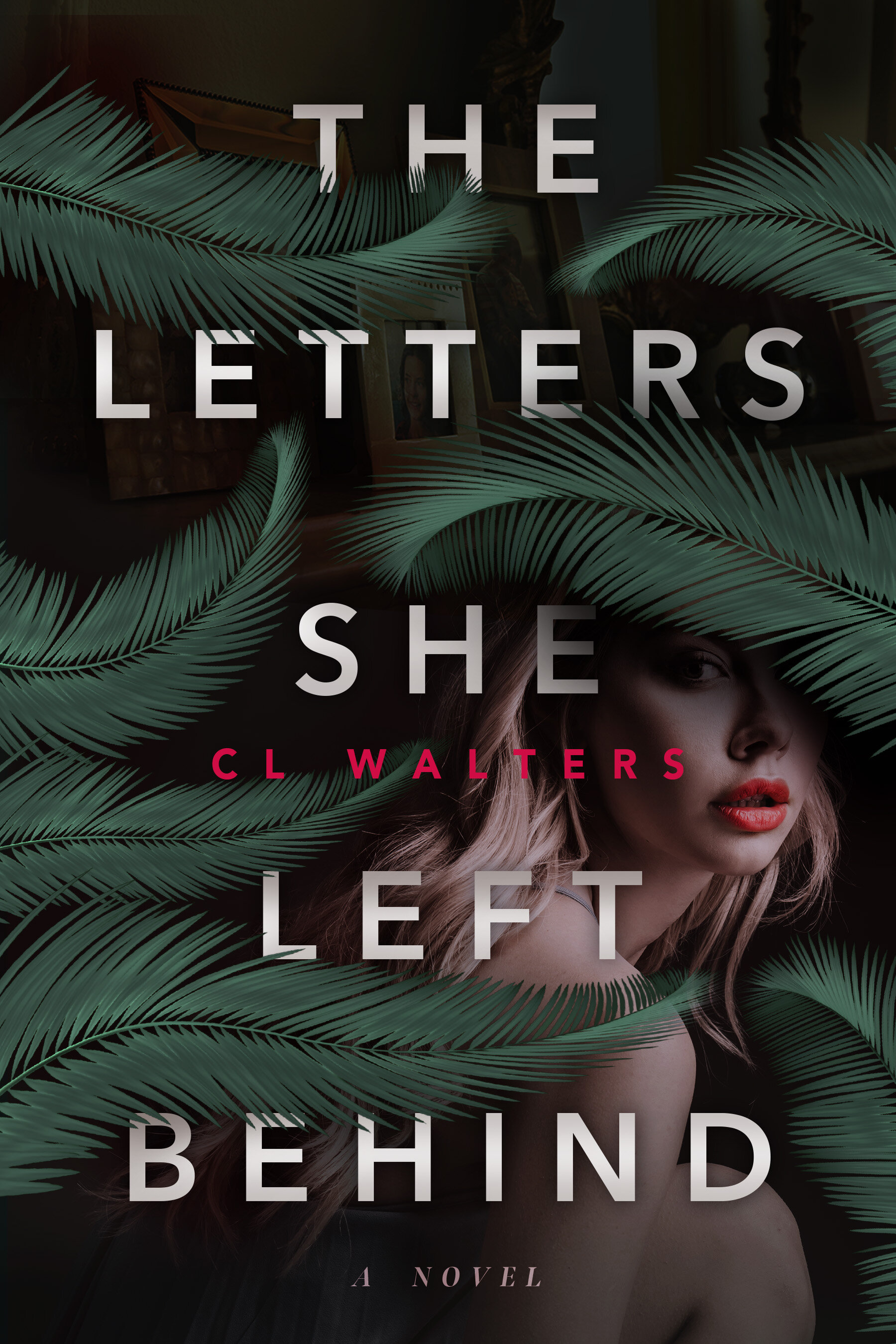
When I finished college and settled into my adultish life, I wrote my first historical romance novel. It was terrible (and so embarrassing, now) but of course, I was sure I was going to be the next big thing. Nope. Into the drawer it went. I tried again. This time, romantic suspense. I wrote two novels in this style (one of them is indie published: The Letters She Left Behind) but I wasn’t quite there yet. I began dabbling in varied genres. I wrote a contemporary adult romance as a screenplay that’s a combination Sleepless in Seattle and Serendipity (have you seen those movies?) which felt even closer to what sat right in my bones as a creator, and I can see now I was learning about character and dialogue.

By now, the YA category was beginning to explode, and as an English Literature teacher, I was always looking for books for my students. As a writer, I was working on a historical novel with a teen protagonist that crossed into speculative fiction, and because I loved fantasy, I started a YA fantasy story.

About this same time, I read Twilight by Stephanie Meyers. I enjoyed it, and like the rest of the world, was enamored with the story she created. My students and I sat during breaks and talked about it. They were on fire for a book carrying it around to classes, talking, dreaming, creating! It was everything. When I made it to Eclipse, I was annoyed (I was Team Jacob, my friends. Are you surprised?) and Breaking Dawn just made me so angry. Not disparaging Ms. Meyers (who I am sure dropped her heart and soul into these books). Love them or hate them, I would argue the Twilight Saga is critical in understanding the framework of the Young Adult category as it is today just as the Harry Potter series is to understanding the Middle Grade category and its growth into YA. But this isn’t a post about arguing for or against a specific series, but about why I chose to write YA.
Why was I upset? When I closed the book, I was disheartened by the way the characters had been relegated to props to tie up loose ends rather than fully realized characters (insert Jacob, Renesmee and imprinting here). I thought: If you’re so opinionated about it, why not write your own? And suddenly Beverly Cleary’s quote came to life. I wanted to see a different book on the shelf.
Then I sat down and wrote a copy (LOL). It was the fantasy story called Fallen about a girl named Abby who’d returned to the home of her mother and reconnected with her childhood friend Seth, but there was this mysterious outsider named Gabe who piqued her interest. Classic love triangle trope with a portal fantasy element. Gabe was a fallen angel who’d disobeyed the rules of engagement between angels and demons in the fight for souls over an ancient relic that creates portals between the worlds. Seth and Abby were connected as Earth Guardians of the portals. The first book ended with Seth being dragged into hell so Gabe sacrifices himself to go in after him. It was a mess, but it was mine. I loved it (you can read this first version on Wattpad - but fair warning, it isn’t very good :) Right as I set out to query, the market exploded with angel and demon stories. Fallen by Lauren Kate, Hush Hush by Becca Fitzpatrick, and City of Bones by Cassandra Clare (Yeah. Mine was dead on arrival).
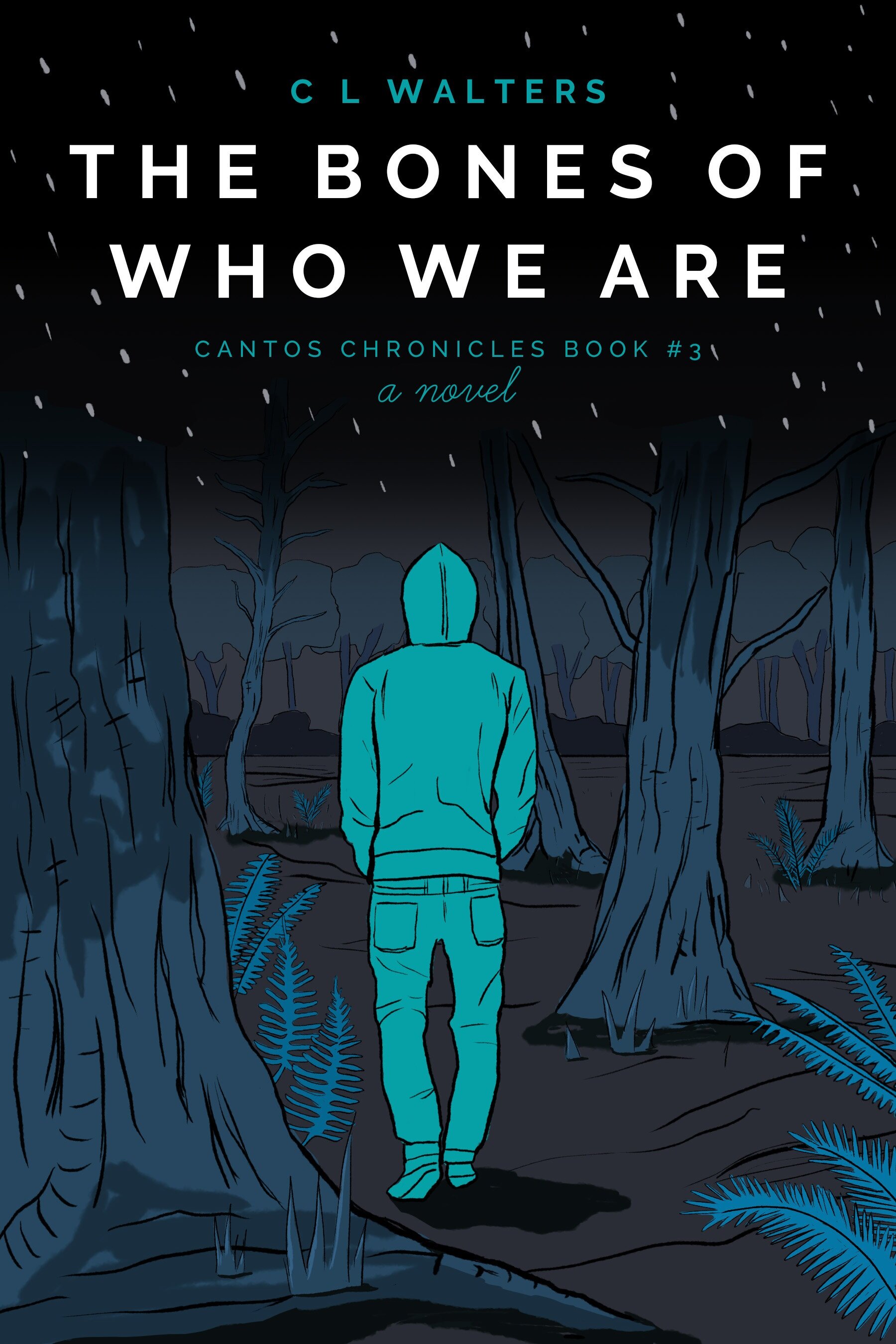
I put them away. And they sat. And you know the rest of the story, right? Seth wouldn’t stop nagging me: “You’ve left me in hell! Get me out!” He wouldn’t shut up and he was the reason I’d written the story in the first place. So I thought, stand alone. Contemporary. And The Ugly Truth was born. And then Abby’s story Swimming Sideways. And then Gabe’s in The Bones of Who We Are. Abby, Seth and Gabe were back, but developed into stories that reflected their original voices and my unique style rather than a copy. I’d stumbled into a category of fiction that just fit: edgy character-driven YA-NA contemporary fiction with romantic elements. You’d find them on the shelf with other YA-NA writers like Brigid Kemmerer, Sarah Dessen, Jeff Zentner, Jennifer Niven, Jandy Nelson, John Green . . . you get the picture.
Next Week: The second part of this answer including other YA author voices.
Ask the Author: Favorite Part of the Writing Process?
Happy New Year! It’s nice to be back. Without further ado… onto this week’s post.
A reader asked this question: What is your favorite part of the writing process?
This needs to be said right up front: WRITING IS HARD! And all of you who write (heck, create) know that up front. Who was it that said, “all you do is sit down at the typewriter and bleed” (I’m pretty sure it was Ernest Hemingway)? The bleeding—not physical because that would be disgusting—is emotional and mental and it’s harsh. Here’s a poem by Charles Bukowski called “So You Want to Be a Writer” which hits the nail on the head, so to speak.
Now that we’ve got that squared away, in order to explore the questions readers posed, I thought it would be awesome to add a few more author voices into the mix, so over the course of this Ask the Author series, you’ll be here from six other YA authors in addition to me: Brandann Hill-Mann, Sophie Fahy, Piper Bee, Julia Scott, Rayna York, and Ally Aldridge. Each of these wonderful women agreed to answer the same questions asked of me, so I’m going to add their incredible voices.
Before I answer this question: What is your favorite part of the writing process, let’s begin with a common framework.
The writing process is a cyclical series of events from the inception of a story to the sharing of it with a broader audience. These are the phases as I see them: Story idea and prewriting, drafting, rewriting, revising, editing, formatting, and publishing. This process looks more like a cycle that folds back in on itself over and over before getting to that final phase: sharing the work.
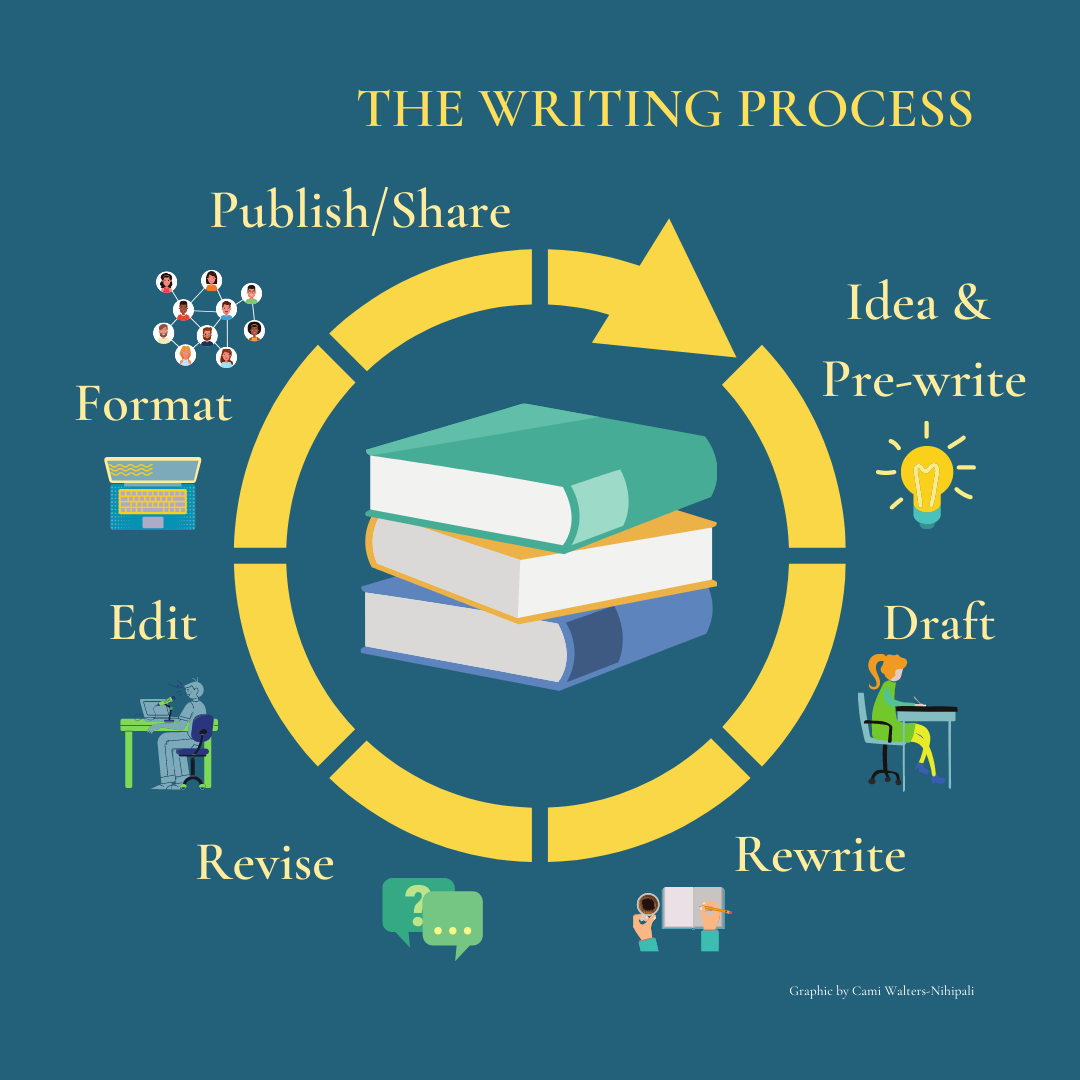
Let’s define the terms:
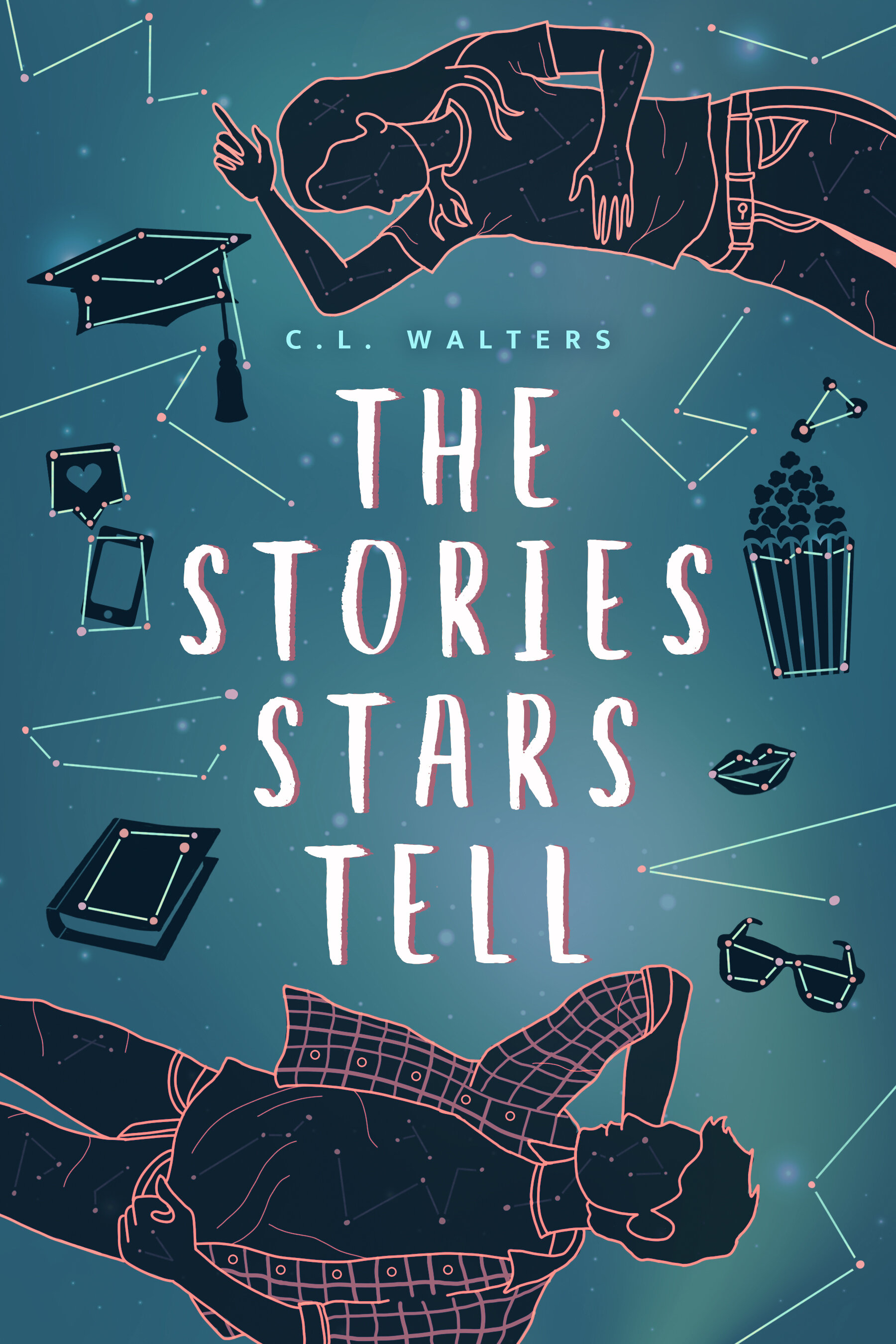
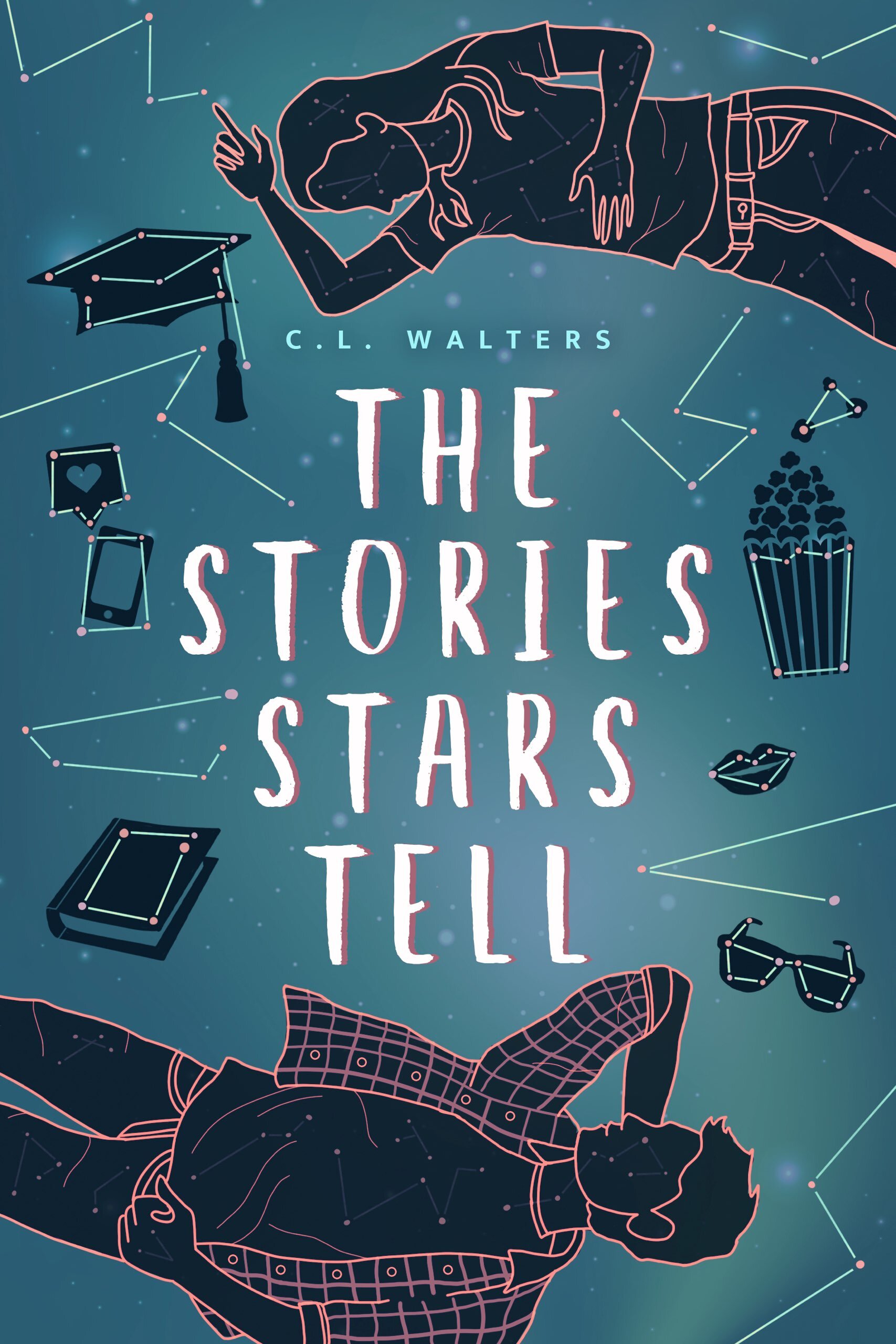
First, every book begins with an Idea & Prewriting. This is the Ah Ha moment when a story idea hits me. Maybe it’s a scene like Emma standing at her locker lusting after Tanner across the hall like in The Stories Stars Tell, or maybe it’s Seth telling me not to “leave him in hell,” over and over until I finished his story in The Ugly Truth. All of us get these little “downloads” from the universe in some shape or form whether it’s writing or another creative endeavor. That’s when the “planning,” the “pantsing” or the “plantsing” happens (I happen to adhere to a combination of approaches when prewriting).

Idea!
Seth: Cami! Do not leave me in hell. Get me out of here!
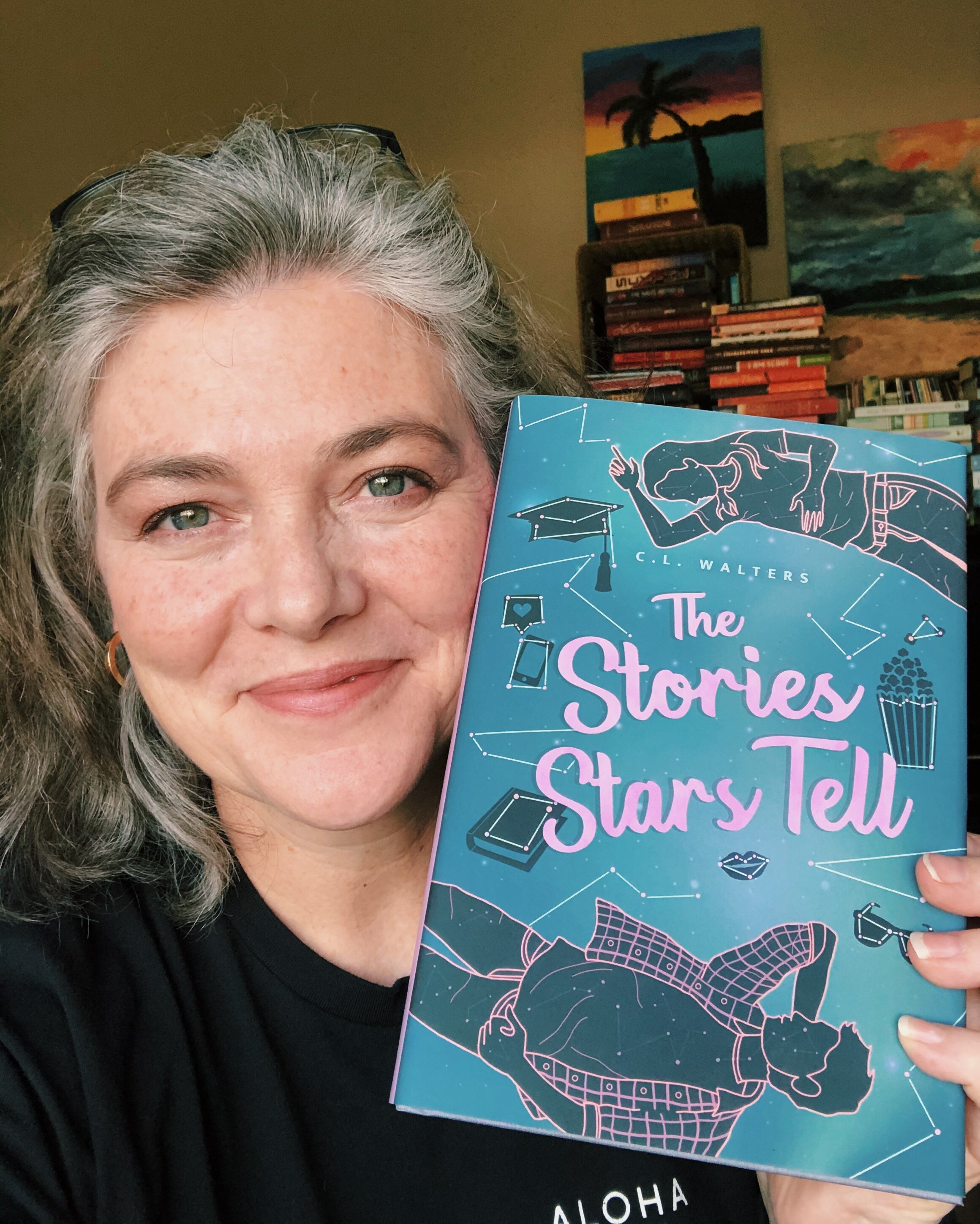
Idea!
Emma is glancing lustfully over at the school’s notorious party boy, Tanner. Why won’t she go talk to him?
Drafting is the heavy lifting of telling the story. I love how Stephen King wrote in On Writing about what a mentor told him, “When you write a story, you’re telling yourself the story…” This is drafting. The forward movement of getting the skeleton of the story on the page. Brandann Mann-Hill, author of The Hole in the World speculative fiction series, told me “Sometimes I don’t quite have the story worked out in my head—despite my best outlining efforts—until I’m drafting, so I enjoy finding out what is going to happen. I’m still telling the story to myself.” Piper Bee, author of Joy’s Summer Love Playlist added that “[Drafting is] always so fun to discover new things about my characters and to see what comes out of them when I give them room to breathe on the page.”
In many writing process explanations Rewriting and Revising might be combined, but I’m taking my own path and expressing that these are different parts of the process. After drafting, I rewrite which could be described as drafting all over again only now there’s a skeleton available with which to work. Finishing up that awesome quotation from Stephen King’s On Writing, “‘...When you rewrite, your main job is taking out all of the things that are not the story.’” The bones of the story in draft form need a lot of work, from cutting and rewriting, to new scenes for character development and plot pacing. A lot of writing happens in this stage for me. This is where an editor would “developmentally” edit a story. Sophie Fahy, author of Through Her Eyes, said that rewriting is her favorite part of the process. “I love to rewrite. The words are already on the page to play with. Delete, re-jiggle, all the best bits so easily able to put together to create a manuscript so beautiful.”
The difference for me between rewriting and Revision is subtle, but I see revision as less heavy lifting that rewriting requires. To use painting as an example, the picture is clear on the canvas, which drafting and rewriting provide. Now, it’s playing with color and shadow, adding details and reworking lines in order to make the picture pop. This is a distinct difference for me in my writing process. This is also the stage that I send out a draft for feedback. That feedback is helpful in supporting me to focus on aspects of the story I may have gone writing blind to.
Editing is the next stop in the writing process. There are different kinds of editing: developmental, line editing and copy editing. Developmental editing is what happens in the rewriting and to some extent in the revision phase. The “line editing” or working with sentence structure and word choice, happens in the revision stage, but also when I get closer to that finished draft. Finally, “copy editing,” which is fixing typos and usage errors, is when I’ve reached the point where I think the story is as close to “finished” as I can get it. All creatives know that this is a never ending cycle and a strong copy editor is invaluable. (Wait!!! A quick note: a developmental editor is also invaluable! Know the difference if you’re paying for an editor so you can articulate what kind of editorial support you want).
We’re nearing the end of this cycle after going through the loop of revision and editing repeatedly, and it’s time to format. I’m including this as part of the writing process, because as the writer (specifically the indie author because traditional authors don’t have a lot of input in this part of the process) the overall “look” of the book impacts the story. From cover to interior, these are part of the whole work, and I’d argue as much of its own process too! Julia Scott, one of our esteemed authors, is also a professional formatter wrote in Indie Writing Wisdom. “Formatting that makes your book easy to read and keeps your reader engaged in the story, rather than being distracted by the oddities in the layout, is a job well done…the readability of your words is key.”
And finally, Publication (which I’m going to include means sharing the work in anyway you share it). It’s out of your hands and into the hands of the reader. This stage of the creative process requires its own process (marketing, publicity, ect.) and I’ve written blogs about it (here’s a link if you’re interested in those), so I’m going to quietly move on. We did it! And now the cycle begins anew.
So, back to the question: What’s my favorite part of the writing process?
While I love the infatuation phase of working on a new story and celebrating the first draft, it isn’t my favorite part of the writing process. It feels like internal bleeding. I force myself to the keyboard to bleed like Hemingway suggested and it’s uncomfortable. I have to work really hard to silence the perfectionist committee in my head. So my favorite part is the REWRITE. For me, this is where the real story—the one I get to eventually share—begins to take shape. I love that feeling when it feels like separate puzzle pieces snapping together and begin to make a complete picture. It makes the drafting and the discomfort worth the effort.
There you have it. Question answered (I hope). Do you have any other questions about The Writing Process? I’d be happy to chat.
Next Week for Ask the Author: Why did you choose the genre you write?
Latest Posts




-
September 2023
- Sep 25, 2023 Tanner's Story: The Bro Code Crew Sep 25, 2023
- Sep 25, 2023 The Thanksgiving Scene: Griffin and Maxwell Sep 25, 2023
-
August 2023
- Aug 13, 2023 In the Echo of this Ghost Town: Facing Fear Aug 13, 2023
- Aug 13, 2023 In the Echo of this Ghost Town: Choices and Consequences Aug 13, 2023
- Aug 13, 2023 A Letter from Maxwell (When the Echo Answers) Aug 13, 2023
- Aug 13, 2023 A Letter from Griffin (In the Echo of this Ghost Town Aug 13, 2023
- Aug 13, 2023 In the Wait: Matt Aug 13, 2023
- Aug 13, 2023 In the Wait: Jack Aug 13, 2023
- Aug 13, 2023 In the Wait: Carter Aug 13, 2023
- Aug 13, 2023 In the Wait: Sara Aug 13, 2023
- Aug 13, 2023 In the Wait: Gabe Aug 13, 2023
- Aug 13, 2023 In the Wait: Abby Aug 13, 2023
- Aug 13, 2023 A Letter from Gabe (The Bones of Who We Are) Aug 13, 2023
- Aug 13, 2023 A Letter from Seth (The Ugly Truth) Aug 13, 2023
- Aug 13, 2023 A Letter from Abby (Swimming Sideways) Aug 13, 2023