Chapter 1: Foundations
IN THIS LESSON
Rich characters are the way to a reader’s heart.
A good story needs a plot, but if the reader doesn’t identify with the main character, the story is dead in the water. This lesson will define character, a few character archetypes, and provide an application tool to help your develop your own character.

CHARACTER DEFINED
Characters are the people, animals, or beings that engage in the action of a story to move the plot forward. Characters make choices, commit to action, and engage in dialogue all of which propel forward movement and interest an audience. Stories can exist with a single character or a multitude of them depending on an author’s need and purpose. There are various kinds of characters, all of which are important to the story depending on its narrative structure, most who will fulfill what is called a character archetype, or a character blueprint that holds universally recognizable characteristics and behavior patterns. There are many different kinds of character archetypes.
Archetypes:
The Everyman
A character that represents the common person. They are authentic, down-to-earth and utterly normal. This character allows the reader to see themselves represented in the story, allowing the character and reader to become interchangeable. But this character also has flaws like normal people, and might struggle to see themselves or their community accurately due to blind spots. A good example of the everyman is Dr. Watson from The Adventures of Sherlock Holmes or Jim Halpert from The Office..
The Lover
The great romantic, this character is in love with the idea of love, they are on the hunt for deep connections and the transformative power of love. While this is noble, this character can lose themselves and sacrifice those around them in the chase of their desire. These characters are found throughout literature, but one example is Romeo from Shakespeare’s Tragedy of Romeo and Juliet.
The Ruler
The authority figure in a story who brings order to the world. They are natural born leaders whom others follow. In a contemporary story this could be the father-figure while in a fantasy it could be the king of the land. While this character offers order, a possibility for abuse of power and other flaws like envy, greed, and self-protection might override their nobler characteristics. Cersei Lannister from Game of Thrones is a great example of this archetype. Another is President Snow from Hunger Games.
The Villain
An integral character serving an important function as the opposing force. They embody the darker elements of human nature and exuding flaws readers might see in themselves for complexity. A strong villain must have complex and relatable motives for their actions, even if they are morally corrupt. A strong example of a villain is the Mastermind in Sherlock Holmes or The Master in Doctor Who. Star Wars’ Darth Vader is considered a powerful villain which is reflected in the whole character arc of the story.
The Hero
A mainstay in literature. This is the character who represents the best in humanity embodying courage, integrity, and loyalty. This character however can often demand too much from themselves and have high expectations for those around them. A danger when writing a hero is sliding into a cliche and losing their impact as a strong character. Examples of the hero archetype are Luke Skywalker from Star Wars and Katniss Everdeen from Hunger Games.
The Magician
A character with great power, wisdom, and knowledge. Also known as the wizard, this character may embody the supernatural, but that isn’t a prerequisite. While they have this uncanny greater ability, their weakness can be their arrogance or inability to recognize their own fallibility. An example of this character is Dumbledore in the Harry Potter series, Sherlock in Sherlock Holmes, and Gandalf in Lord of the Rings.
The Sage
On a quest for knowledge and hungry to learn, this character’s focus is acquiring wisdom but this can be at a cost to experience. This character will overthink and can become stuck in their ability to act over contemplation instead. This archetype is often interchanged with the magician, but it is important to understand a distinction between the two. Whereas a sage is wise and can serve as a mentor this character is more willing to watch the action around them, maybe pushing the main character into the fray whereas a magician will actively engage in some capacity. Finding an example of this kind of archetype is tricky as most will put it in the mentor or magician category (and a sage can also be either), but a true sage might be like the initial presentation of Robin Swift in R.F. Kuang’s Babel or young Neville in Harry Potter.
The Innocent
A dreamer embodying the purity and kindness we long to see in the world around us because this character believes in the goodness of the world. They are often unaffected by tragedy and the difficulties of life. This creates an interesting contrast with innocence and other traits, but this character is often blind to the reality of the world which can lead to their actual or symbolic demise. An effective innocent is reflected in Scout Finch from To Kill a Mockingbird.
The Mentor
Often a secondary character, the mentor is an integral figure in the story serving as the impetus for the main character’s journey. They are usually older, wiser, and have a specific skill set that gives them credibility. One example of the mentor already mentioned in the magician category is Gandalf, but consider in contrast his role in The Hobbit with Bilbo as opposed to his role with Frodo in Lord of the Rings.
The Trickster
A lovable character that is neither good nor evil but instead relies on their wits and cunning to overcome odds, often in conflict with the majority. In origin stories, tricksters present as animals like ravens, monkeys, or rats. In modern tales, our trickster has become the antihero, or the character who resentfully becomes invested in the outcome of something beyond themselves and must reevaluate their position, propelling them toward heroism. Modern examples of this character are Loki, Deadpool, and Harley Quinn.
For more development using archetypes see: Chapter 3, Planning: Archetypes in Action.
APPLICATION:
Do you have a sense of your character’s archetype?
Meet the Cast of Characters
-
The Protagonist
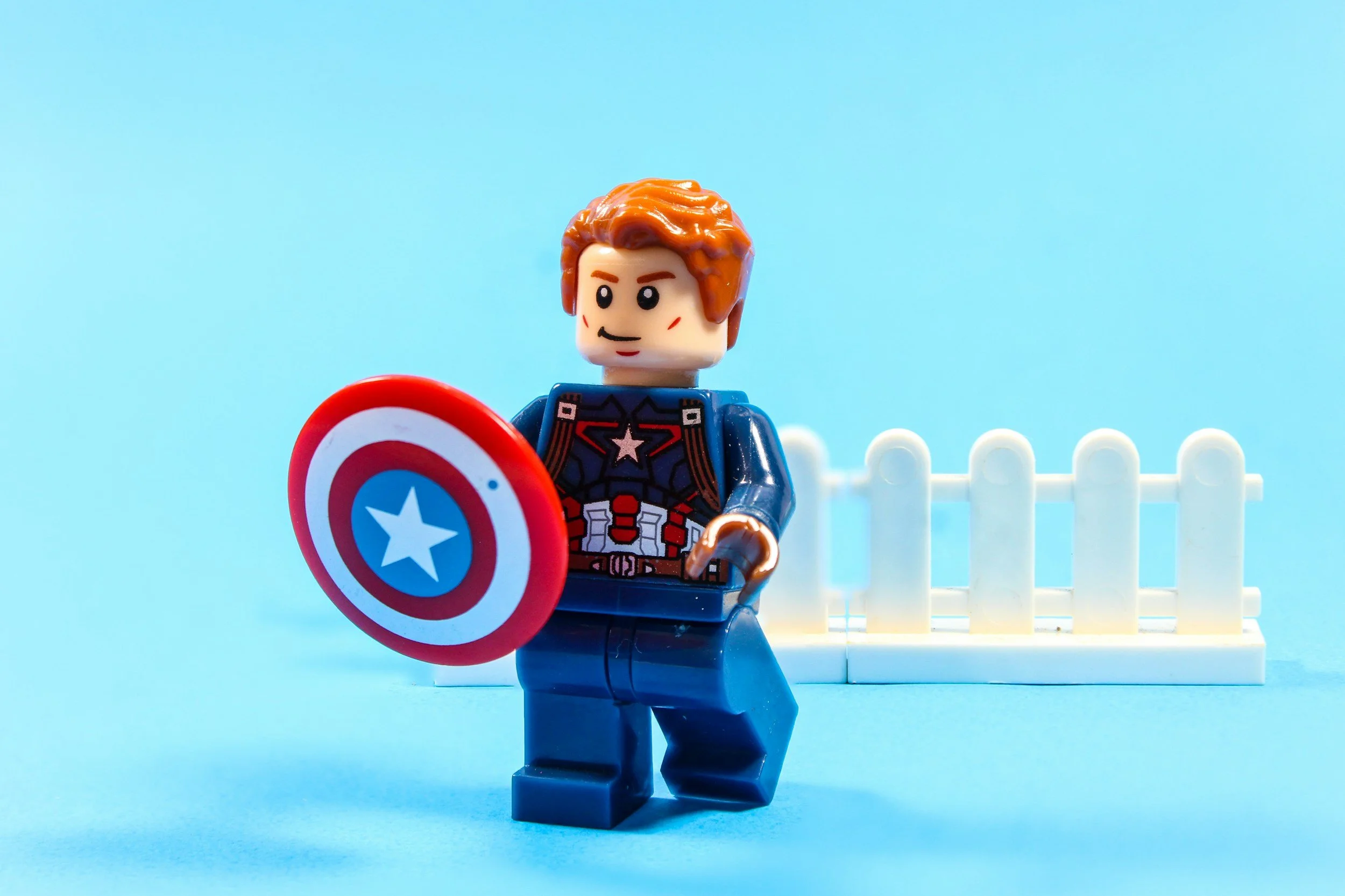
The protagonist is the central figure on which the story’s forward movement hinges. While the term “hero” might be used to describe this character, this does not mean the character aligns with the hero archetype. Protagonists can be any of the archetypes. The most important thing to remember is that the protagonist, no matter their archetype, is the story’s main character.
-

The Antagonist
The antagonist is the primary opposing force to the protagonist’s motives. For example, a protagonist might want to turn on a super computer’s countdown to self destruction that will destroy a city filled with zombies. The antagonist, however, has created these zombies to kill an indestructible virus. These conflicting motives are what create the opposing force. While this character is often referred to as the “villain,” this does not mean the character aligns with the villain archetype. Antagonists can be any of the archetypes.
-
Secondary Characters
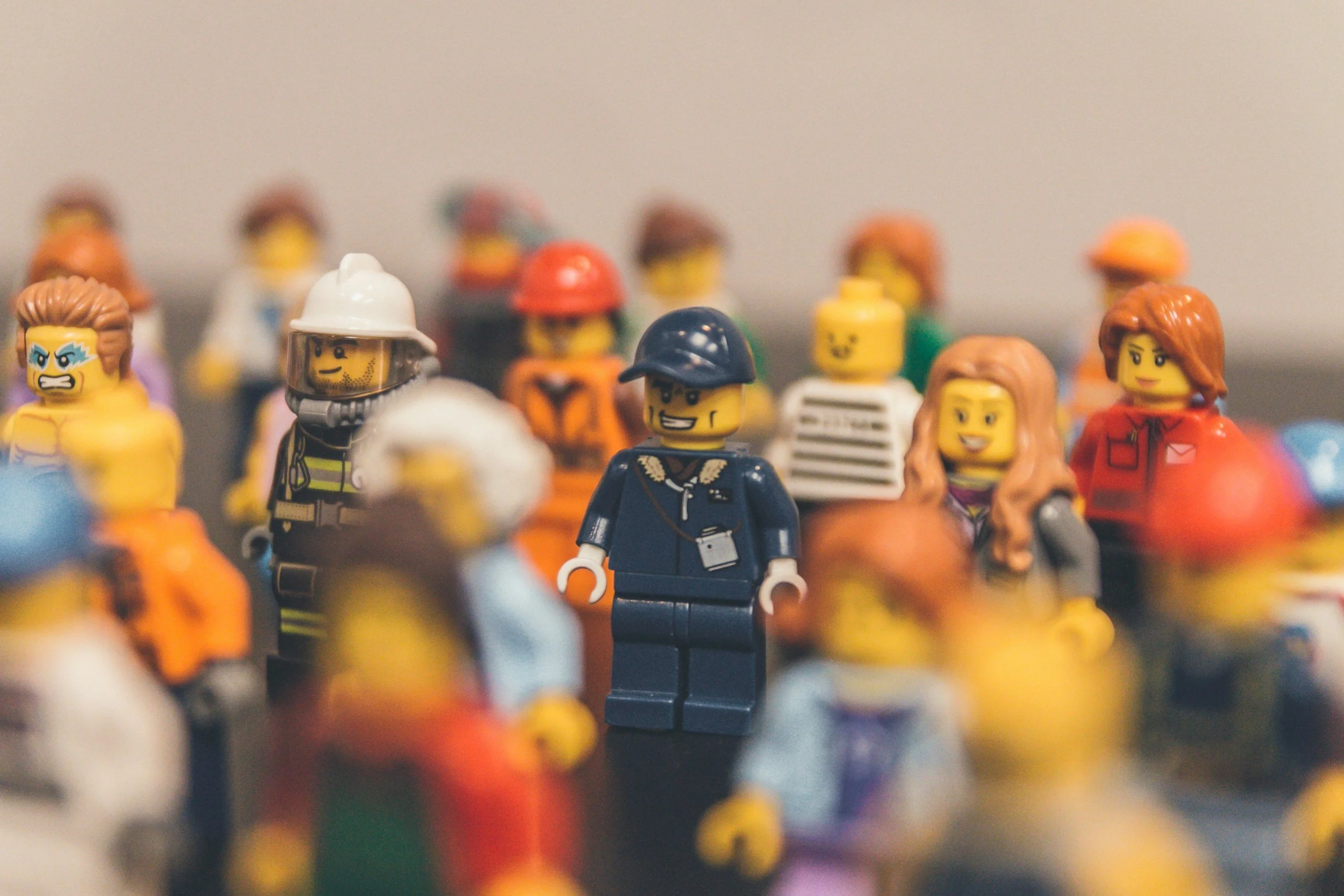
Secondary characters are characters who engage with the protagonist either challenging our main character to act or reflect thereby pushing the plot forward. These characters are the lovable sidekick, the annoying boss, the hardened bodyguard. They can embody any of the character archetypes (and often do) becoming as well-loved as a protagonist. (i.e., Han Solo, Hermione Granger, Peeta Mellark, etc). An important thing to remember when writing, if a secondary character isn’t involved in either supporting or actively opposing the protagonist’s journey, their role might be extraneous and unnecessary. Secondary characters should be working just as hard as the protagonist and the antagonist.
-
Tertiary Characters
There are also tertiary characters. These characters tend to be placeholders for quick dialogue or exchanges in scenes like “ the cashier at the coffee shop” or “the administrative assistant” who held the door open. They may support character development of our main character by way of helping to reveal character, but on the whole, tertiary characters generally don’t add to or take away from the overall narrative.
Character Arc Defined
Most main characters showcase a character arc. In a nutshell this is the internal change a character goes from the beginning to the end of the story. There are four kinds of arcs which we will look at more closely in an advanced lesson, but for the sake of understanding there is the growth arc (the character change demonstrates moral growth), the fall arc (the character change demonstrates moral regression), the transformation arc (the character grown demonstrates complete change), and the flat arc (the character doesn’t demonstrate any growth). Each serves its own narrative purpose.
-
Creating developed characters comes down to truly understanding who they are, their motives, and their greatest want.